





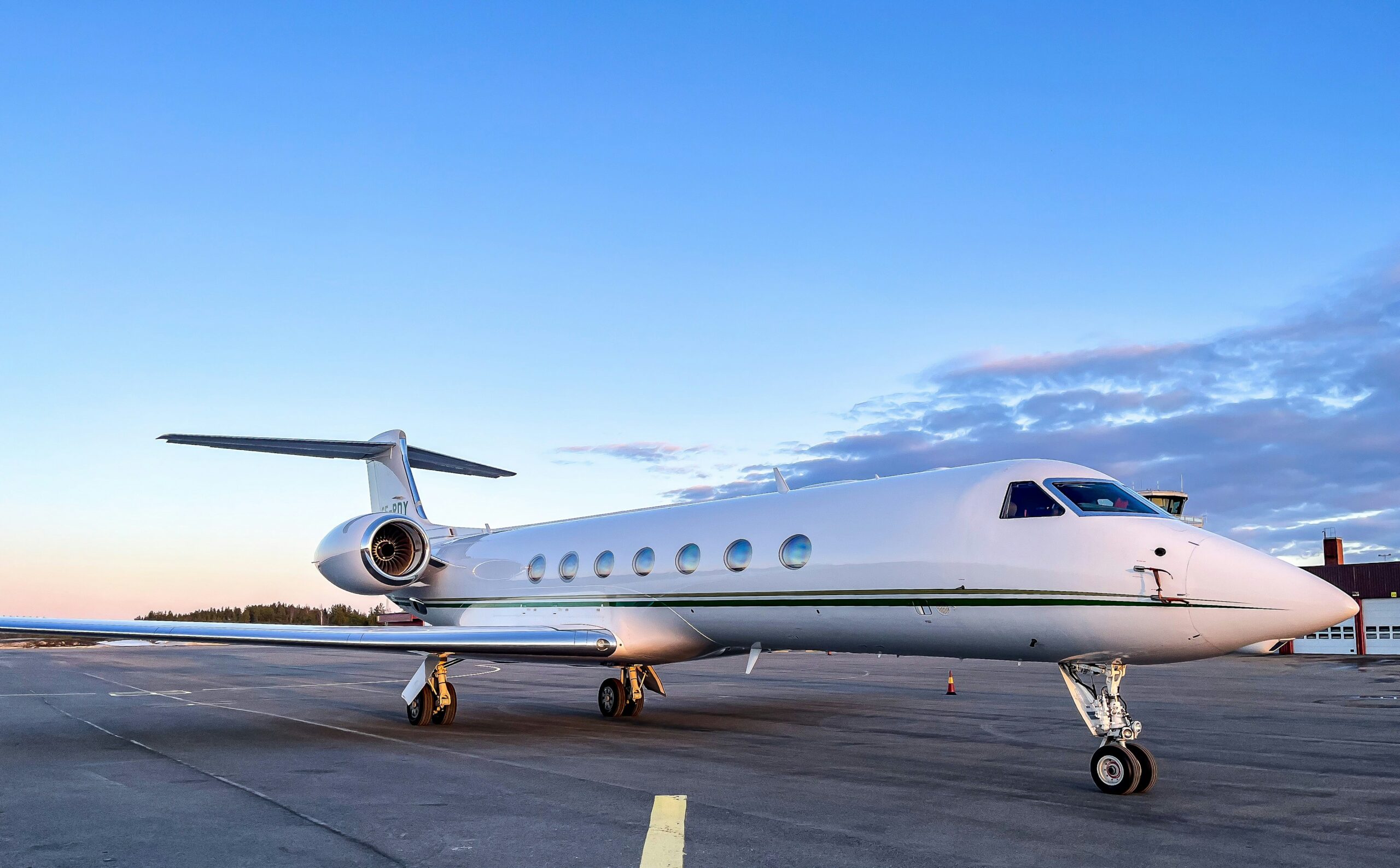
When speaking with clients for the first time, one question comes up more often than almost any other:
“How safe are private jets?”
At Zadra Aviation Charter, we completely understand why. For many travelers, booking a private jet is a new experience, and naturally, safety is their highest priority. The good news is that private jet safety is built on strict international regulations, highly trained flight crews, and meticulous aircraft maintenance.
In this guide, we’ll explain how private aviation maintains exceptional safety standards and why millions of passengers choose to fly privately every year with complete confidence.
Why Private Jet Safety Is a Top Priority
Safety is never optional in aviation.
Whether you fly commercially or privately, every aircraft must meet strict regulations before taking off.
Private jet operators invest heavily in:
- Aircraft maintenance
- Pilot training
- Safety management systems
- Operational oversight
- Weather monitoring
- Flight planning
As a result, every flight is carefully prepared long before passengers arrive at the airport.
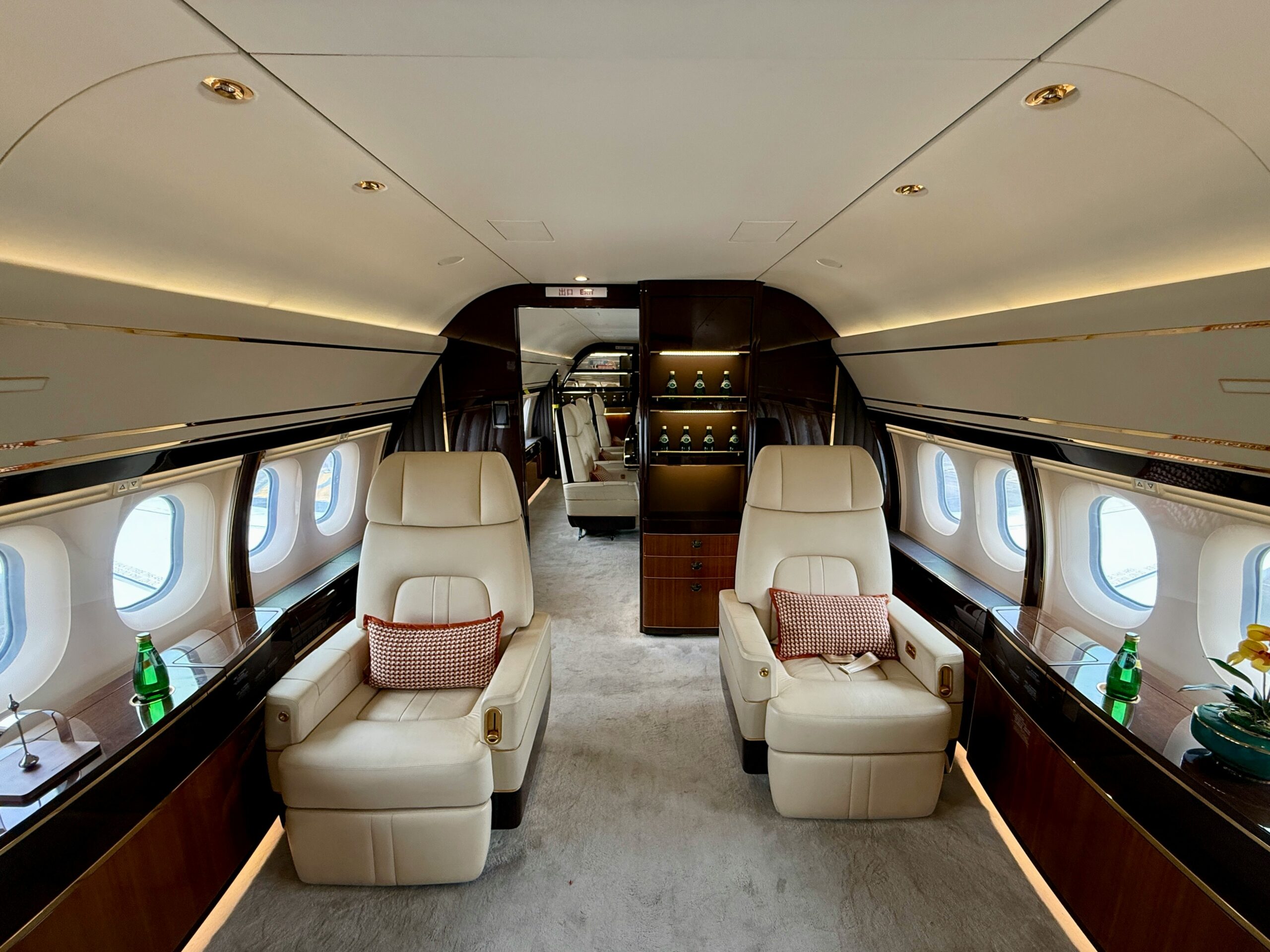
Are Private Jets Safe?
The short answer is yes.
Modern private jets operate under strict aviation regulations established by national and international aviation authorities.
Every flight follows detailed operational procedures that include:
- Pre-flight inspections
- Aircraft performance calculations
- Weather analysis
- Route planning
- Weight and balance calculations
Therefore, private aviation is far more than simply boarding a luxurious aircraft. Behind every flight is an experienced team working together to ensure maximum safety.
Highly Trained Pilots Make the Difference
One of the biggest factors contributing to private jet safety is the crew.
Professional private jet pilots undergo continuous training throughout their careers.
This includes:
- Regular simulator sessions
- Emergency procedure training
- Aircraft-specific certifications
- Medical examinations
- Recurrent proficiency checks
Consequently, pilots remain prepared for a wide range of situations, even though serious emergencies are extremely rare.
Aircraft Maintenance Never Stops
Private jets follow strict maintenance schedules throughout their operational life.
Unlike a car, aircraft maintenance is based not only on age but also on flight hours and operating cycles.
Technicians regularly inspect:
- Engines
- Flight controls
- Landing gear
- Navigation systems
- Hydraulic systems
- Cabin equipment
If an aircraft does not meet every required safety standard, it simply does not fly.
 Advanced Technology Enhances Safety
 Advanced Technology Enhances Safety
Today’s private jets feature sophisticated technology designed to support pilots during every phase of flight.
Modern systems include:
- Terrain awareness systems
- Weather radar
- Collision avoidance systems
- Advanced navigation equipment
- Autopilot technology
These technologies provide additional layers of protection while supporting safe decision-making throughout the journey.
Weather Planning Is Carefully Managed
Weather is one of the most important factors in aviation.
Before every departure, flight crews review:
- Weather forecasts
- Wind conditions
- Thunderstorm activity
- Airport conditions
- Alternate airports
If conditions are unsuitable, the departure time or route may be adjusted.
At Zadra Aviation Charter, safety will always take priority over maintaining a schedule.
Why Private Aviation Can Be Less Stressful
Flying privately also reduces many of the stresses associated with commercial travel.
Passengers benefit from:
- Private terminals (FBOs)
- Minimal waiting times
- Flexible departure schedules
- Less crowded environments
- Personalized service
This creates a calmer and more comfortable travel experience while maintaining the highest operational standards.
How Zadra Aviation Charter Prioritizes Safety
At Zadra Aviation Charter, we know that every journey begins with trust.
That is why we work exclusively with carefully selected operators who maintain high safety standards and comply with all applicable aviation regulations.
When arranging your flight, we carefully consider:
- Aircraft suitability
- Operator quality
- Crew experience
- Airport infrastructure
- Operational safety
Our goal is simple: to provide every client with a safe, reliable, and seamless private aviation experience from departure to arrival.
Common Myths About Private Jet Safety
Myth 1: Private jets are less safe than airlines.
This is false.
Private aviation follows strict regulatory requirements and aircraft maintenance standards.
Myth 2: Smaller aircraft are more dangerous.
Not true.
Aircraft size does not determine safety. Proper maintenance, experienced crews, and operational procedures are what matter most.
Myth 3: Private jets skip safety checks.
Absolutely not.
Every private flight follows mandatory safety procedures before departure.
Tips for First-Time Private Flyers
If this is your first private flight, there are several simple ways to make your experience even smoother.
We recommend:
- Choosing a reputable charter company
- Asking questions about your aircraft
- Arriving 15–30 minutes before departure
- Following crew instructions
- Packing according to luggage recommendations
Our team is always happy to answer any questions before your flight so you can travel with complete confidence.
Final Thoughts
Private jet safety is the result of strict regulations, experienced professionals, advanced technology, and continuous aircraft maintenance.
While private aviation offers luxury and convenience, safety remains the foundation of every flight.
At Zadra Aviation Charter, we believe that peace of mind is just as important as comfort. Whether you’re flying for business or leisure, our experienced team is here to help you choose the right aircraft and ensure every detail of your journey is handled with the highest level of professionalism.
If you’re considering your first private jet flight, we’d be delighted to guide you through the process and answer any questions you may have.
FAQ
Are private jets safer than commercial airlines?
Both private aviation and commercial airlines operate under strict safety regulations. Safety depends on proper maintenance, experienced crews, and compliance with aviation standards.
How often are private jets inspected?
Private jets undergo regular inspections based on flight hours, operating cycles, and manufacturer requirements.
Do private jet pilots receive special training?
Yes. Private jet pilots complete recurrent simulator training, medical examinations, and aircraft-specific certifications throughout their careers.
Can weather affect private jet flights?
Yes. Safety always comes first. If weather conditions are unsuitable, departure times or flight routes may be adjusted.
Is it safe to fly on a private jet for the first time?
Absolutely. Flying privately is a safe and comfortable experience, especially when booking through an experienced charter company like Zadra Aviation Charter.
Internal Links
- First-Class vs Private Jet Charter: Main Differences
- What is the Difference Between Charter Flights and Scheduled Flights?
- What is Private Jet Service? A Beginner’s Guide to How It Works and Its Advantages
- What Is an FBO and Why It Matters for Your Private Jet Journey
- How Much Does a Private Jet Cost? Full Breakdown by Jet Type, Distance & Usage
- Private Jet Types Explained: Light, Midsize, Super-Midsize & Heavy Jets
- Private Jet Charter vs Fractional Ownership vs Membership
- Empty Leg Flights Explained: How to Fly Private for Less
- What Is It Like to Fly Private? Full Experience Guide
- Aircraft Range Explained: How Far Can Private Jets Fly
- How to Book a Private Jet: Step-by-Step Guide for First-Time Flyers


 A Swiss-Based Company