





Yes. The airport supports all categories of private aircraft and offers efficient infrastructure for business aviation.
Private Jet to/from Kazan International Airport (KZN)
Zero compromise. Absolute precision. Cost effective.

our services
Kazan International Airport functions as a regional gateway between European and Asian air traffic corridors. For private jet operations, it combines strong physical infrastructure with a regulatory environment that requires advanced coordination. Flying privately to Kazan is less about aircraft capability and more about aligning permits, routing, and documentation with current operational frameworks. Our aviation specialists at Zadra structure each flight around these variables, ensuring that timing and compliance are managed from the outset. In practice, Kazan rewards preparation over flexibility.

Airport overview
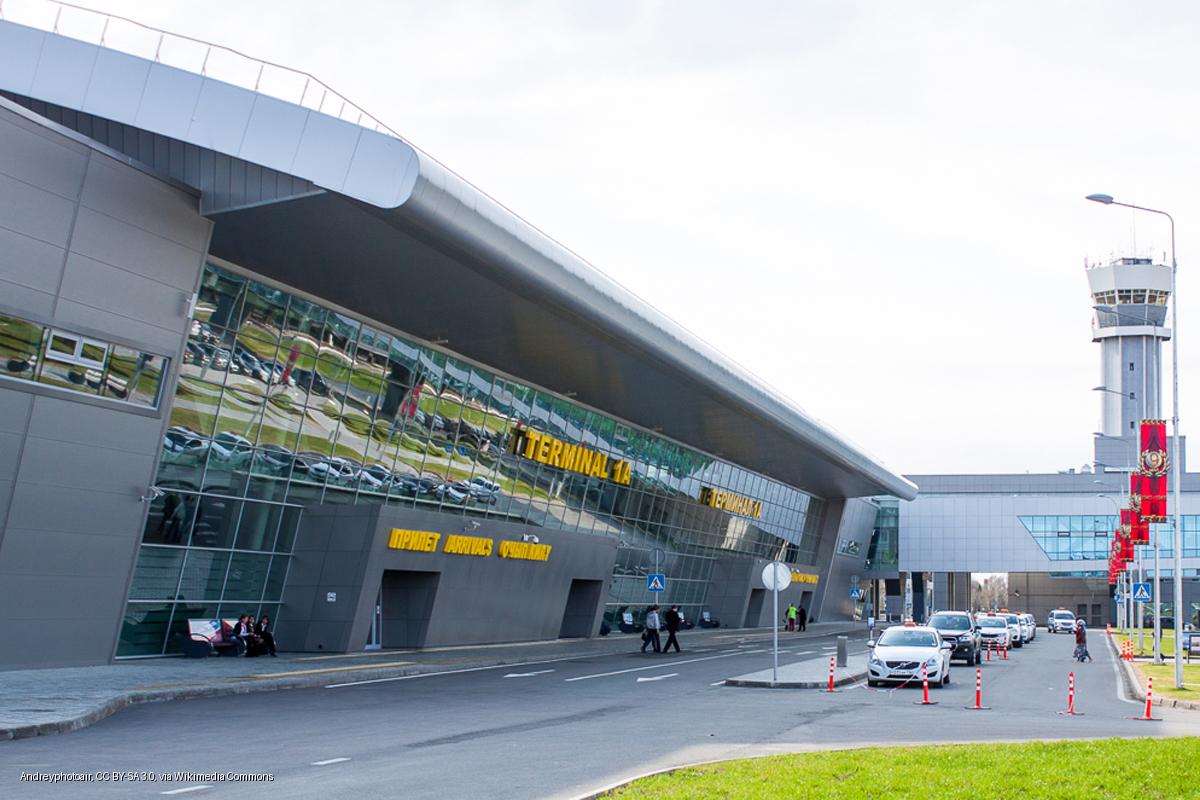
Kazan International Airport sits southeast of the city and serves as a primary aviation hub within the Republic of Tatarstan, with infrastructure supporting a mix of domestic routes, international connections, and business aviation activity. Compared to major European hubs, the airport operates with lower traffic intensity, which simplifies ground movement and reduces delays, though this advantage is balanced by a more controlled regulatory environment for international operations. The airport is designed to handle modern aircraft types, with facilities that support both passenger and cargo movements, and operational efficiency is generally high once all approvals are secured.
General facts about Kazan International Airport (KZN)
| Fact | Details |
|---|---|
| ICAO Code | UWKD |
| IATA Code | KZN |
| Location | Kazan, Russia |
| Distance to City Centre | ~25 km |
| Airport Type | International |
| Runways | 2 |
| Longest Runway | ~3,724 m |
| Slot Requirement | Coordination required |
| Traffic Profile | Moderate |
Private Aviation at Kazan International Airport (KZN)

Dedicated FBOs
Kazan Airport Handling manages business aviation services at the airport, offering access to dedicated VIP processing areas. The handling model is centralised, meaning all services are integrated within the airport’s operational structure rather than being distributed across multiple independent FBOs. Available services include passenger reception and processing in VIP areas, aircraft servicing and fueling, coordination of customs and immigration procedures, and ground transport planning. Handling efficiency is generally consistent, however all operations must align with airport procedures and regulatory clearance timelines. Zadra coordinates directly with local teams to ensure seamless synchronisation of aircraft arrival, passenger flow, and departure readiness.

Runway Capabilities
Kazan operates long runways capable of supporting all private jet categories without structural limitations. The available runway length allows intercontinental flights with full payload, operation of large cabin and ultra-long-range jets, and high-performance departures in varying conditions. From a technical standpoint, the airport provides strong operational margins for aircraft performance. Operational considerations are more likely to relate to weather during the winter months and routing constraints within the regional airspace.
Why Charter to Kazan
Kazan serves as a central access point for business and regional activity within the Volga region. Private jet clients travel to Kazan for industrial and commercial engagements, access to regional markets, and strategic positioning between European and Asian destinations. Its geographic location allows efficient routing for flights moving east or south, making it a practical stop within broader international itineraries. For clients operating across multiple regions, Kazan functions as both a destination and a positioning point.

Ground Transportation
Transfers from Kazan Airport are straightforward due to the established road infrastructure linking the airport to the city, with journey times to central Kazan typically ranging between 30 and 40 minutes depending on traffic conditions. Transport options include chauffeur-driven vehicles, private transfers, and rail connections. Traffic congestion is generally moderate, allowing reliable transfer planning. Zadra coordinates all ground arrangements to ensure continuity between arrival and final destination.
Private Aviation at Kazan International Airport (KZN)
The primary constraint is regulatory coordination, including permits and documentation for international flights.
Yes. The runway supports intercontinental flights with appropriate aircraft.
They are possible, but depend on how quickly permits and approvals can be secured.
Yes. The airport provides VIP handling areas for private aviation passengers.


Trusted by our clients
4.9 / 5
Based on 1,328 verified reviews
Geneva 
ZUG
 A Swiss-Based Company
 Go Top