





Most Europe to Tahiti routes require one technical fuel stop, even with ultra-long-range jets. Wind patterns and passenger load significantly influence routing feasibility.
Private Jet Charter to Tahiti Faa’a International Airport PPT NTAA
Zero compromise. Absolute precision. Cost effective.

our services
Tahiti is not a routine charter destination. Its geographic isolation in the South Pacific transforms every private-jet mission into a structured, long-range operation. Aircraft capability, fuel strategy, crew duty limitations, and seasonal parking availability must align before departure is confirmed.
- Our aviation specialists at Zadra Aviation Charter approach Tahiti missions with performance analysis as a top priority. Ultra-long range aircraft selection, Pacific routing validation, and regulatory coordination are assessed before pricing is finalised. This ensures operational feasibility matches client expectations from the outset.

Tahiti Faa’a International Airport: Pacific Gateway for Intercontinental Private Jet Operations
Tahiti Faa’a International Airport serves as the primary international airport of French Polynesia. Located near Papeete, it handles both commercial widebody traffic and business aviation operations.
Tahiti Faa’a International Airport functions as the main gateway to Bora Bora, Tetiaroa, and the surrounding islands. Private jets operate alongside scheduled carriers connecting Paris, Los Angeles, Tokyo, and Auckland.
The airport’s mixed traffic environment means apron management, parking duration, and ground handling coordination must be secured in advance, particularly during peak tourism months.
General facts about Tahiti Faa’a International Airport PPT NTAA
| Fact | Details |
|---|---|
| Airport Name | Tahiti Faa’a International Airport |
| IATA Code | PPT |
| ICAO Code | NTAA |
| Location | Papeete, Tahiti, French Polynesia |
| Runway Length | 3,420 meters |
| Runway Surface | Asphalt |
| Customs | International customs and immigration available |
| Business Aviation | Dedicated handling infrastructure |
| Peak Season | June to September |
Private Aviation at Tahiti Faa’a International Airport PPT NTAA
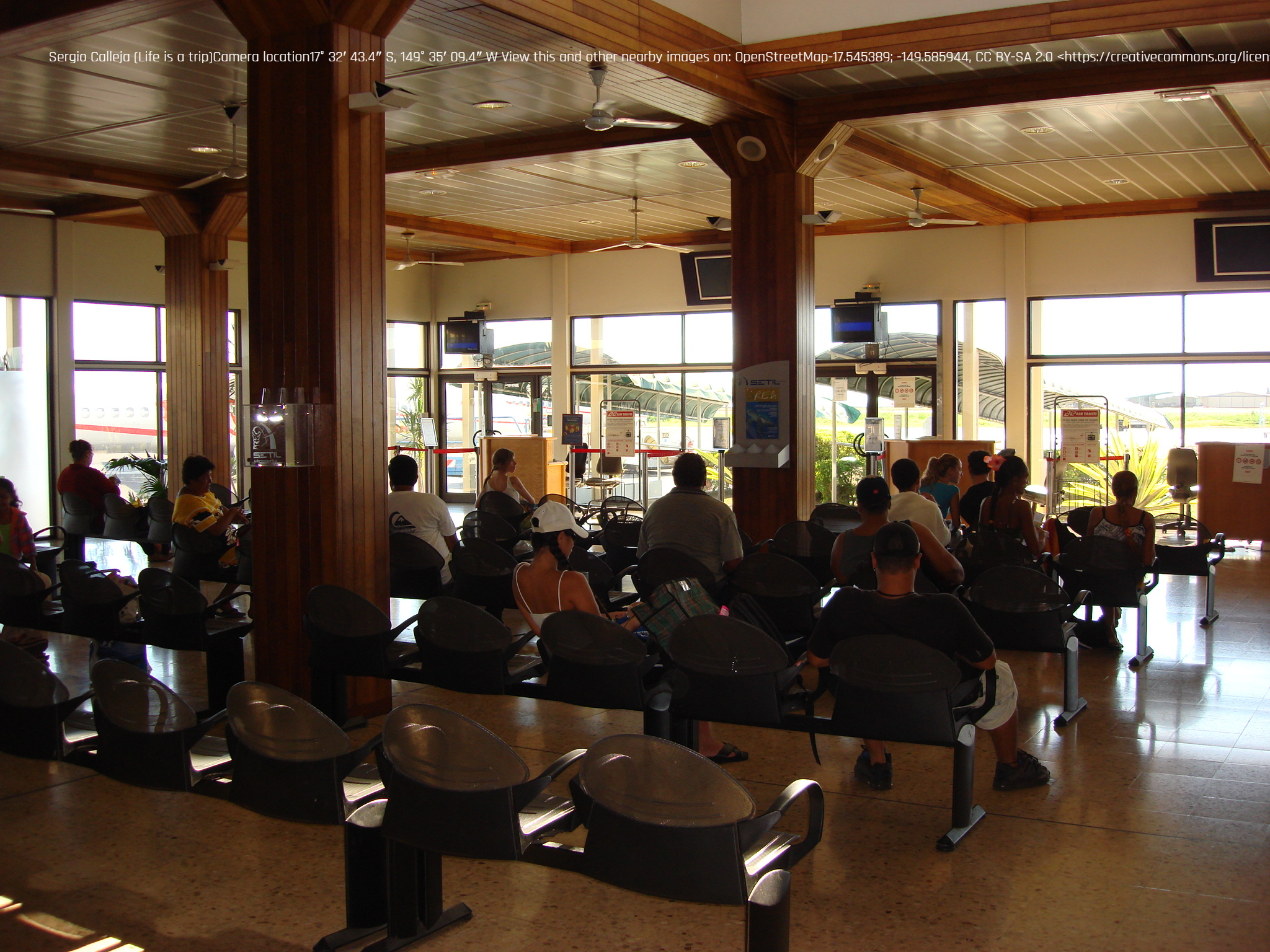
Dedicated FBO Infrastructure at Tahiti Faa’a International Airport
Business aviation handling at PPT is organised through designated facilities.
AIR TAHITI
AIRPORT OF TAHITI – FAAA AIRPORT
AIR TETIAROA TERMINAL
98702 PAPEETE TAHITI IS.
French Polynesia
FBO infrastructure provides passenger lounges, crew rest areas, and direct ramp access.
Ground handlers coordinate aircraft marshalling, fueling, baggage services, and catering. From an operational perspective, fuel uplift must be pre-arranged, and catering sourcing requires additional planning due to island supply logistics.
During peak season, extended parking may require repositioning strategies if apron capacity becomes constrained.

Runway Performance, Payload Strategy and Long Haul Departure Constraints
The 3,420-meter runway at Tahiti Faa’a International Airport supports ultra-long-range business jets. However, performance is influenced by:
- High humidity levels
- Ambient temperature
- Wind direction
- Required departure fuel load
Maximum takeoff weight calculations determine passenger capacity and baggage limits on long-haul departures.
For departures toward Europe or the US East Coast, fuel stops are generally integrated into routing. Westbound departures may also require performance adjustments depending on seasonal wind patterns.
From an advisory perspective, aircraft selection must be aligned with real payload capability rather than theoretical brochure range.
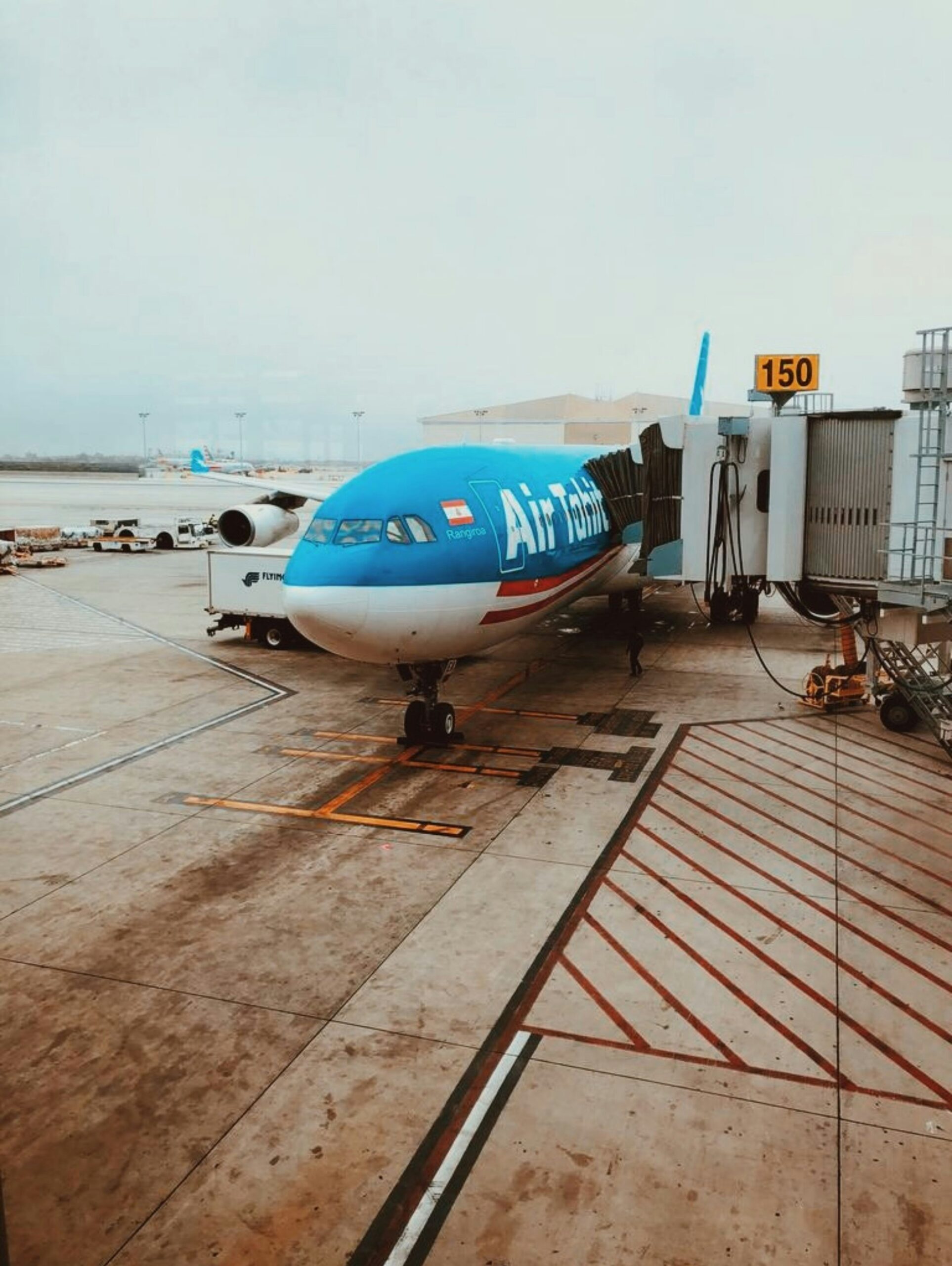
Why Charter a Private Jet to Tahiti: Operational Control, Comfort and Scheduling Flexibility
Private jet charter to Tahiti provides operational control that commercial aviation cannot offer.
Private aircraft allow:
- Flexible departure timing
- Direct routing aligned with onward island transfers
- Coordinated baggage handling for extended resort stays
- Cabin privacy for high-profile travellers
Ultra-long range cabins provide multi-zone layouts, enabling sleep, dining, and work segmentation on missions exceeding 12 hours.
Modern passengers expect high-speed satellite connectivity, carbon emission reporting upon request, and structured sustainability considerations. While Sustainable Aviation Fuel availability in Tahiti remains limited, SAF uplift may be available at departure airports such as Los Angeles or San Francisco.
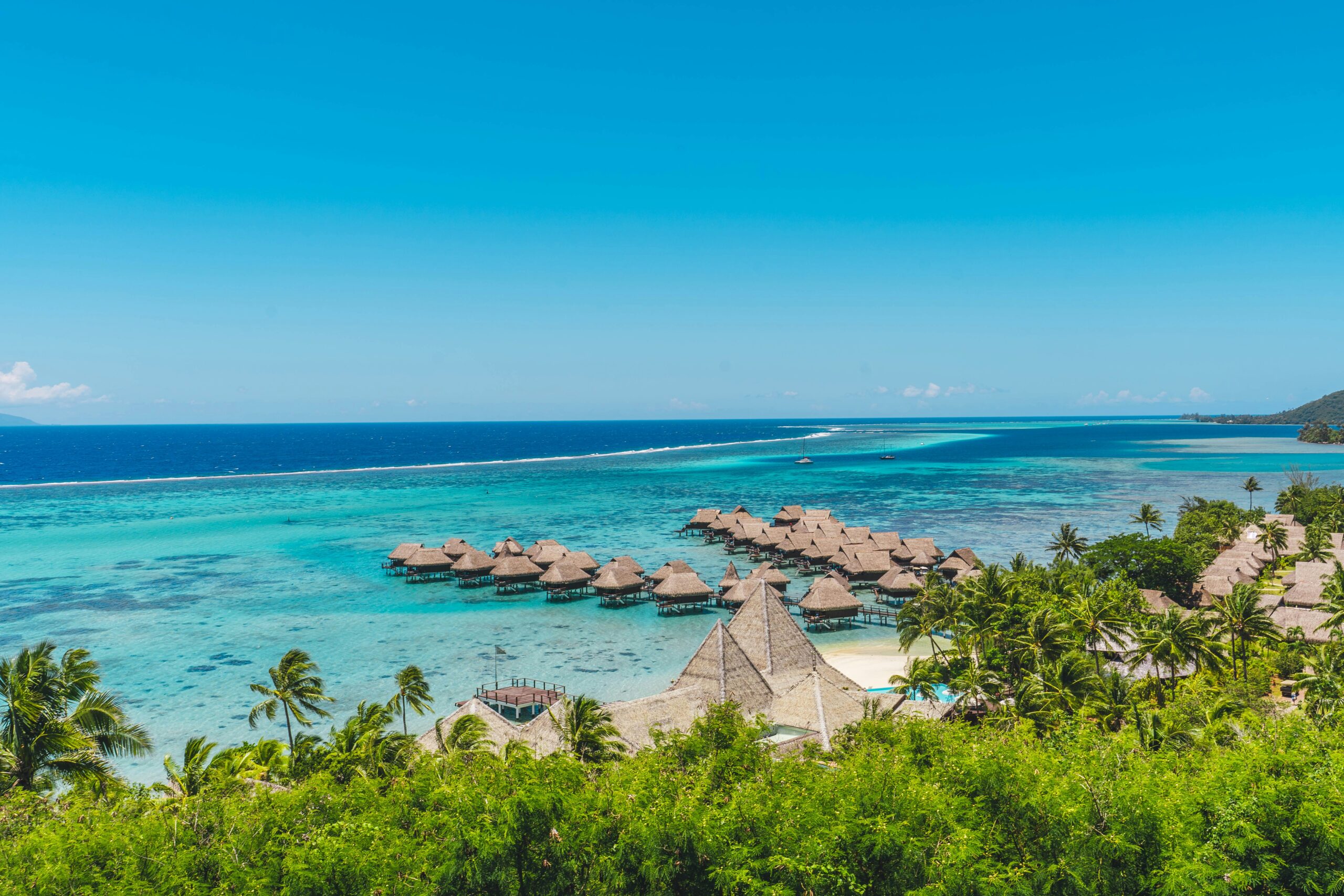
Ground Transportation, Resort Transfers and Inter-Island Connectivity from PPT
Ground coordination begins before arrival.
Private jet passengers typically utilise pre-arranged chauffeur vehicles directly from the FBO. For onward island transfers, helicopter coordination or domestic flight scheduling must align with international arrival times.
Island logistics introduce weather sensitivity and limited frequency considerations. Our aviation specialists at Zadra align aircraft arrival with ground or inter-island transfers to reduce transit friction.
Private Aviation Tahiti Faa’a International Airport PPT NTAA
Ultra-long-range jets are typically best suited for long Pacific sectors due to cabin comfort and fuel efficiency margins.
Parking is available but subject to seasonal demand and apron capacity. High-season travel requires early coordination.
Peak season flights benefit from booking several weeks in advance to secure preferred aircraft and parking availability.
Yes. Customs and immigration clearance are coordinated in advance for private jet passengers, with digital documentation submission before arrival.
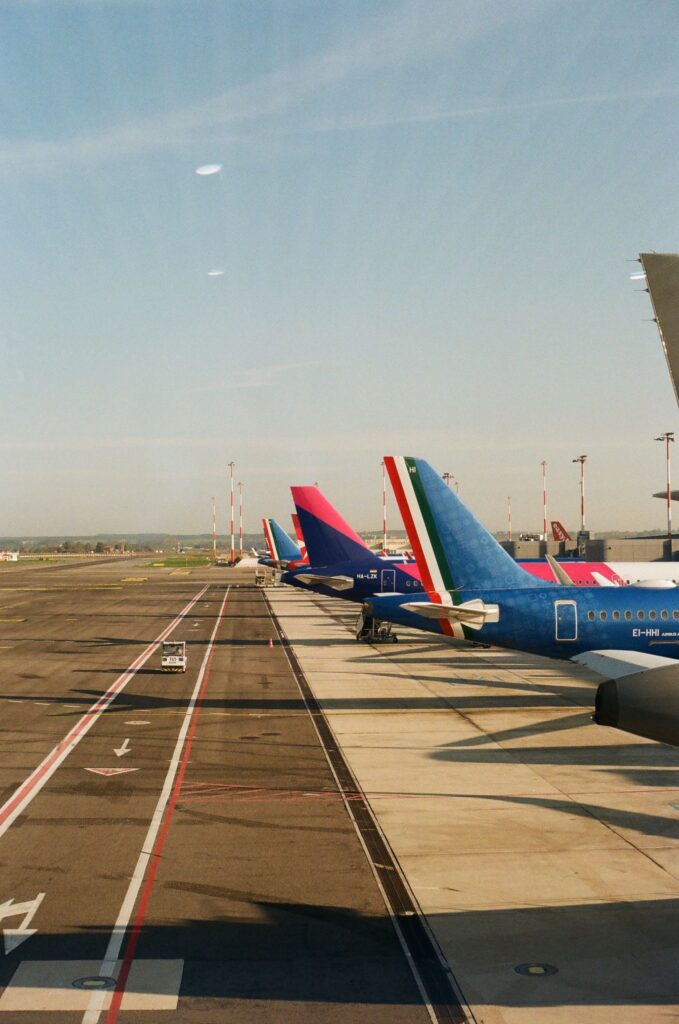
Trusted by our clients
4.9 / 5
Based on 1,328 verified reviews
Geneva 
ZUG
 A Swiss-Based Company
 Go Top