





Light and midsize jets are most suitable due to the 1,290-meter runway length. Heavy and ultra-long-range jets are generally not feasible.
Private Jet Charter to and from Terrance B. Lettsome International Airport EIS TUPJ
Zero compromise. Absolute precision. Cost effective.

our services
Strategic Access to the British Virgin Islands via Short-Field Business Aviation
The British Virgin Islands are a premium Caribbean destination for yacht charters, private villas, and discreet leisure travel. Accessing them by private jet, however, requires precise aircraft selection due to runway limitations at Terrance B. Lettsome International Airport.
Our aviation specialists at Zadra Aviation Charter evaluate runway performance, payload margins, and seasonal weather patterns before confirming aircraft suitability. At EIS, operational feasibility is driven primarily by runway length and climb performance rather than aircraft range alone.
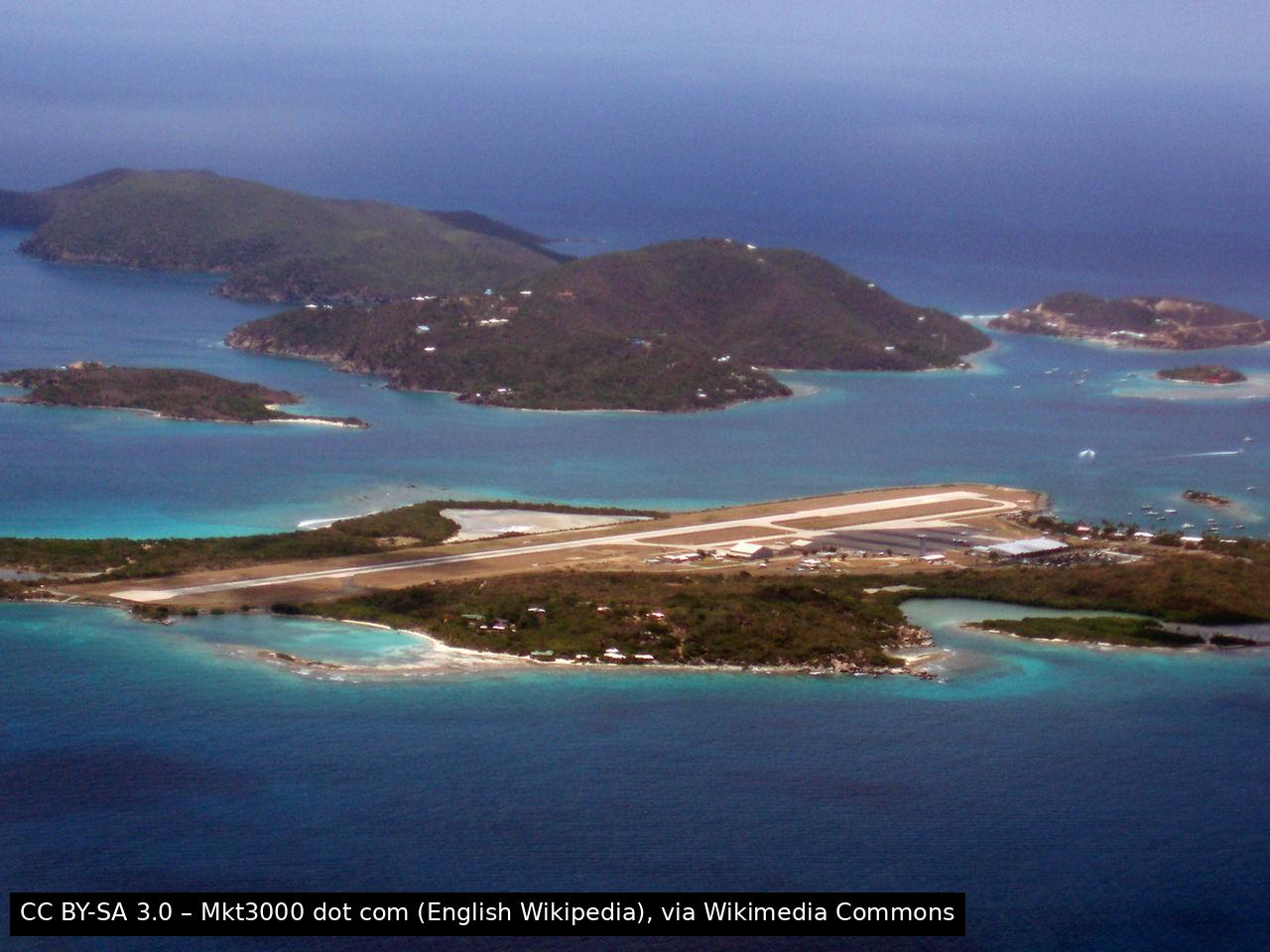
Terrance B. Lettsome International Airport: Primary Gateway to the British Virgin Islands
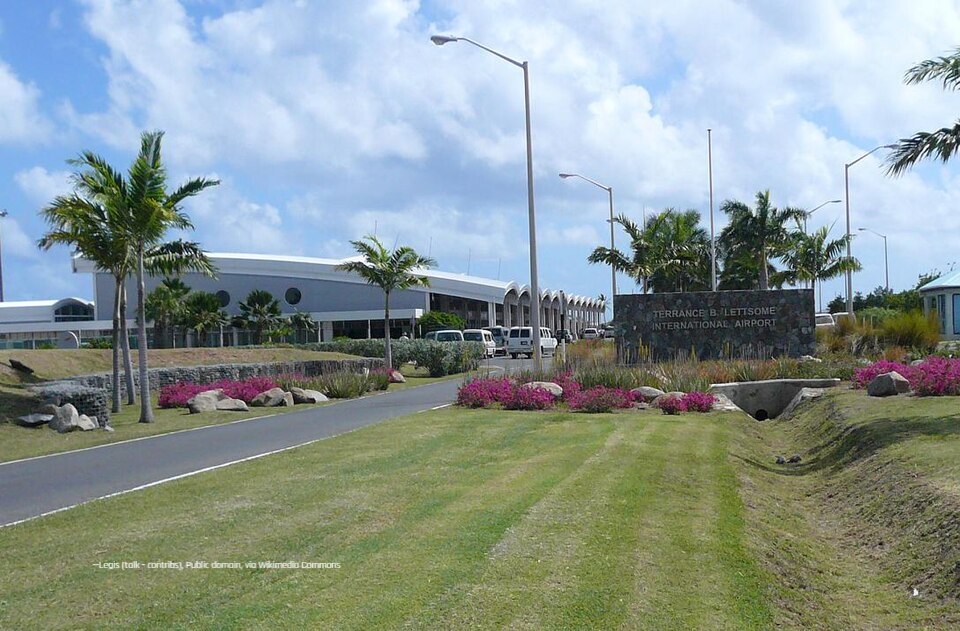
Terrance B. Lettsome International Airport operates under the IATA code EIS and the ICAO code TUPJ. Located on Beef Island, connected to Tortola by bridge, it functions as the main international entry point for the British Virgin Islands.
EIS integrates commercial regional flights and private aviation within a compact airfield environment.
From an operational standpoint:
Runway length defines aircraft suitability.
Apron space requires coordinated parking management during peak season.
Customs clearance is mandatory for all international arrivals.
The airport primarily serves light and midsize jet categories due to runway constraints.
General facts about Terrance B. Lettsome International Airport EIS TUPJ
| Fact | Details |
|---|---|
| Airport Name | Terrance B. Lettsome International Airport |
| IATA Code | EIS |
| ICAO Code | TUPJ |
| Location | Beef Island, Tortola, British Virgin Islands |
| Runway Length | 1,290 meters |
| Elevation | 8 meters above sea level |
| Surface | Asphalt |
| Customs | International customs and immigration available |
| Business Aviation | Dedicated ground handling |
| Peak Demand | Christmas, New Year, Spring Break, Summer |
Private Aviation at Terrance B. Lettsome International Airport EIS TUPJ
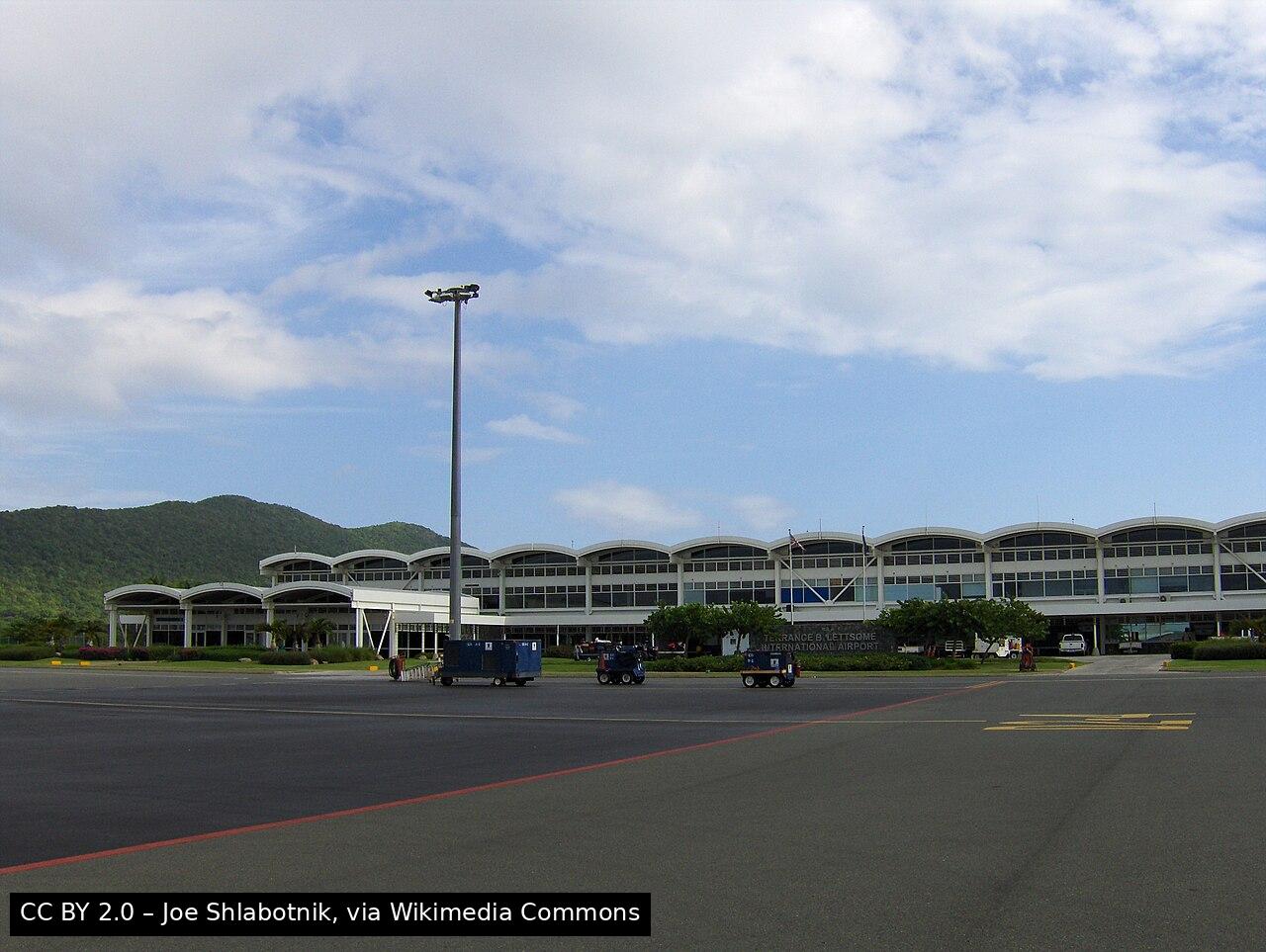
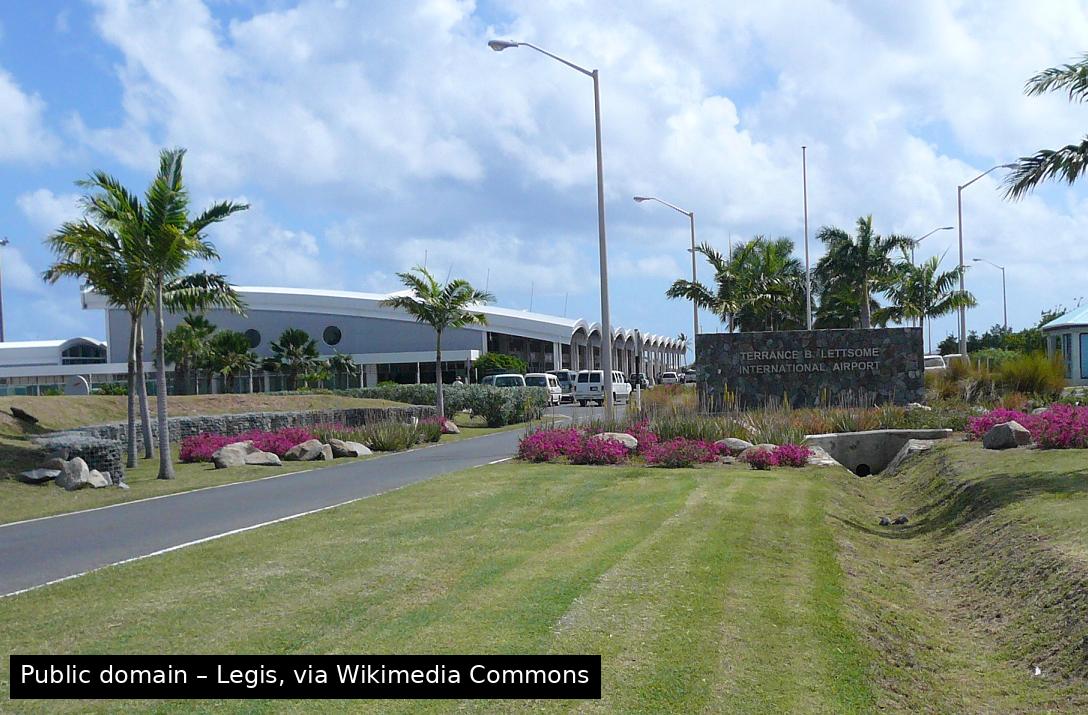
Dedicated FBO Infrastructure at Terrance B. Lettsome International Airport
Business aviation handling at EIS is supported by local ground handling services within the airport’s general aviation framework.
AIRPORT SERVICES
TERRANCE B. LETTSOM INT’L AIRPORT
ROADTOWN
TORTOLA IS.
Virgin Islands (British)
Airport Services provides ground handling support for private and charter aircraft.
From an operational perspective:
Handling teams coordinate aircraft marshalling, fueling, and baggage services.
Passenger processing is conducted through designated facilities separate from commercial traffic where applicable.
Ramp access allows direct transfer from aircraft to ground transportation.
Fuel availability requires prior confirmation, particularly during peak holiday periods when private aviation demand increases significantly.
Apron capacity is limited compared to major hubs, making early parking coordination advisable during high season.
Our aviation specialists at Zadra align landing requests, handling arrangements, and onward transfer planning to ensure structured and predictable operations.
Runway Performance, Climate Impact and Departure Considerations
The 1,290-meter runway at EIS demands rigorous aircraft weight management and precise performance planning. Takeoff performance is a critical limiting factor, directly determining the maximum allowable passenger load. At the same time, fuel requirements significantly impact departure weight limits, which in turn influence routing flexibility and operational range.
High ambient temperatures and variable trade winds in the Caribbean further reduce performance margins, requiring conservative calculations and careful pre-flight analysis. These environmental factors can degrade aircraft performance, especially on short runways, making payload and fuel trade-offs essential.
For return flights to the U.S. East Coast, operators must implement strategic fuel planning. Depending on the aircraft category, payload, and weather conditions, this may necessitate fuel stops or adjusted routing to remain within safe operating limits.
From an operational and advisory perspective, short-runway Caribbean airports like EIS require conservative, performance-based planning rather than reliance on theoretical or brochure range figures. Accurate weight and balance calculations, real-time weather assessment, and fuel optimisation strategies are essential to ensure safe and efficient operations.
Why Charter a Private Jet to the British Virgin Islands
Private jet charter enhances flexibility and privacy for travel to the BVI.
Advantages include:
Direct routing from key U.S. hubs.
Arrival timing aligned with yacht charters and resort check-in.
Reduced transit time compared to commercial Caribbean connections.
Discreet handling for high-profile travellers.
For many clients, EIS is chosen specifically because it provides the closest jet access point to Tortola and the surrounding islands.
Cabin selection should balance runway performance capability with passenger comfort expectations.
Ground Transportation and Island Connectivity from EIS
Ground coordination completes the arrival process.
Common onward transfers include:
Pre-arranged SUV or executive transport
Private marina transfers
Boat or ferry connections
Helicopter transfers to Virgin Gorda or nearby islands
Island logistics and ferry schedules can affect timing. Coordinating aircraft arrival with onward marine or helicopter services reduces overall transfer time.
Our aviation specialists at Zadra Aviation Charter align arrival scheduling with transfer logistics to maintain continuity from touchdown to final destination.
Private Aviation at Toronto Pearson (YYZ)
Certain midsize or super midsize jets may operate nonstop under favourable conditions. Performance and payload calculations must be evaluated individually.
Yes. Customs and immigration clearance are required and coordinated before arrival.
Yes, but fuel uplift must be confirmed in advance due to island supply logistics.
Peak demand occurs during Christmas, New Year, Spring Break, and the summer months. Early booking improves aircraft and parking availability.




Trusted by our clients
4.9 / 5
Based on 1,328 verified reviews
Geneva 
ZUG
 A Swiss-Based Company
 Go Top