





Yes. The airport supports private jet operations across all aircraft categories.
Private Jet Charter to and from Stockholm Arlanda Airport (ESSA)
Zero compromise. Absolute precision. Cost effective.

our services
Stockholm Arlanda Airport (ESSA) functions as Sweden’s primary international aviation hub and a key entry point for business aviation in Scandinavia. Private jet charter enables direct access to Stockholm, the surrounding business districts, and remote regions across Sweden and Northern Europe.
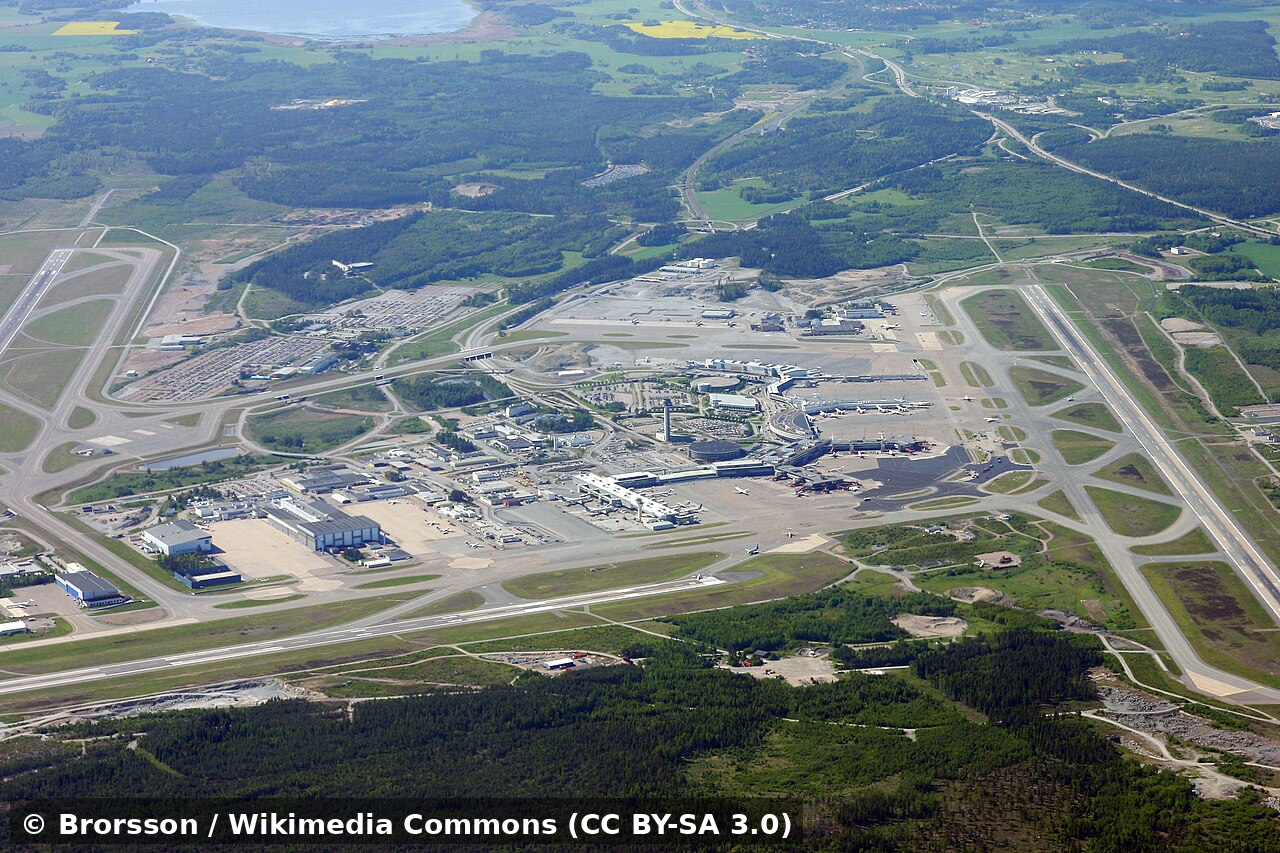
From a real-world charter perspective, Arlanda combines large-scale commercial infrastructure with dedicated business aviation handling. This allows private jet operations to benefit from long runways and global connectivity while requiring coordination within a structured and sometimes high-density airspace environment.
Our aviation specialists at Zadra Aviation Charter coordinate private jet operations into Stockholm using real-time aircraft availability, European slot coordination systems, and regulatory compliance processes, ensuring efficient routing into Northern Europe.
Airport Overview
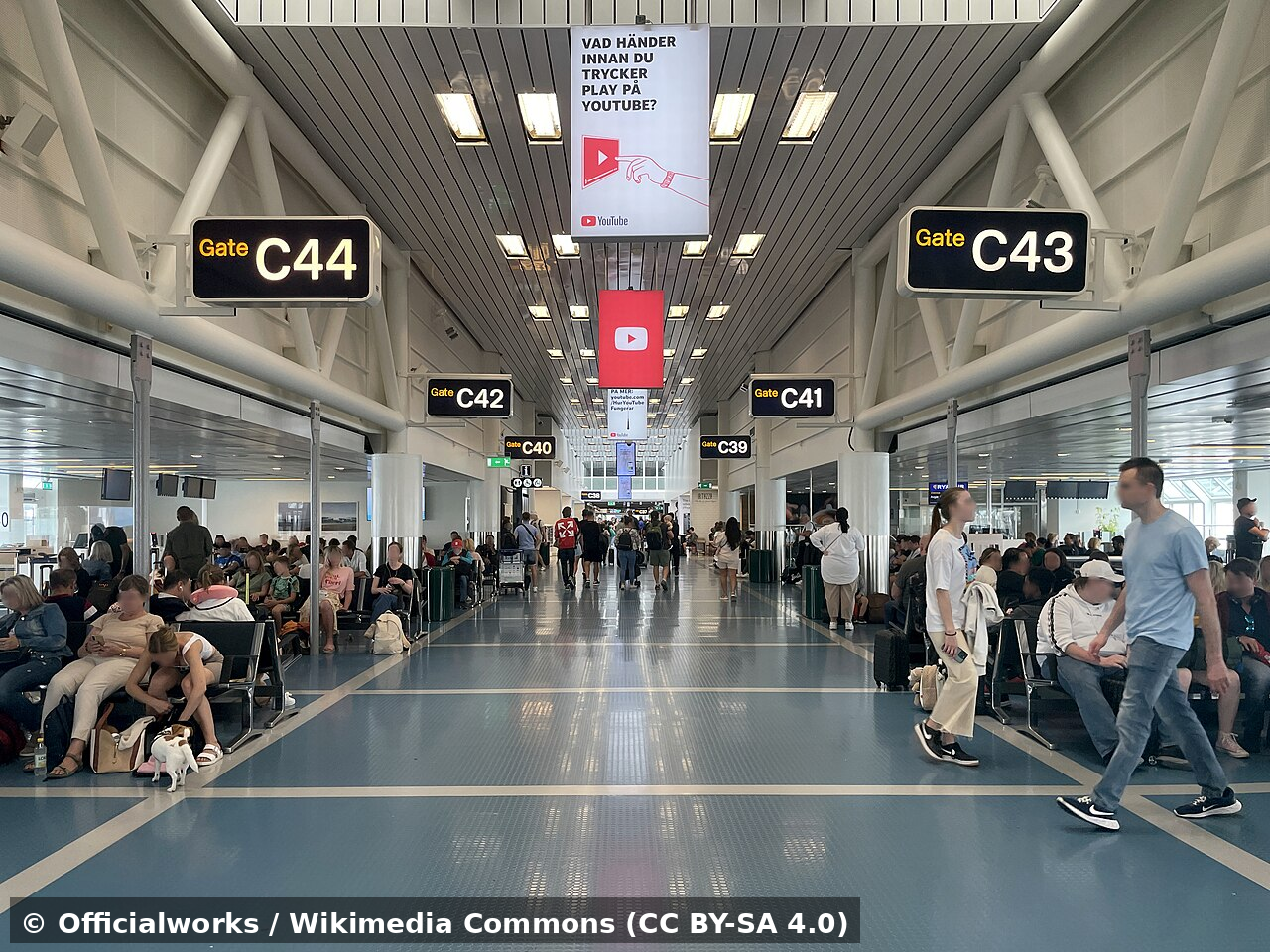
Stockholm Arlanda Airport serves both commercial airline traffic and business aviation within a multi-runway system. The airport is located approximately 37 kilometres north of central Stockholm.
The airport provides direct access to:
- Stockholm city centre and financial districts
- Government and diplomatic institutions
- Technology and innovation hubs across Sweden
From an operational standpoint:
- Arlanda operates under coordinated European airspace regulations
- Traffic levels are high, particularly during peak travel periods
- Business aviation operates alongside scheduled airline traffic
In real-world operations, this means that private jet departures and arrivals must align with slot allocations and air traffic flow management.
General facts about Stockholm Arlanda Airport (ESSA)
| Fact | Details |
|---|---|
| ICAO Code | ESSA |
| IATA Code | ARN |
| Location | Stockholm, Sweden |
| Airport Type | International, Commercial + General Aviation |
| Elevation | 134 ft / 41 m |
| Runways | 3 |
| Longest Runway | 3,301 m / 10,830 ft |
| Slot Coordination | Fully coordinated airport |
| Customs Availability | 24/7 |
Private Aviation at Stockholm Arlanda Airport (ESSA)
Dedicated FBOs
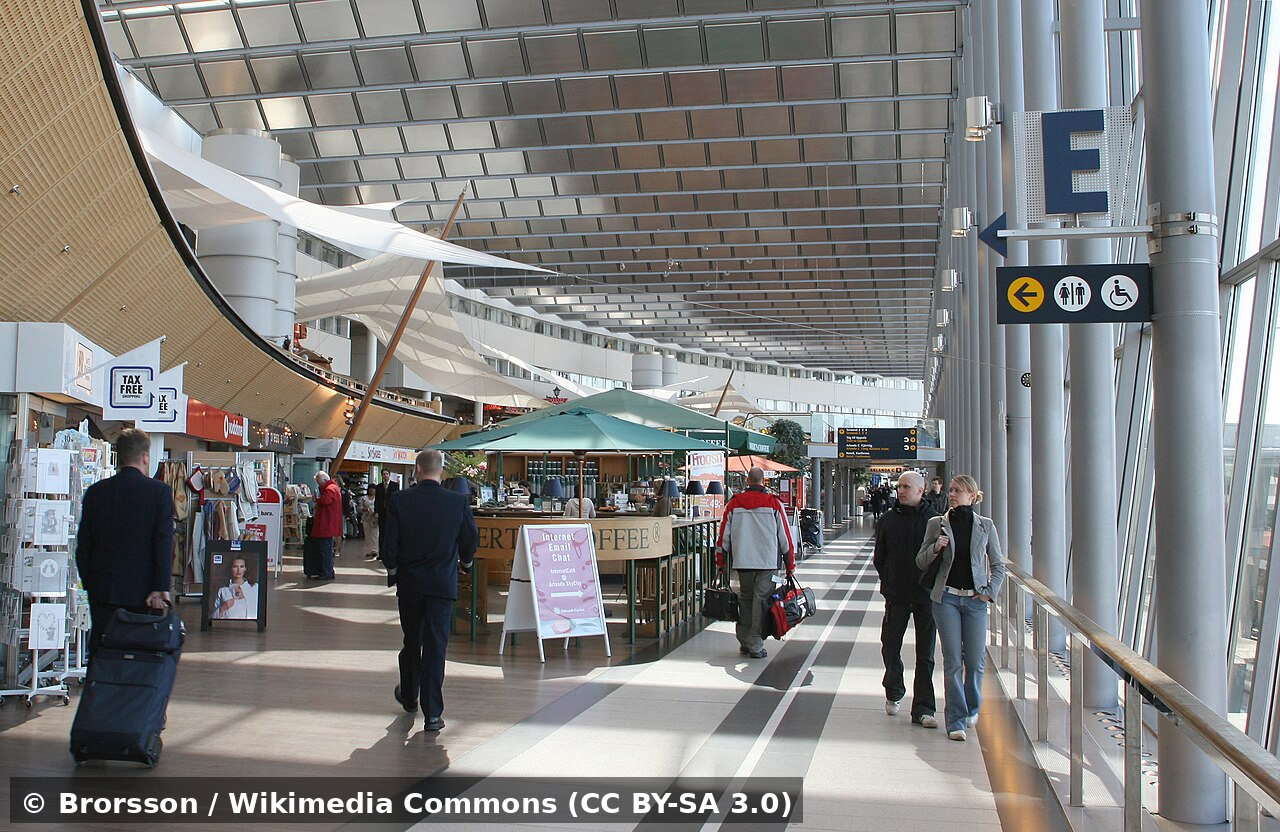
FBO operators provide ground handling, passenger services, and operational coordination for private aviation.
At Stockholm Arlanda Airport, business aviation handling includes:
- ASE Handling Stockholm Arlanda
Full FBO Address (Operational Reference):
ASE Handling
General Aviation – Apron M
Stockholm/Arlanda Airport
19045 Stockholm
Sweden
ASE Handling supports:
- Aircraft handling and ramp services
- Passenger lounges and private handling areas
- Crew facilities and dispatch coordination
- Fueling and operational support
From an operational perspective, FBO positioning within the general aviation apron directly influences taxi time and ground efficiency.
Passenger flow typically moves from vehicle to private handling area to aircraft with minimal delay.
Our aviation specialists at Zadra Aviation Charter coordinate directly with ASE Handling to ensure that aircraft handling aligns with slot timings, ground services match passenger requirements, and turnaround times remain optimised.
In real-world charter operations, efficient coordination with handling agents is particularly critical at slot-controlled airports such as Stockholm Arlanda.
Runway Capabilities
Stockholm Arlanda Airport operates three runways, with the longest exceeding 3,300 meters.
Operational implications:
Runway length supports all categories of private jets, including ultra-long-range aircraft
Multiple runway configuration improves traffic flow and operational flexibility
From an operational standpoint:
Cold weather conditions affect braking performance and require operational adjustments
De-icing procedures are standard during winter operations
In real-world operations:
Aircraft performance must account for runway contamination and winter weather
Operational planning includes additional time buffers for ground procedures
Why Charter to Stockholm
Stockholm serves as a central hub for business, government, and technology sectors in Scandinavia.
Key demand drivers include:
- Corporate and financial travel
- Government and diplomatic activity
- Access to Nordic markets
Stockholm Arlanda provides direct connectivity to domestic and international destinations.
From a client perspective:
Private jet travel reduces travel time across Northern Europe
Direct airport access improves efficiency compared to commercial travel
Ground Transportation
Private jet passengers require efficient onward connectivity.
Our aviation specialists at Zadra coordinate:
- Chauffeur-driven transfers
- Executive vehicles to central Stockholm
- Transfers to regional destinations across Sweden
Stockholm Arlanda Airport provides access to:
- Stockholm city centre
- Business and government districts
- Surrounding Nordic regions
From an operational standpoint:
Ground transport is synchronised with aircraft arrival timing
FBO access enables direct vehicle-to-aircraft transitions
Private Aviation at Stockholm Arlanda Airport (ESSA)
Yes. Slot allocation is required and directly affects scheduling flexibility.
Yes. De-icing, runway conditions, and weather impact flight planning and turnaround time.
All categories can operate, from light jets for regional travel to heavy jets for intercontinental routes.
Yes. The runway infrastructure supports long-haul and intercontinental operations.


Trusted by our clients
4.9 / 5
Based on 1,328 verified reviews
Geneva 
ZUG
 A Swiss-Based Company
 Go Top