





Private jets frequently use Nagoya Airport (NKM / RJNA) for domestic and regional flights. For international arrivals requiring customs facilities, Chubu Centrair International Airport may be used instead.
Private Jet Charter to and from Nagoya Airport (NKM)
Zero compromise. Absolute precision. Cost effective.

our services
Nagoya sits in the centre of Japan’s industrial corridor and regularly attracts corporate travel connected to the automotive, aerospace, and robotics sectors. Executives travelling to the region often prioritise efficiency over airline connectivity, which is why business aviation plays a significant role in access to the city.
Private jet charter allows travellers to structure itineraries around business schedules rather than airline timetables. Private aircraft → provide → flexible departure planning and direct routing between global business hubs. Corporate travellers → prefer → airports that reduce ground transfer time and terminal congestion.
Our aviation specialists at Zadra Aviation Charter arrange private jet flights to and from Nagoya by evaluating aircraft performance, airport suitability, and regulatory requirements. In practical charter planning, the correct airport choice can significantly affect arrival efficiency and total travel time.

Airport Overview
Nagoya Airport, commonly referred to as Komaki Airport, functions today as a mixed-use aviation facility supporting domestic airline services, government operations, and corporate aviation.
Historically, the airport served as Nagoya’s primary international gateway before long-haul traffic moved to Chubu Centrair International Airport in the mid-2000s. Since then, Komaki Airport has become increasingly relevant for regional flights and business aviation operations.
Regional airports → support → faster passenger movement for private aviation
Business aircraft → benefit from → airports located close to urban business districts
The airport lies just north of Nagoya’s metropolitan core. For private jet passengers, this proximity usually translates into short transfers to the city’s commercial districts and industrial headquarters.
General facts about Nagoya Airport (NKM)
| Fact | Details |
|---|---|
| Airport Name | Nagoya Airport (Komaki Airport) |
| IATA Code | NKM |
| ICAO Code | RJNA |
| Location | Aichi Prefecture, Japan |
| Distance to Nagoya | Approximately 10–12 km |
| Primary Role | Domestic aviation and business aviation |
| Previous Role | Former international gateway for Nagoya |
| Typical Transfer Time | Around 20 minutes to central Nagoya |
Private Aviation at Nagoya Airport (NKM)

Dedicated FBOs
While Nagoya Airport does not operate large standalone business aviation terminals like some international hubs, specialised ground handling companies provide services for private aircraft.
Ground handling teams → support → aircraft turnaround and passenger assistance
Business aviation services → coordinate → refuelling, catering, and crew logistics
Typical services available for private jet operations include:
- aircraft parking and apron management
- refuelling and technical assistance
- passenger reception areas
- in-flight catering coordination
- baggage handling and crew services
From an operational standpoint, efficient ground handling plays a key role in minimising turnaround times for charter flights.

Runway Capabilities
Nagoya Airport operates a runway measuring roughly 2,740 meters, which supports a wide range of business aircraft operations.
Runway length → determines → aircraft performance margins
Aircraft takeoff weight → influences → required runway distance
The runway accommodates several categories of private jets, including:
- light jets for regional flights
- midsize aircraft for medium-range travel
- super midsize jets for extended Asian routes
- heavy business jets under appropriate load conditions
However, when flights involve intercontinental sectors or maximum fuel loads, operational planners sometimes consider Chubu Centrair International Airport, which offers longer runways and expanded international infrastructure.
From a charter advisory perspective, selecting the correct departure airport often depends on aircraft range requirements and passenger payload.

Why Charter to Nagoya
Nagoya’s economic profile makes it a frequent destination for international executives, engineers, and investors.
Private jet travel → enables → direct connections between global business centres
Corporate travellers → benefit from → reduced transit time and schedule flexibility
Private aviation offers advantages that align with business travel requirements:
- tailored departure schedules
- ability to access regional airports
- quiet cabin environments suitable for meetings
- efficient multi-city travel within Asia
Modern charter passengers increasingly expect reliable connectivity, real-time travel updates, and seamless coordination between air and ground transport.
Our aviation specialists at Zadra integrate digital flight-planning tools and global aircraft availability systems to quickly evaluate routing options.
Ground Transportation
Efficient ground transportation is an important component of private jet travel.
Airport location → influences → travel time to commercial districts
Corporate travellers often require → pre-arranged executive transport
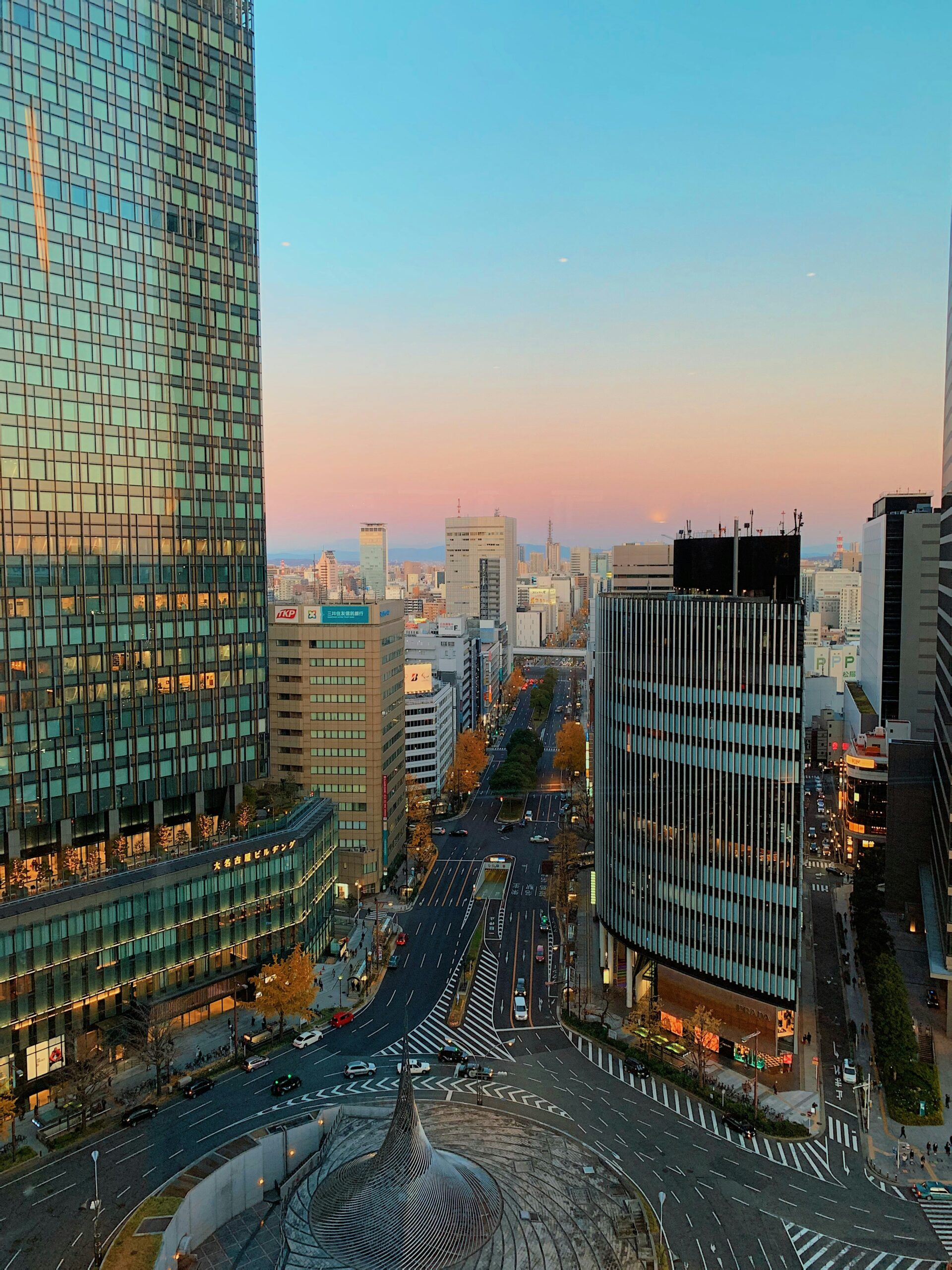
Nagoya Airport offers convenient access to:
- central Nagoya business districts
- Toyota City and the surrounding manufacturing areas
- major regional highways connecting the Chubu region
Ground transportation options typically include:
- executive chauffeur vehicles
- luxury sedan services
- larger vehicles for corporate groups
In many cases, ground transport is scheduled before aircraft departure to ensure passengers transition quickly from the aircraft to their final destination.
Private Aviation at Nagoya Airport (NKM)
The runway supports most business aircraft categories. However, certain long-range aircraft operating with heavy fuel loads may prefer longer runways available at nearby international airports.
The airport is located approximately 10–12 kilometres from the city centre. Under typical traffic conditions, transfers take about 20 minutes.
No. Private aviation passengers normally use dedicated handling facilities where boarding procedures are faster and more discreet.
Charter flights to Japan typically require flight permits and operational coordination. Planning several days helps ensure aircraft availability and regulatory clearance.



Trusted by our clients
4.9 / 5
Based on 1,328 verified reviews
Geneva 
ZUG
 A Swiss-Based Company
 Go Top