





Lisbon supports private aviation, but operations are influenced by commercial traffic density and slot availability. Proper planning is essential.
Private Jet to/from Humberto Delgado Airport Lisbon (LIS)
Nessun compromesso. Precisione assoluta. Conveniente.

our services
Lisbon’s Humberto Delgado Airport is the primary international gateway to Portugal, handling a mix of scheduled airline traffic and business aviation. For private jet clients, the airport offers direct proximity to the city, but also introduces operational constraints that require careful planning.
Our aviation specialists at Zadra oversee each stage of the flight process in Lisbon, from securing viable slots to aligning aircraft choice with real-time airport conditions. In practice, successful private jet operations at Lisbon depend less on availability and more on timing, coordination, and experience.
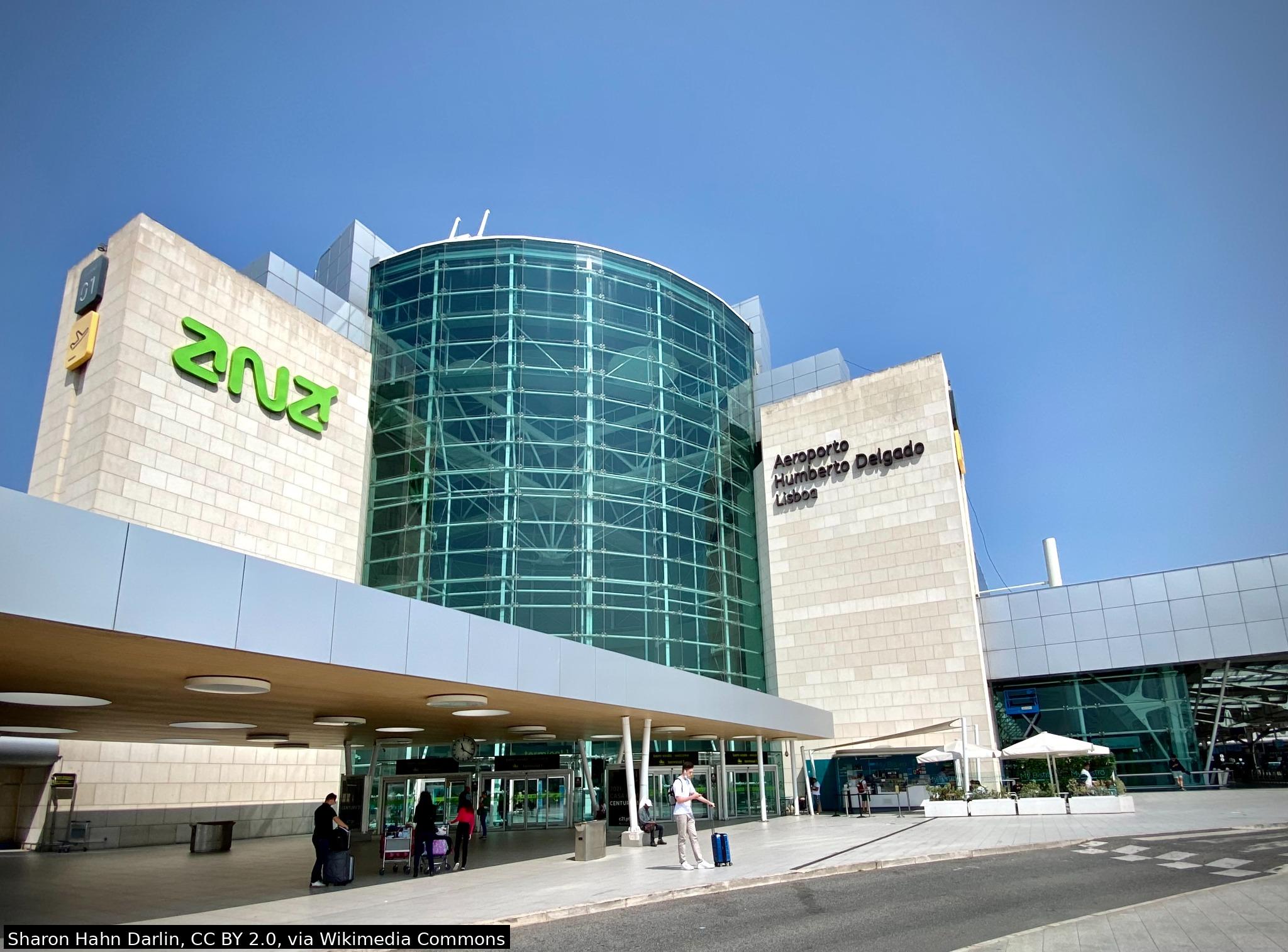
Airport overview
Humberto Delgado Airport is positioned within the urban perimeter of Lisbon, approximately 7 kilometres from the city centre. This location makes it one of the most accessible capital city airports in Europe, but also one of the most operationally constrained.
The airport operates as a shared infrastructure between commercial airlines and private aviation. This means business jet traffic is integrated into a high-density environment where air traffic flow, runway sequencing, and ground capacity directly influence feasibility.
In real-world conditions, Lisbon behaves differently from dedicated business aviation airports. Efficiency is achievable, but only when operational variables are actively managed.
General facts about Humberto Delgado Airport Lisbon (LIS)
| Fact | Details |
|---|---|
| ICAO Code | LPPT |
| IATA Code | LIS |
| Location | Lisbon, Portugal |
| Distance to City Centre | ~7 km |
| Airport Type | International, mixed-use |
| Runways | 2 (primary runway approx. 3,700 m) |
| Slot Requirement | Mandatory |
| Parking Availability | Limited during peak periods |
| Customs | Full international capability |
Private Aviation at Humberto Delgado Airport Lisbon (LIS)
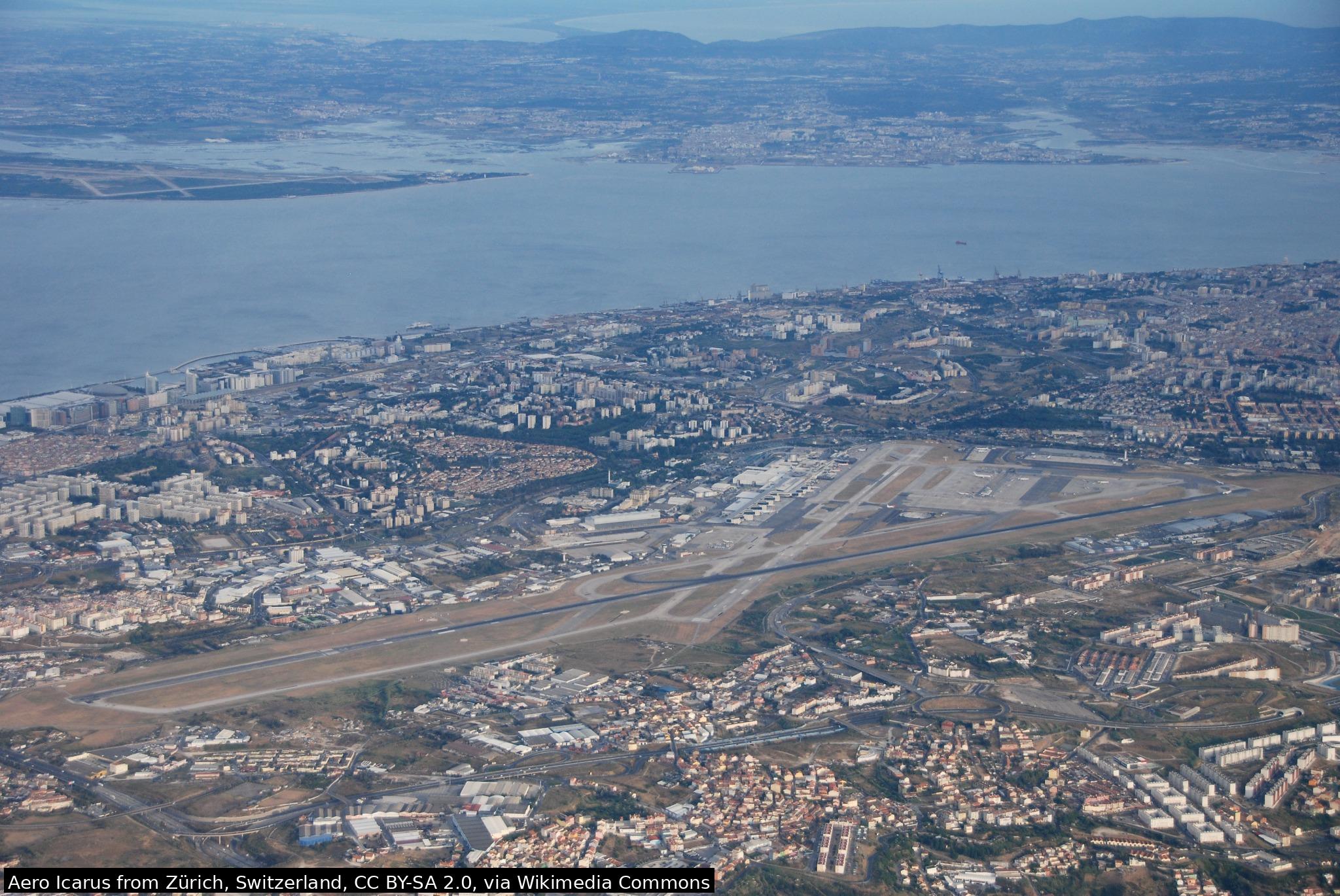
Dedicated FBOs
Lisbon does not operate a fully segregated private jet terminal ecosystem in the same way as airports such as Geneva or Paris Le Bourget. Instead, business aviation services are delivered through specialised handling providers within the main airport structure. These operators manage passenger processing, crew coordination, fueling, and ground services.
Key handling partners include providers such as Gestavia, which support business aviation movements with dedicated coordination and ground handling expertise.
The quality of handling is generally high, but efficiency depends heavily on traffic levels at the time of operation. Passengers can expect a streamlined process compared to commercial travel, although timelines may vary slightly during peak congestion. Arrival procedures are typically fast, while departures require closer coordination with slot timings.
Zadra works directly with local handling teams to ensure that each movement is synchronised with airport flow, minimising delays wherever possible.

Runway Capabilities
Lisbon’s primary runway length allows for the operation of all major private jet categories, including heavy and ultra-long-range aircraft. This makes the airport suitable for intercontinental routes without technical limitations under normal conditions.
However, runway capability is only one part of the equation. Aircraft performance calculations must consider temperature, payload, and departure routing. During warmer months, higher temperatures can affect takeoff performance, particularly on long-haul sectors.
Air traffic sequencing also plays a role. Departures are often integrated into commercial traffic waves, which can influence taxi time and takeoff clearance.
For long-range missions, careful planning ensures that aircraft can depart with optimal payload while remaining within performance margins.
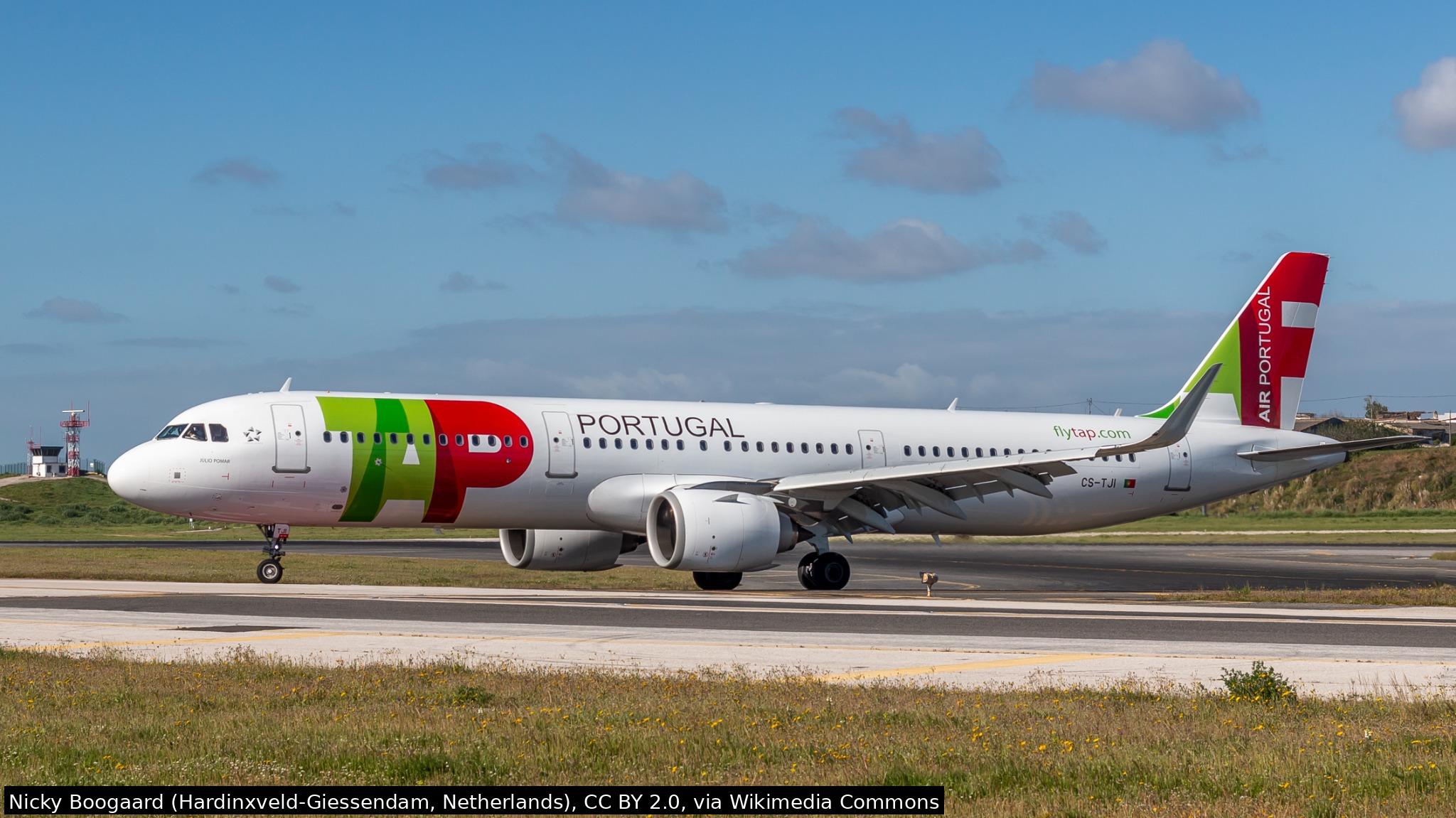
Why Charter to Lisbon
Lisbon offers a unique combination of accessibility, connectivity, and regional positioning. It serves as a natural bridge between Europe, South America, and parts of Africa, making it operationally efficient for a wide range of routes.
From a client perspective, Lisbon supports both business and leisure travel. The city provides immediate access to financial centres, while also acting as a gateway to coastal destinations and resort regions.
Its geographic location allows for efficient routing across multiple continents, which is particularly relevant for clients operating between Europe and Brazil or the eastern United States.

Ground Transportation
Ground transfer logistics in Lisbon are generally straightforward due to the airport’s proximity to the city. Under normal conditions, travel time to central Lisbon is approximately 15 to 20 minutes.
However, traffic patterns can vary significantly depending on the time of day. During peak hours, road congestion can extend transfer times, particularly for routes crossing the city.
Chauffeur services remain the most common option for private jet passengers, offering flexibility and direct routing. For regional onward travel, helicopter transfers may be considered, although they are less common than in Alpine destinations.
Zadra coordinates ground transportation as part of the overall journey, ensuring continuity between air and ground segments.
Private Aviation at Humberto Delgado Airport Lisbon (LIS)
Delays can occur during peak periods due to air traffic congestion. These are typically managed through slot coordination and scheduling adjustments.
Yes, the runway supports heavy and ultra-long-range aircraft, allowing direct intercontinental flights under normal conditions.
Off-peak hours, typically mid-day or late evening, offer more flexibility and reduced congestion.
The choice depends on aircraft type and operational priorities. Cascais offers flexibility, while Lisbon supports larger aircraft and long-haul capability.





Apprezzato dai nostri clienti
4.9 / 5
Sulla base di 1.328 recensioni verificate
Ginevra 
ZUG
 Un'azienda con sede in Svizzera
 Torna in alto