





Yes. The runway length and low congestion profile support heavy and ultra-long-range business aircraft operations. Performance planning still considers temperature, payload and wind conditions.
Private Jet to and from Paris Vatry Airport
Nessun compromesso. Precisione assoluta. Conveniente.

our services
Paris Vatry Airport offers a low-congestion alternative within the Paris airport ecosystem. For clients preparing to book a private jet, Vatry represents operational flexibility, runway performance strength and reduced slot pressure compared to primary Paris hubs.
Our aviation specialists at Zadra coordinate aircraft selection, regulatory compliance and ground handling based on mission profile. Private jet charters operate through dedicated FBO facilities, and flight planning integrates Eurocontrol routing, real-time weather data and digital dispatch workflows consistent with 2026 business aviation standards.
Airport Overview
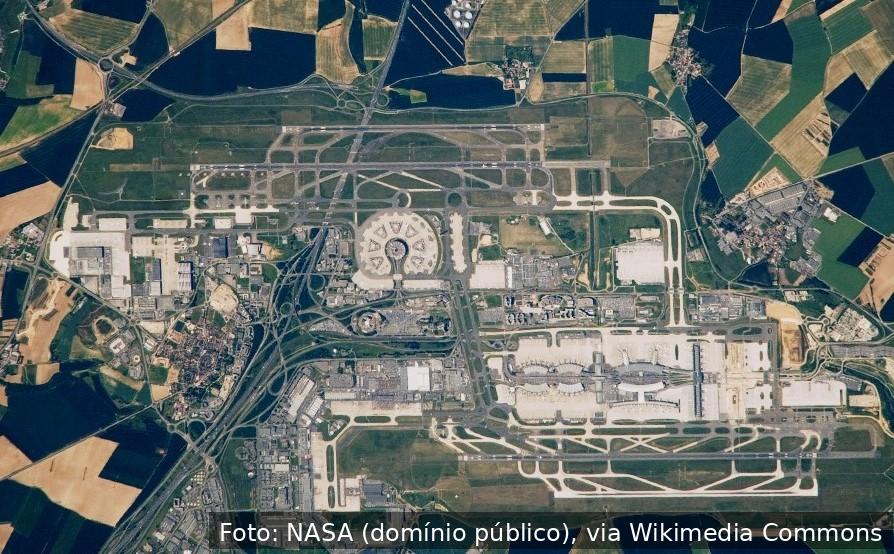
Paris Vatry Airport is located in Bussy-Lettrée in the Champagne region of northeastern France. The airport supports both cargo and passenger operations, but business aviation benefits from relatively low traffic density.
Secondary airports improve schedule reliability because congestion risk decreases. Lower congestion reduces taxi times and departure sequencing delays. From an operational perspective, this directly improves departure predictability for time-sensitive charter missions.
Paris city airports often operate under slot allocation constraints. Slot-controlled airports limit last-minute departure flexibility. Vatry typically allows more adaptable scheduling, which matters for clients who require dynamic itineraries.
General facts about Paris Vatry Airport
| Fact | Details |
|---|---|
| Official Name | Paris Vatry Airport |
| IATA Code | XCR |
| ICAO Code | LFOK |
| Location | Rue Louis Blériot, 51320 Bussy-Lettrée, France |
| Elevation | Approx. 179 m above sea level |
| Runway | Single long asphalt runway |
| Operational Focus | Cargo and business aviation |
Private Aviation at Paris Vatry Airport

Dedicated FBO Facilities
Paris Vatry’s dedicated FBO facilities provide controlled passenger access, private lounges, and crew briefing areas, ensuring a seamless experience across all segments of private aviation—from turboprops and very light jets to light jets, midsize jets, heavy jets, and ultra long-range aircraft. The terminal infrastructure effectively separates private aviation from commercial traffic, enhancing both efficiency and discretion.
Ground handling agents coordinate fueling, catering, and dispatch services tailored to each aircraft category, while border control authorities can process non-Schengen arrivals upon request. Advance passenger information is submitted digitally prior to arrival, and modern European charter workflows leverage API submission systems and electronic documentation review, significantly improving operational efficiency compared to larger hubs.
With lower passenger throughput, Paris Vatry also offers a heightened level of privacy, making it particularly well-suited for high-profile clients regardless of aircraft type.

Runway Capabilities
Paris Vatry Airport features a long runway capable of supporting wide-cabin business aircraft.
Heavy jets require longer takeoff distances at maximum payload.
Long runway infrastructure supports long-range aircraft performance margins.
Performance margins improve departure flexibility in hot summer conditions.
Runway length allows aircraft such as ultra-long-range jets to depart without severe payload penalties. This is operationally relevant for nonstop intercontinental missions.
Seasonal weather must still be considered. Winter operations may require de-icing coordination. De-icing procedures affect turnaround time and fuel burn planning.
Why Charter to Paris Vatry
Charter clients select Vatry for schedule flexibility and reduced congestion risk.
Secondary airports increase departure adaptability.
Lower traffic density reduces slot dependency.
Reduced ramp congestion improves aircraft parking availability.
From a planning standpoint, Vatry can be advantageous during peak Paris events when central airports experience slot saturation.
Our aviation specialists at Zadra evaluate whether reduced airside congestion compensates for ground transfer time to central Paris. The correct airport selection depends on passenger location, time sensitivity and aircraft category.

Ground Transportation
Paris Vatry Airport is located east of central Paris in the Champagne region. Ground transfer time varies depending on traffic conditions and chosen vehicle category.
Private jet passengers typically request:
- Chauffeur-driven executive vehicles
- Armored transport when required
- Helicopter transfers to Paris city heliports
- Direct transfers to Champagne estates or corporate facilities
Ground logistics influence total journey time. Coordinated ground transport ensures continuity between airside arrival and final destination.
Our aviation specialists at Zadra integrate air and ground scheduling to minimize idle time between landing and onward transfer.
Private Aviation at Paris Vatry Airport
Compared to major Paris hubs, Vatry offers greater flexibility. Handling coordination and prior notice procedures still apply, but slot pressure is typically reduced.
Le Bourget remains the primary dedicated business aviation airport near Paris. However, it can experience peak congestion during major events. Vatry provides an operational alternative with lower traffic density.
Yes. For flights arriving from outside the Schengen Area, customs and immigration clearance are coordinated in advance through the handling agent.
Light jets are efficient for short sectors with small passenger groups. Midsize jets provide additional cabin comfort and range. Aircraft selection depends on passenger count, baggage requirements and desired cabin configuration.


Apprezzato dai nostri clienti
4.9 / 5
Sulla base di 1.328 recensioni verificate
Ginevra 
ZUG
 Un'azienda con sede in Svizzera
 Torna in alto