





Yes. The airport’s long runways support heavy and ultra-long-range aircraft, subject to standard performance calculations.
Private Jet Charter at Nursultan Nazarbayev International Airport
Nessun compromesso. Precisione assoluta. Conveniente.

our services
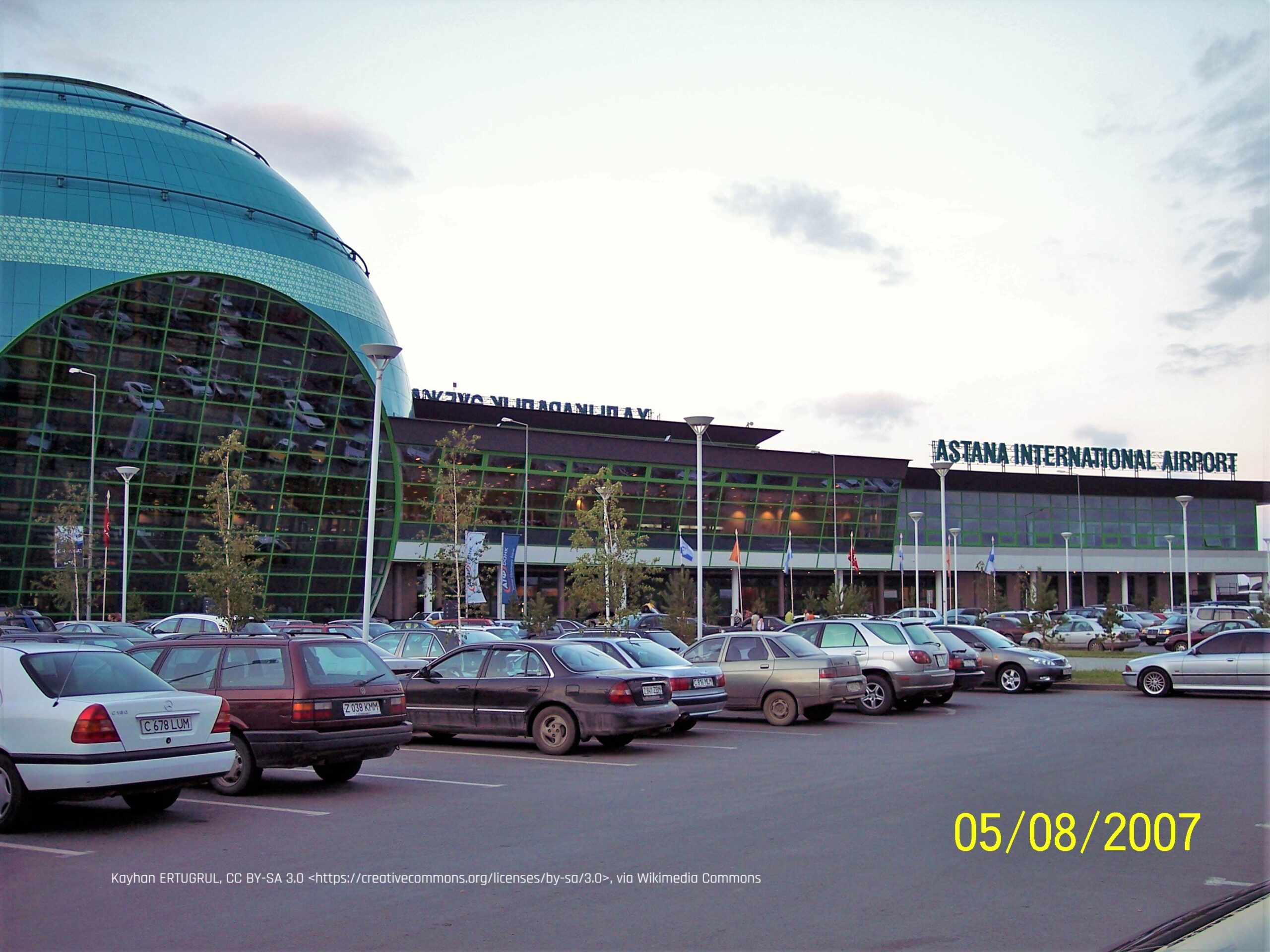
Nursultan Nazarbayev International Airport, IATA NQZ, ICAO UACC, serves as the primary international gateway to Kazakhstan’s capital. For private aviation, airport selection in Central Asia must account for runway capability, extreme seasonal weather, overflight permit strategy, and ground handling reliability.
Astana’s geographic position supports missions connecting Europe, the Middle East, South Asia, and East Asia. Aircraft range capability determines routing options. Routing options determine overflight permit requirements. Permit requirements influence lead time and dispatch planning.
Our aviation specialists at Zadra Aviation Charter evaluate NQZ operations through performance modelling, regulatory coordination, and infrastructure analysis before confirming aircraft allocation.
Airport Infrastructure and Operational Positioning
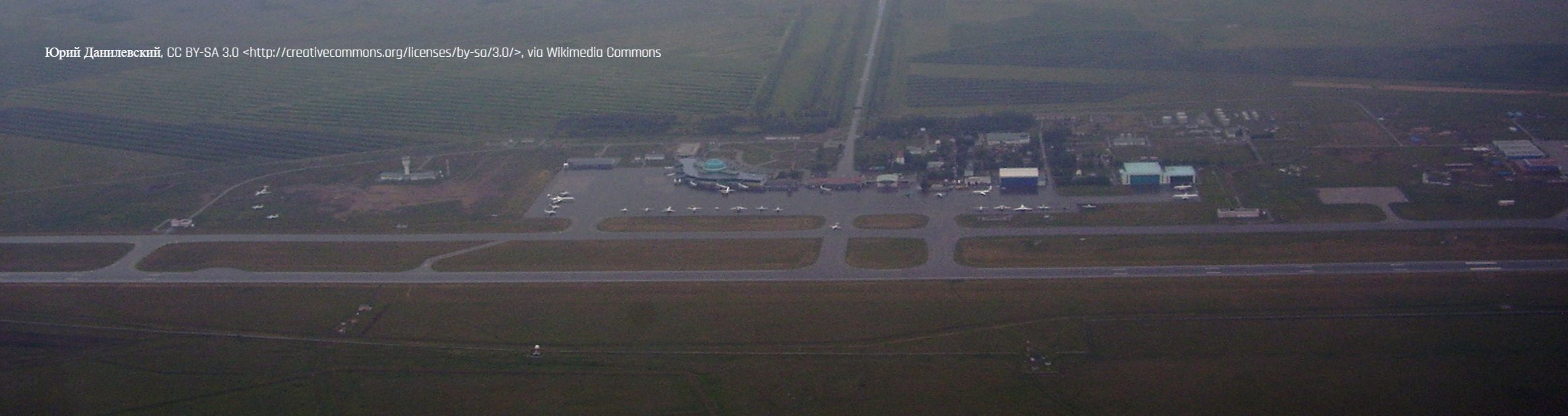
Nursultan Nazarbayev International Airport features multiple long runways exceeding 3,500 meters. Runway length supports wide-body commercial aircraft and the full spectrum of business jets, including ultra-long-range platforms.
Infrastructure includes:
- Full customs and immigration processing
- 24-hour international operations
- Dedicated business aviation handling services
- Advanced air traffic management systems
- Cold-weather operational infrastructure
Runway length determines the maximum allowable takeoff weight. Maximum takeoff weight determines fuel capacity. Fuel capacity determines nonstop range potential.
Unlike short-runway regional airports, NQZ allows heavy jets to depart at near-full payload under most seasonal conditions, subject to performance calculations.
General facts about Nursultan Nazarbayev International Airport
| Fact | Details |
|---|---|
| Airport Name | Nursultan Nazarbayev International Airport |
| IATA | NQZ |
| ICAO | UACC |
| Location | Astana, Kazakhstan |
| Distance to City Centre | Approx. 17 km |
| Runway Length | Over 3,500 meters |
| Airport Type | International commercial and business aviation |
| Customs | On-site 24-hour clearance |
| Climate | Extreme seasonal temperature variation |
Private Aviation at Nursultan Nazarbayev International Airport

Fixed Base Operator (FBOs) at NQZ
Astana Aviation Services operates as a principal business aviation handling provider at Nursultan Nazarbayev International Airport.
Address:
Astana Aviation Services
Nursultan Nazarbayev Int’l A/P
Kabanbay Batyr Avenue, 119G
010005 Astana
Kazakistan
Astana Aviation Services coordinates:
- VIP passenger reception and private processing
- Customs and immigration facilitation
- Aircraft ground handling and ramp supervision
- Jet A fuel arrangement
- De-icing scheduling during winter
- Crew support and briefing logistics
At a major international airport in Central Asia, the FBO serves as the operational interface between:
- Aircraft operators
- Airport authorities
- Fuel providers
- Border control agencies
- Ground transport services
Winter conditions frequently require de-icing procedures. De-icing sequencing affects departure timing. Departure timing must align with filed flight plans and overflight permits.
Parking allocation depends on traffic levels and airport authority approval. During diplomatic events or governmental summits, ramp capacity may tighten.
Our aviation specialists at Zadra Aviation Charter coordinate in advance to confirm:
- Parking duration approval
- Ground equipment requirements
- Passenger processing timelines
- Fuel uplift scheduling
- Crew accommodation and local transport
Handling efficiency directly influences turnaround stability and operational reliability.
Runway Performance and Climate Considerations
Density Altitude, De-Icing and Fuel Strategy
Runway length at NQZ allows heavy and ultra-long-range jets to operate efficiently. However, environmental factors remain operationally relevant.
Cold weather requires:
- De-icing fluid allocation
- Holdover time monitoring
- Engine start sequencing discipline
High summer temperatures increase density altitude. Increased density altitude affects:
- Maximum takeoff weight
- Climb performance margins
- Fuel uplift capability
Performance software modelling confirms whether long-haul missions to destinations such as Western Europe, East Asia, or North America can operate nonstop without payload compromise.
Operational planning integrates runway length, seasonal temperature, and regulatory routing.

Why Choose Nursultan Nazarbayev International Airport
Strategic Central Asia Connectivity
NQZ provides:
- Direct access to Kazakhstan’s governmental and corporate institutions
- Full international clearance capability
- Infrastructure suitable for heavy and long-range aircraft
- 24-hour operational flexibility
For missions connecting:
- Europe to East Asia
- Middle East to Northern Asia
- Central Asia to North America
Astana offers geographic positioning that supports efficient routing structures.
Airport selection influences overflight strategy, aircraft choice, and total mission duration.
Ground Transportation and City Access
Coordinated Arrival Beyond the Airfield
Ground transfer from NQZ to central Astana typically includes:
- Executive chauffeur services
- Secure VIP transport
- Coordinated delegation reception
- Hosted ground assistance for diplomatic missions
Urban traffic in Astana is generally moderate compared to larger global capitals, but winter road conditions can influence transfer time.
Aligning arrival slot timing with ground transfer logistics enhances door-to-destination efficiency.
Private Aviation at Nursultan Nazarbayev International Airport
Yes. NQZ provides 24-hour international customs and immigration services.
Yes. Winter de-icing and summer high temperatures influence takeoff performance and fuel planning.
Depending on routing, overflight and landing permits may be required for the surrounding airspace. Permit planning should be coordinated in advance.
Parking availability depends on airport traffic levels and event schedules. Advance coordination improves certainty.


Apprezzato dai nostri clienti
4.9 / 5
Sulla base di 1.328 recensioni verificate
Ginevra 
ZUG
 Un'azienda con sede in Svizzera
 Torna in alto