





Yes, but slot pressure is moderate, allowing relatively flexible scheduling.
Private Jet Access to Oslo Airport Gardermoen
Aucun compromis. Une précision absolue. Un excellent rapport qualité-prix.

nos services
Oslo operates within a controlled system, but not a saturated one.
Unlike many major European airports, access here is not shaped by scarcity. It is shaped by organisation. Traffic flows remain stable, and operational predictability replaces the need for constant adjustment.
Private jet flights into Oslo benefit from this balance. Aircraft can operate across all categories, while scheduling remains more consistent than in high-density hubs.
Our aviation specialists at Zadra Aviation Charter plan flights into Oslo by aligning runway usage, weather conditions, and ground coordination within a system that favours stability over compression.
Présentation de l'aéroport
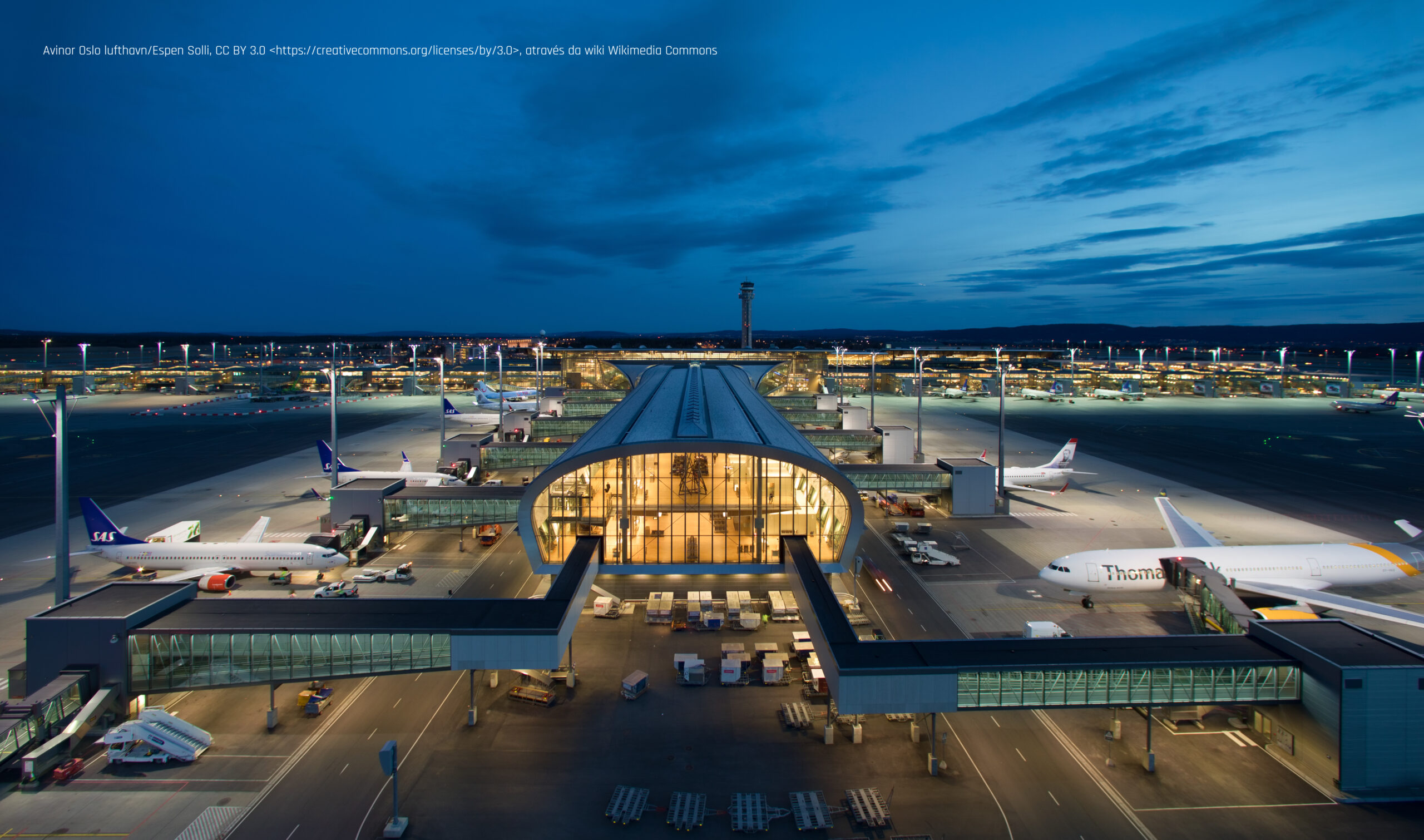
Oslo Airport Gardermoen serves as Norway’s primary international gateway and central aviation hub.
Located approximately 35 kilometres northeast of the city, the airport connects domestic, regional, and intercontinental routes within a structured airspace environment.
Its operational profile is defined by:
- Parallel runway operations
- Consistent traffic flow throughout the day
- High reliance on procedural efficiency
Private aviation operates within this system without being constrained by the congestion patterns seen in other major European hubs.
General facts about Airport Gardermoen
| Faits | Détails |
|---|---|
| Code OACI | ENGM |
| Code IATA | OSL |
| Localisation | Oslo, Norway |
| Distance du centre-ville | ~35 km |
| Altitude | ~208 m |
| Pistes | 2 parallel runways |
| Piste la plus longue | ~3,600 meters |
| Type d'aéroport | Aéroport international d'entrée |
| Heures d'exploitation | 24 hours (with environmental restrictions) |
Private Aviation at Airport Gardermoen

FBOs dédiés
Access Oslo Exec Handling provides dedicated business aviation handling at Oslo Airport.
The airport operates a structured General Aviation terminal rather than multiple competing FBOs.
La coordination de l'assistance comprend :
- Aircraft parking and stand allocation
- Le traitement des passagers via des installations dédiées
- De-icing operations during winter conditions
- La gestion du ravitaillement en carburant et de la rotation
- Le soutien aux équipages et la logistique opérationnelle
From an operational perspective, efficiency is driven by organisation rather than infrastructure scale.
Passengers benefit from:
- Streamlined processing
- Direct aircraft access
- Minimal congestion compared to larger hubs
Our aviation specialists at Zadra coordinate closely with Acess Oslo Exec Handling to align ground operations with runway scheduling and seasonal conditions.
Capacités de la piste
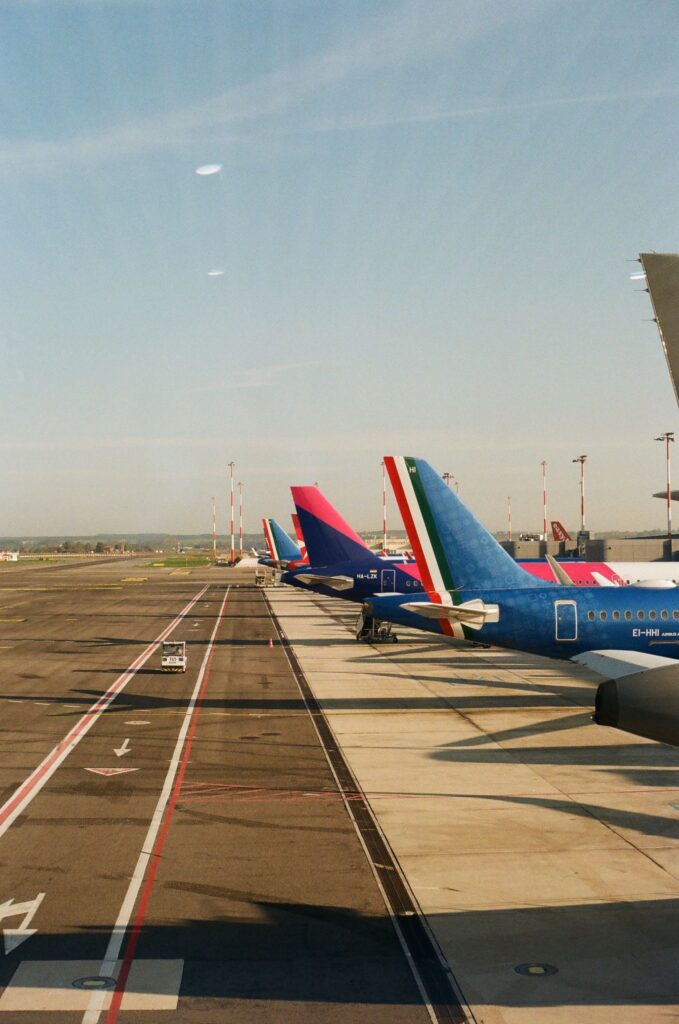
Oslo operates two parallel runways aligned to support simultaneous operations.
The longest runway measures approximately 3,600 meters, enabling:
- Les jets légers pour les routes régionales
- Midsize and super midsize jets for European missions
- Heavy and ultra-long-range jets for intercontinental operations
From a technical standpoint, runway capacity exceeds demand.
Operational focus shifts toward:
- Weather conditions during winter
- De-icing sequencing
- Low-visibility procedures
The airport is equipped with advanced instrument landing systems, allowing consistent operations even in reduced visibility conditions.

Why Charter to Oslo
Oslo is selected for reliability.
It provides:
- Direct access to Norway’s economic and governmental centre
- Efficient connectivity across Scandinavia
- Stable operational conditions throughout the year
From a real-world perspective, Oslo is often used as:
- A primary destination for business travel
- A gateway to remote Norwegian regions
- A strategic routing point for northern and transatlantic operations
Private aviation enables direct access to locations that are otherwise difficult to reach via commercial networks.

Transport Terrestre
Ground transportation from Oslo Airport is structured and efficient.
Typical transfer options include:
- Chauffeur-driven vehicles with travel times of 30 to 40 minutes to central Oslo
- High-speed rail connections linking the airport to the city
- Direct highway access for regional travel
Transport infrastructure is designed for reliability, with minimal variability compared to other major cities.
Our aviation specialists at Zadra coordinate ground logistics alongside flight planning to ensure a seamless transition from arrival to final destination.
Private Aviation at Airport Gardermoen
Yes. The airport supports heavy and ultra-long-range aircraft without limitation.
Seasonal weather conditions, particularly during winter operations.
Yes. It offers stable and predictable operations compared to many European hubs.
Yes. Advanced instrument systems allow operations in reduced visibility and adverse weather.


Trusted by our clients
4.9 / 5
Based on 1,328 verified reviews
Genève 
ZUG
 Une entreprise basée en Suisse
 En haut