





To avoid congestion and operate within a low-density, highly predictable environment.
Private Jet to/from London Ashford Airport (Lydd – LYX)
Sin concesiones. Precisión absoluta. Rentable.

nuestros servicios
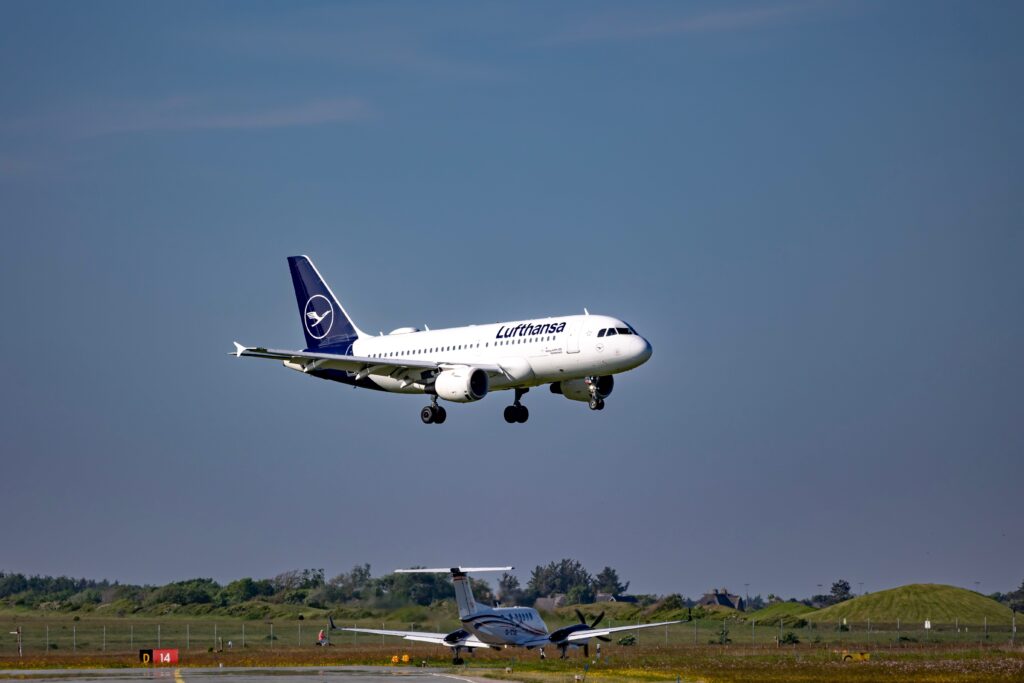
London Ashford Airport sits outside the high-pressure ecosystem of London’s main aviation hubs, offering a fundamentally different operating environment for private jet flights.
This is not an airport chosen for proximity to central London. It is chosen for control, predictability, and reduced airspace complexity. Our aviation specialists at Zadra evaluate Lydd as part of a broader routing strategy, where avoiding congestion can outweigh geographic convenience.
In practical terms, Lydd shifts the focus from access speed to operational clarity.

Descripción general del aeropuerto
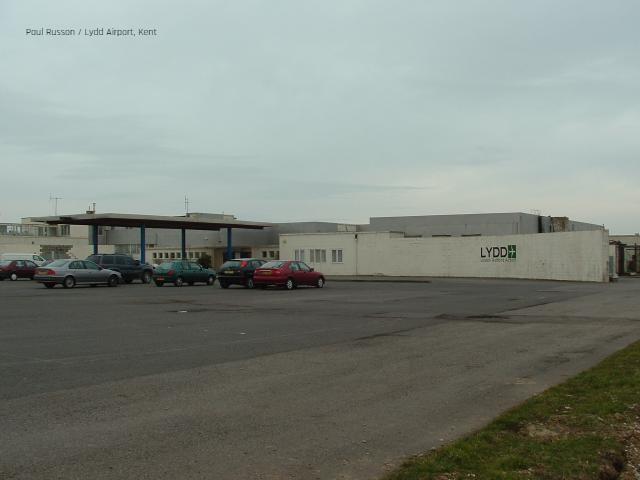
Located on the Kent coastline, London Ashford Airport operates in one of the least congested airspaces in south-east England. It functions primarily as a general aviation facility, with no sustained commercial traffic pressure.
This absence of airline activity creates a controlled environment where sequencing delays are rare, and ground movement remains efficient.
However, its positioning defines its role. Lydd is not embedded in London’s core aviation network. Instead, it operates as an outlying access point, better suited to regional connectivity than direct metropolitan access.
The airport’s value lies in what it avoids rather than what it offers in scale.
General facts about London Ashford Airport (Lydd – LYX)
| Datos | Detalles |
|---|---|
| Código ICAO | EGMD |
| Código IATA | LYX |
| Ubicación | Lydd, Kent, United Kingdom |
| Distance to Central London | ~120 km |
| Tipo de Aeropuerto | General Aviation |
| Longitud de la Pista | ~1,505 m |
| Pistas | 1 |
| Requisito de Slot | No requerida |
| Perfil de tráfico | Minimal |
Private Aviation at London Ashford Airport (Lydd – LYX)

FBOs Dedicados
London Ashford Airport Ltd operates all ground handling and business aviation services on-site at its facility in Lydd, Kent (TN29 9QL, United Kingdom).
There is no fragmented FBO landscape. Instead, handling is centralised and fully integrated into airport operations. This streamlined approach results in:
- Direct coordination between aircraft and ground teams
- Minimal procedural layering
- Faster turnaround cycles
Services include:
- Passenger and crew processing
- Fueling and aircraft servicing
- Flight support coordination
- Ground transport organisation
The simplicity of this handling model reflects the airport’s broader operational philosophy—prioritising efficiency, clarity, and responsive service within a single, unified structure.
Capacidades de la Pista
With a runway of approximately 1,505 meters, Lydd operates within a clearly defined performance envelope.
This influences every aspect of flight planning:
- Takeoff weight must be actively managed
- Range capability is linked to payload decisions
- The aircraft category becomes a primary constraint
Light jets operate efficiently within these limits. Midsize jets require more precise planning, particularly on longer sectors.
Larger aircraft are rarely viable without significant restrictions.
From an operational standpoint, the runway transforms Lydd into a selective airport rather than a universal one.

Why Charter via Lydd
Choosing Lydd is a strategic decision rather than a default option.
Clients typically select this airport when:
- Avoiding London airspace congestion is a priority
- Operational flexibility is more important than proximity
- The destination lies within Kent or southern England
For central London access, alternative airports often provide shorter transfer times. However, for specific routing strategies, Lydd can offer a cleaner operational profile.
It is not the closest option. It is the least constrained.

Transporte Terrestre
Ground transport becomes a defining factor when using Lydd.
Typical transfer considerations:
- Central London: approximately 1.5 to 2 hours by road
- Faster access via helicopter when required
- Rail connections available through Ashford International
The airport integrates well with regional transport infrastructure, but the distance must be factored into the total journey time.
Zadra coordinates ground transfers as part of the overall flight plan, ensuring continuity between air and ground segments.
Private Aviation at London Ashford Airport (Lydd – LYX)
Light jets and certain midsize jets, depending on payload and route distance.
No. Runway length limits long-range operations.
No. The airport operates without slot constraints.
It can be used, but travel time is significantly longer compared to closer airports.


La confianza de nuestros clientes
4.9 / 5
Basado en 1 328 opiniones verificadas
Ginebra 
ZUG
 Una empresa con sede en Suiza
 Ir arriba