





The runway length limits routine heavy and ultra-long-range jet operations. Larger aircraft typically operate from Le Bourget due to performance requirements.
Private Jet Charter to and from Pontoise-Cormeilles-en-Vexin Airport LFPT
Sin concesiones. Precisión absoluta. Rentable.

Private Jet Charter to and from Pontoise-Cormeilles-en-Vexin Airport LFPT
Private aviation in Paris requires precise airport selection. Aircraft category, runway performance, congestion levels and ground access all influence the outcome of a charter flight.
Pontoise-Cormeilles-en-Vexin Airport serves as a strategic secondary airport northwest of Paris, primarily supporting general and business aviation.
Our aviation specialists at Zadra evaluate whether LFPT aligns with your mission profile, passenger load and routing requirements before confirming aircraft availability. For short-haul European sectors, Pontoise can offer operational advantages compared to larger Paris hubs.
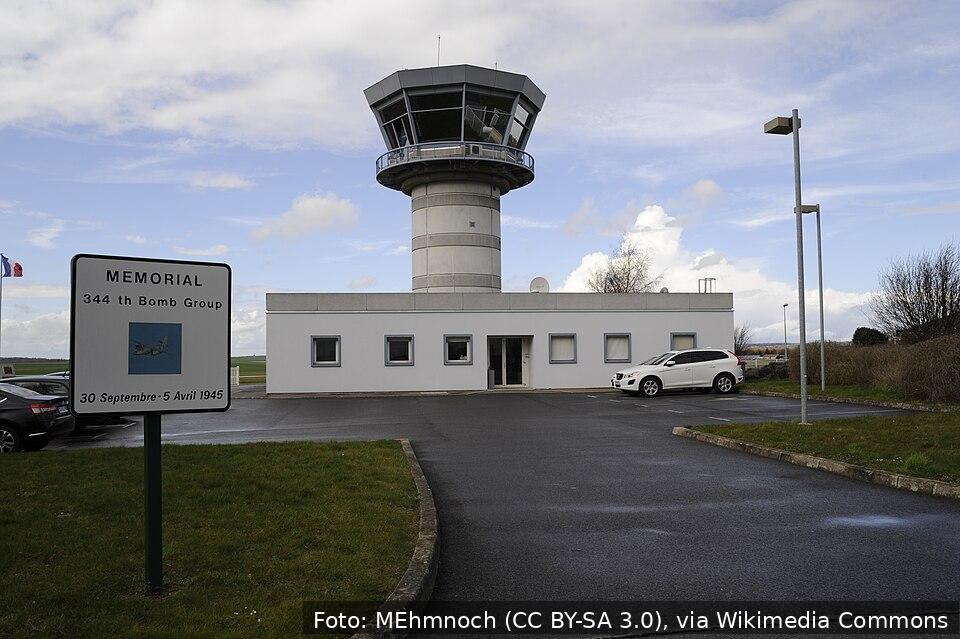
Pontoise-Cormeilles-en-Vexin Airport Overview and Strategic Positioning
Located approximately 40 kilometres from central Paris in the Val-d’Oise department, LFPT operates as a public general aviation airport.
Airport type influences traffic density. Traffic density influences taxi time and departure sequencing.
Unlike Paris Le Bourget Airport, which accommodates heavy intercontinental traffic, Pontoise primarily supports light and regional aircraft movements. From an operational perspective, this reduces ground congestion and can simplify short-notice departures to Europe.
LFPT is particularly relevant for clients travelling to:
- Northwest Paris
- La Défense business district
- Val-d’Oise and surrounding regions
Airport selection should match aircraft capability and mission distance rather than reputation alone.
General facts about Pontoise-Cormeilles-en-Vexin Airport LFPT
| Datos | Detalles |
|---|---|
| Código ICAO | LFPT |
| Código IATA | POX |
| Ubicación | Cormeilles-en-Vexin, Île-de-France, France |
| Distancia al centro de París | Approx. 40 km |
| Tipo de Aeropuerto | Public General Aviation |
| Primary Traffic | Business and Private Aviation |
| Aduana | Available with prior coordination |
Private Aviation at Pontoise-Cormeilles-en-Vexin Airport LFPT
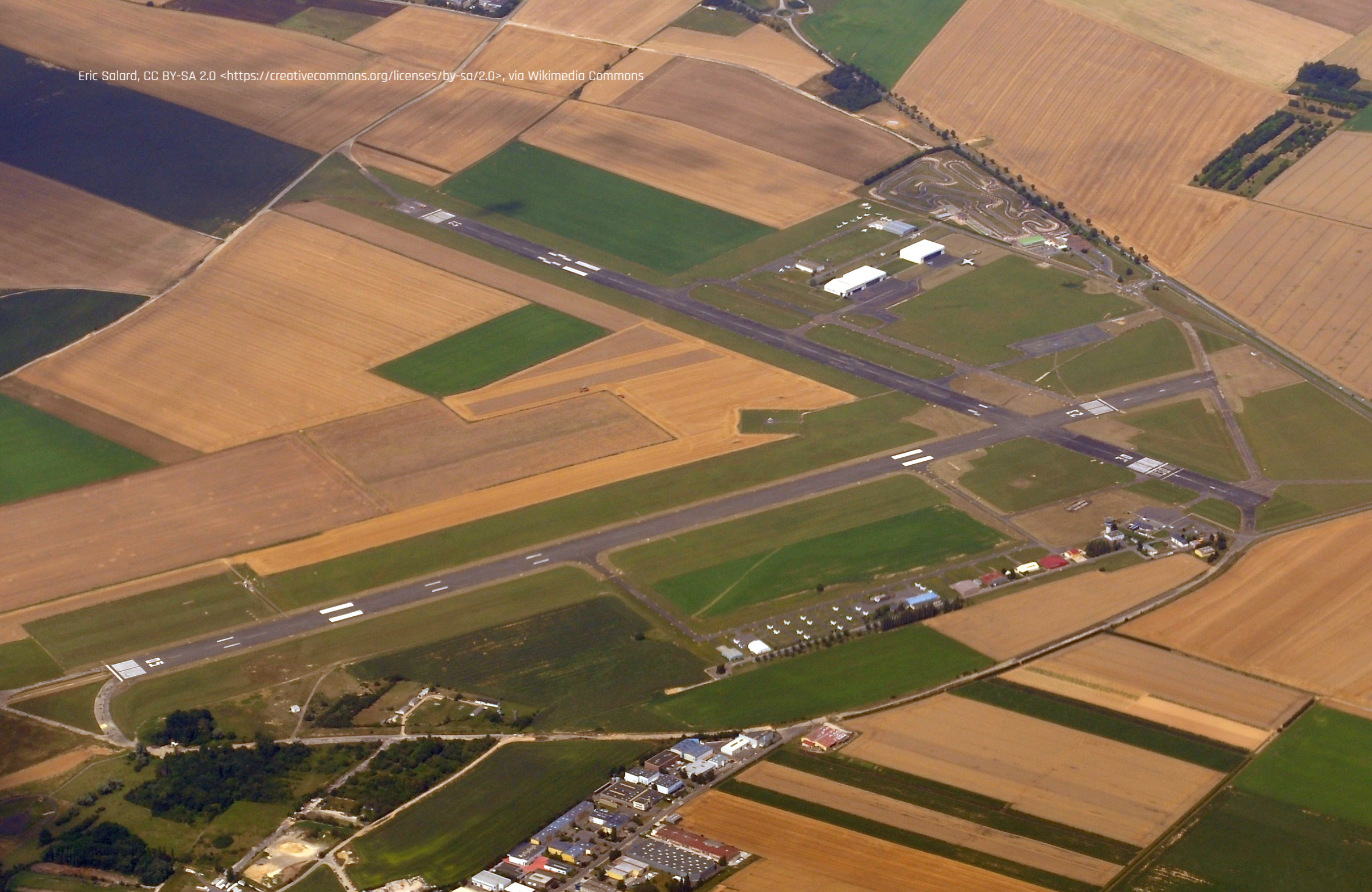
FBO and Ground Handling Services at Pontoise-Cormeilles-en-Vexin Airport
Ground handling coordination influences passenger experience and departure timing.
FBO Address:
L Aérodrome
95830 Cormeilles-en-Vexin
Francia
Services typically include:
- Aircraft parking and marshalling
- Passenger lounge facilities
- Crew rest areas
- Fuel coordination
- Customs processing with advance notice
LFPT does not replicate the scale of Le Bourget’s VIP infrastructure. However, reduced apron congestion can result in faster boarding and more direct aircraft access.
Passenger flow efficiency often compensates for infrastructure scale.
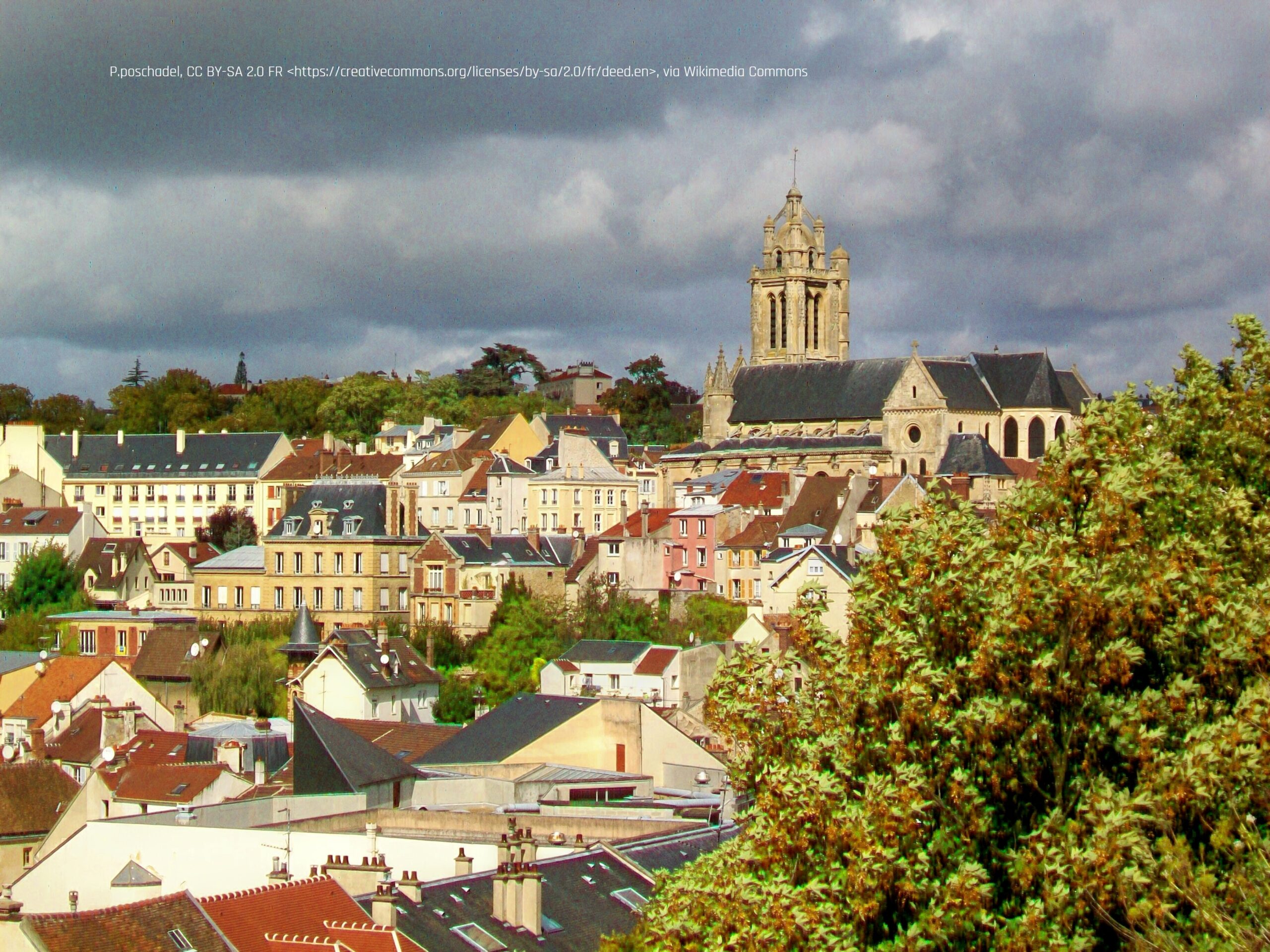
Runway Performance and Aircraft Compatibility at LFPT
LFPT features a runway of approximately 1,650 metres.
Runway length determines aircraft category compatibility.
Suitable aircraft categories include:
- Turbopropulsores
- Jets muy ligeros
- Jets Ligeros
- Certain midsize jets with operational planning
Super midsize and heavy jets generally require longer runway performance margins and therefore operate from Le Bourget or other major Paris airports.
During the summer months, high ambient temperatures reduce takeoff performance margins. During winter, de-icing requirements influence departure timing.
Aircraft selection must consider:
- Balanced field length
- Fuel planning
- Climb gradients
- Alternate airport strategy
- Reservas de combustible reglamentarias
From an advisory perspective, runway analysis precedes pricing discussions.

Why Choose Pontoise-Cormeilles-en-Vexin for Private Jet Charter
Airport choice influences schedule reliability, ground time and cost structure.
LFPT is appropriate when:
- Operating short-haul European sectors
- Using light or very light aircraft
- Prioritising flexibility over prestige positioning
- Seeking alternatives during peak congestion at Le Bourget
During major Paris events, primary airports experience slot pressure and parking constraints. Secondary airports can provide operational resilience and improved scheduling control.
Selecting Pontoise is a technical decision based on mission profile alignment.
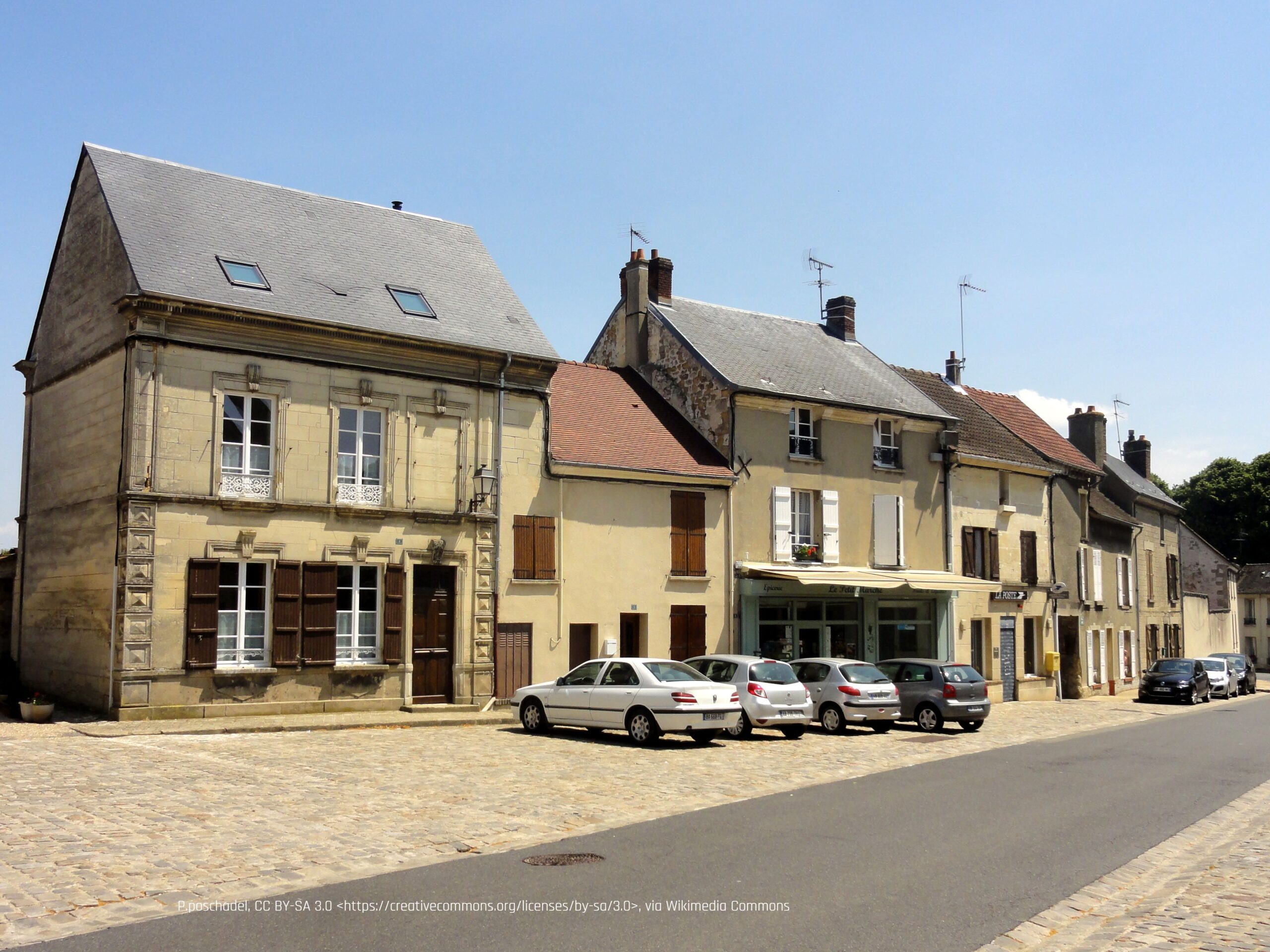
Ground Transportation from LFPT to Paris
Ground transfer time from LFPT to central Paris typically ranges from 45 to 75 minutes, depending on traffic conditions.
Ground transport influences total journey time.
Nuestros especialistas en aviación de Zadra coordinan:
- Executive chauffeur services
- Security-cleared drivers upon request
- Cross-border road transfers
- Integrated helicopter connections when operationally feasible
Ground logistics are synchronised with flight arrival to ensure seamless passenger flow.
Private Aviation at Pontoise-Cormeilles-en-Vexin Airport LFPT
Yes, but customs clearance requires prior coordination. International arrivals must be arranged in advance with handling agents and border authorities.
Very Light Jets and Light Jets are operationally suitable for this route. Aircraft selection depends on passenger count, baggage requirements and seasonal conditions.
LFPT is not subject to the same level of slot coordination as major Paris airports. However, event-driven traffic may influence parking availability.
Aircraft availability varies by season and the Paris event calendar. During standard periods, short-notice sourcing is often possible. During peak demand, earlier planning improves aircraft selection and cost predictability.
La confianza de nuestros clientes
4.9 / 5
Basado en 1 328 opiniones verificadas
Ginebra 
ZUG
 Una empresa con sede en Suiza
 Ir arriba