





Jets vs Turboprops: Which Aircraft Is Right for You?
When you book a private flight, one of the first choices is the type of aircraft.
Should you fly on a jet or a turboprop?
Both are popular in private aviation. However, they work differently, and each one has clear advantages depending on your route, your group and your destination.
En Zadra Aviation Charter, we often help clients compare jets vs turboprops before they book. In many cases, the best option is not the most obvious one.
So, what are the real differences between these two aircraft types?
Let’s take a closer look.
What Is a Turboprop?
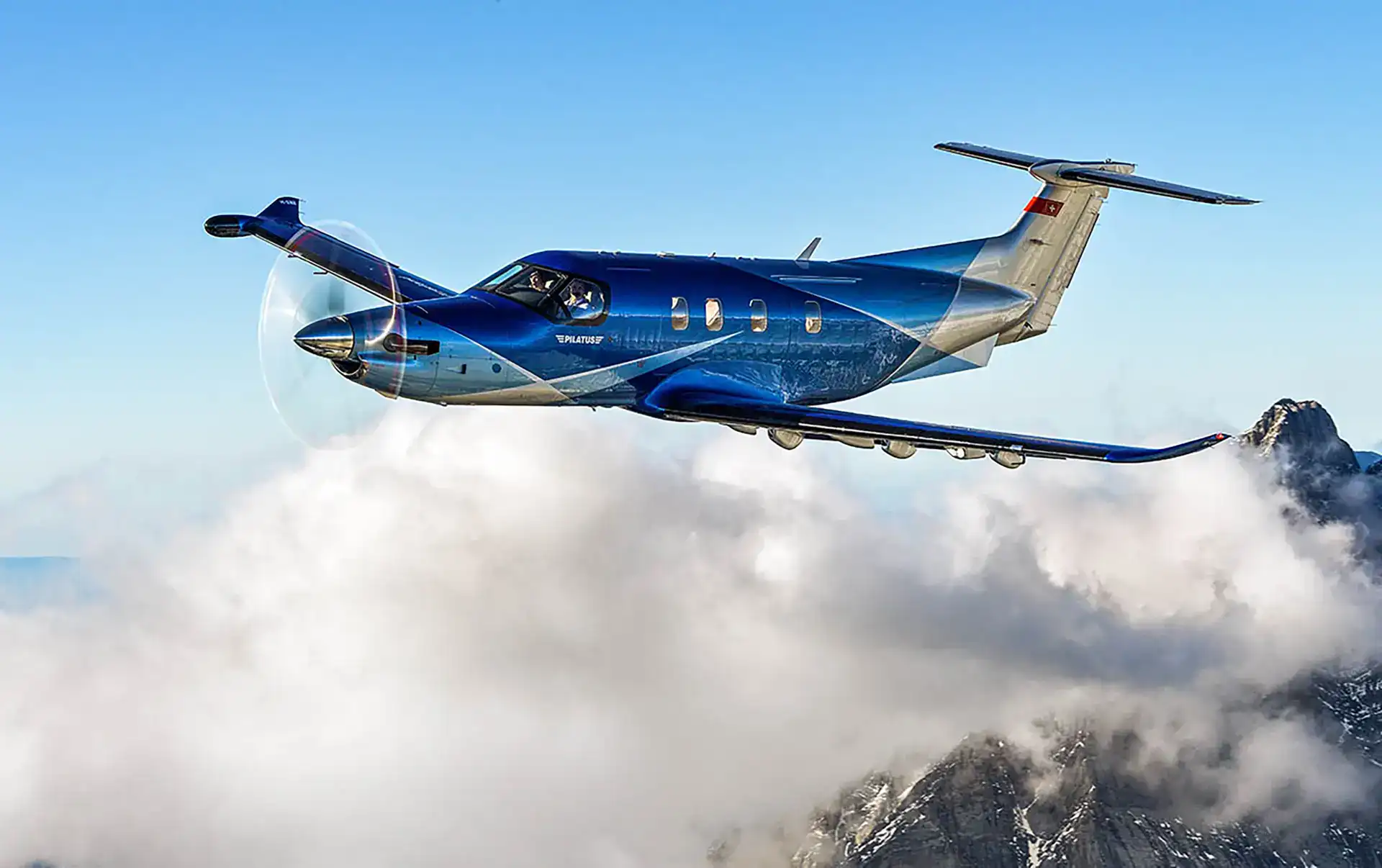
A turboprop is an aircraft powered by a turbine engine that drives a propeller.
Although the engine is similar in principle to a jet engine, most of its power is used to turn the propeller rather than to create thrust directly.
Modern turboprops are very different from older propeller aircraft. They are reliable, comfortable and well suited to short and medium-distance flights.
Popular turboprops in private aviation include:
- Pilatus PC-12 (built in Switzerland)
- Beechcraft King Air 350
- Piaggio P.180 Avanti
What Is a Private Jet?
A private jet is powered by jet engines, usually turbofans, which produce thrust directly.
As a result, jets fly faster and higher than turboprops and are designed to cover longer distances.
Private jets range from small light jets to large long-range aircraft. If you would like to understand the different jet categories, our guide to [Tipos de aviones privados explicados: ligeros, medianos, supermedianos y pesados] covers each class in detail.
Popular private jets include:
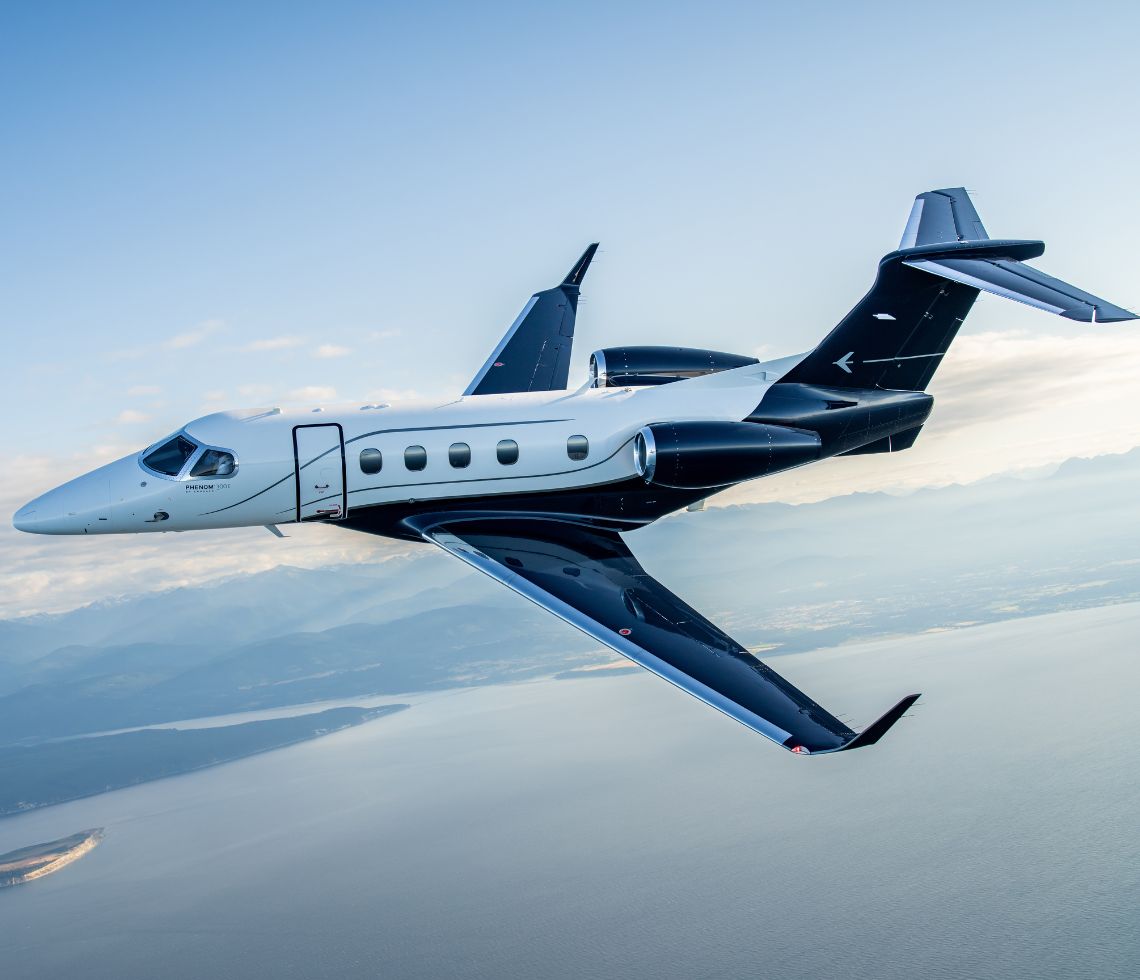
- Embraer Phenom 300
- Cessna Citation CJ3
- Bombardier Challenger 350
- Gulfstream G650
Jets vs Turboprops: The Main Differences at a Glance
Figures are indicative and vary by aircraft model and configuration.
Speed: How Much Faster Are Jets?
Jets are faster. This is one of the most important differences.
However, on short routes, the time difference is often smaller than many travellers expect.
For example, on a flight of around 500 km, a turboprop may arrive only 15 to 20 minutes after a light jet. In addition, the extra time can be recovered if the turboprop lands at an airport closer to your final destination.
On longer flights, the difference becomes much more noticeable. Therefore, jets are usually the better choice for flights of more than two hours.
Range: How Far Can Each Aircraft Fly?
Range depends on the specific aircraft, the number of passengers and the luggage on board.
As a general guide:
- Turboprops are ideal for regional flights of up to around 1,500 km, although some models can fly further.
- Light jets typically cover around 2,000 to 3,500 km.
- Midsize and heavy jets can fly much longer distances, including transatlantic routes.
To learn more about distances and fuel stops, read our guide [Alcance de las aeronaves explicado: ¿Qué tan lejos pueden volar los aviones privados?].
Airport Access: Where Turboprops Stand Out
This is where turboprops have a real advantage.
Many turboprops can operate from shorter runways. Some can even use gravel or grass strips.
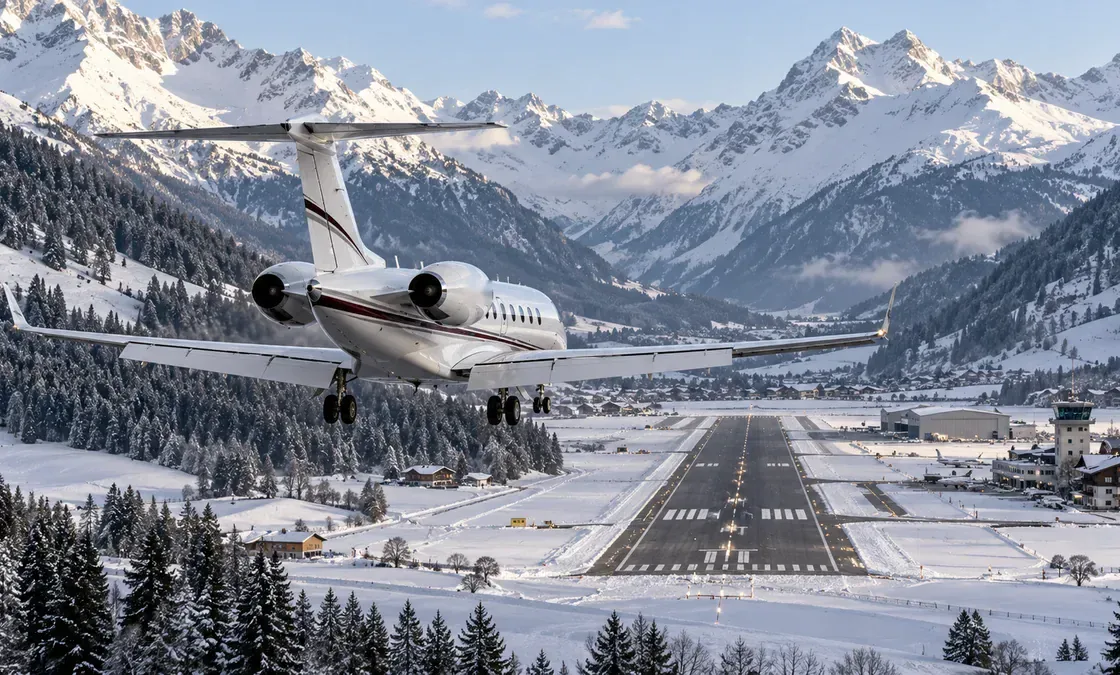
As a result, they can reach airports that are not accessible to most jets, such as smaller regional airfields and mountain airports.
A well-known example is Courchevel Altiport in the French Alps. Its very short, sloped runway can be used by certain turboprops with specially qualified pilots, but not by private jets.
Being able to land closer to your destination can make a significant difference to your overall journey. It can also reduce the time spent on ground transfers.
Private flights also use dedicated terminals known as FBOs. Learn more about [what an FBO is and why it matters for your private jet journey].
Comfort and Cabin Experience
Both aircraft types can offer a comfortable cabin.
Jets fly higher, above much of the weather. This often results in a smoother flight. Jet cabins are also generally quieter, especially on midsize and larger aircraft.
Turbopropulsores fly at lower altitudes, so they may experience more turbulence in some weather conditions. However, modern turboprops have well-insulated cabins, and some models offer cabin space comparable to a light jet.
For example, the Pilatus PC-12 is known for its spacious cabin and large cargo door, which makes it practical for skis, golf bags and other bulky items.
If luggage is important for your trip, our guide to [Private Jet Luggage & Cargo Capacity] explains what you can typically bring on board.
Cost: Is a Turboprop Cheaper Than a Jet?
In most cases, yes.
Turboprops are generally more fuel-efficient on short routes and usually have lower hourly operating costs. For regional flights, this can make them a very cost-effective choice.
Jets usually cost more per hour. However, on longer routes, their higher speed means fewer flight hours, which can reduce the difference.
The final price depends on the route, aircraft, flight time, positioning and airport fees. For a full overview, read [¿Cuánto cuesta un jet privado? Desglose completo por tipo de jet, distancia y uso].
Are Turboprops as Safe as Jets?
Both turboprops and jets are certified and operated under strict aviation regulations.
Safety depends on many factors, including the operator, the crew, maintenance standards and operational procedures, not simply on the type of engine.
To learn more, read our guide [Private Jet Safety: Everything You Need to Know Before You Fly].
When Should You Choose a Turboprop?
A turboprop may be the best option if you are:
- Flying a short or medium-distance route
- Traveling to a smaller regional or mountain airport
- Looking for a cost-effective private flight
- Flying with bulky luggage or sports equipment
- Traveling as a small group
Example: a weekend trip from Zurich to a ski resort in the Alps.
When Should You Choose a Jet?
A jet may be the better choice if you are:
- Flying longer distances
- Traveling between major business cities
- Looking for maximum speed
- Wanting a higher cruising altitude and a smoother ride
- Flying internationally across several countries
Example: a business trip from Geneva to London, or a holiday flight from Zurich to Dubai.
How to Choose the Right Aircraft for Your Charter
The right choice depends on your itinerary rather than on the aircraft type alone.
When you request a charter, consider:
1. Distance
How far are you flying, and do you need a fuel stop?
2. Destination airport
Is the closest airport suitable for jets, or only for smaller aircraft?
3. Passengers and luggage
How many people are travelling, and what will you bring?
4. Budget
Is cost efficiency or maximum speed more important for this trip?
5. Comfort
Do you prefer a larger cabin, or is a compact aircraft sufficient?
En Zadra Aviation Charter, we compare jets vs turboprops for every request and recommend the aircraft that best matches your route, schedule and budget.
If you are booking for the first time, our [step-by-step guide to booking a private jet] explains how the process works.
For an overview of the European business aviation sector, you can also visit the European Business Aviation Association.
Request Your Private Flight
Whether you need a fast jet for an international business trip or a turboprop for a short flight into the Alps, Zadra Aviation Charter can help you find the right aircraft.
Contact Zadra Aviation Charter to discuss your private jet charter requirements.
Preguntas frecuentes
What is the main difference between jets and turboprops?
Jets use jet engines and fly faster and higher. Turboprops use a turbine engine to drive a propeller and are ideal for shorter flights and smaller airports.
Is a turboprop slower than a jet?
Yes. However, on short routes, the time difference is often only a few minutes, especially if the turboprop can land closer to your destination.
Are turboprops cheaper to charter than jets?
Turboprops usually have lower hourly operating costs, which often makes them more cost-effective for regional flights.
Can turboprops land at smaller airports?
Yes. Many turboprops can operate from shorter runways, including some mountain and regional airports that are not accessible to jets.
Can private jets fly to smaller airports?
Often, yes. Private aircraft can access many regional airports that don’t have regular commercial airline service, provided the airport is suitable for the aircraft and the necessary requirements can be met.
Which is more comfortable, a jet or a turboprop?
Jets generally offer a quieter and smoother flight because they fly at higher altitudes. However, modern turboprops also provide a comfortable cabin, especially on short flights.

Puestos relacionados
Jets vs. Turboprops: Complete Differences & Comparison Guide
Jet or turboprop? Discover the main differences in speed, range, cabin comfort, airport access and cost, and find out which aircraft is right for your next private flight.

Jets vs. Turboprops: Complete Differences & Comparison Guide
Jet or turboprop? Discover the main differences in speed, range, cabin comfort, airport access and cost, and find out which aircraft is right for your next private flight.

 Una empresa con sede en Suiza
