





Yes. The airport supports all aircraft categories, including ultra-long-range jets.
Private Jet to/from London Stansted Airport (STN)
Keine Kompromisse. Maximale Präzision. Wirtschaftlich effizient.

our services
London Stansted Airport operates as one of the few London-area airports where infrastructure rarely limits private jet operations.
Here, the constraint is not aircraft capability but system coordination. Private flights are integrated into a high-density traffic environment where slot timing, ground capacity, and sequencing define feasibility. Our aviation specialists at Zadra approach Stansted as a planning-driven airport, where preparation directly impacts execution.
In practice, Stansted delivers scale, but not spontaneity.

Airport overview
Positioned northeast of London, Stansted functions as a major international gateway with continuous airline activity and a parallel business aviation ecosystem.
Unlike smaller executive airports, it operates within a structured traffic flow, where commercial movements shape runway usage and departure sequencing. This creates a predictable but tightly managed operating environment.
The airport’s infrastructure supports long-haul aviation, wide-body aircraft, and 24-hour operations. At the same time, its scale introduces variables such as taxi times and slot dependencies.
Stansted is not optimised for speed of access. It is optimised for operational capacity.
General facts about London Stansted Airport (STN)
| Fact | Details |
|---|---|
| ICAO Code | EGSS |
| IATA Code | STN |
| Location | London, United Kingdom |
| Distance to Central London | ~60 km |
| Airport Type | Major International |
| Runways | 1 |
| Runway Length | ~3,048 m |
| Slot Requirement | Mandatory |
| Operating Hours | 24/7 |
| Traffic Profile | High |
Private Aviation at London Stansted Airport (STN)
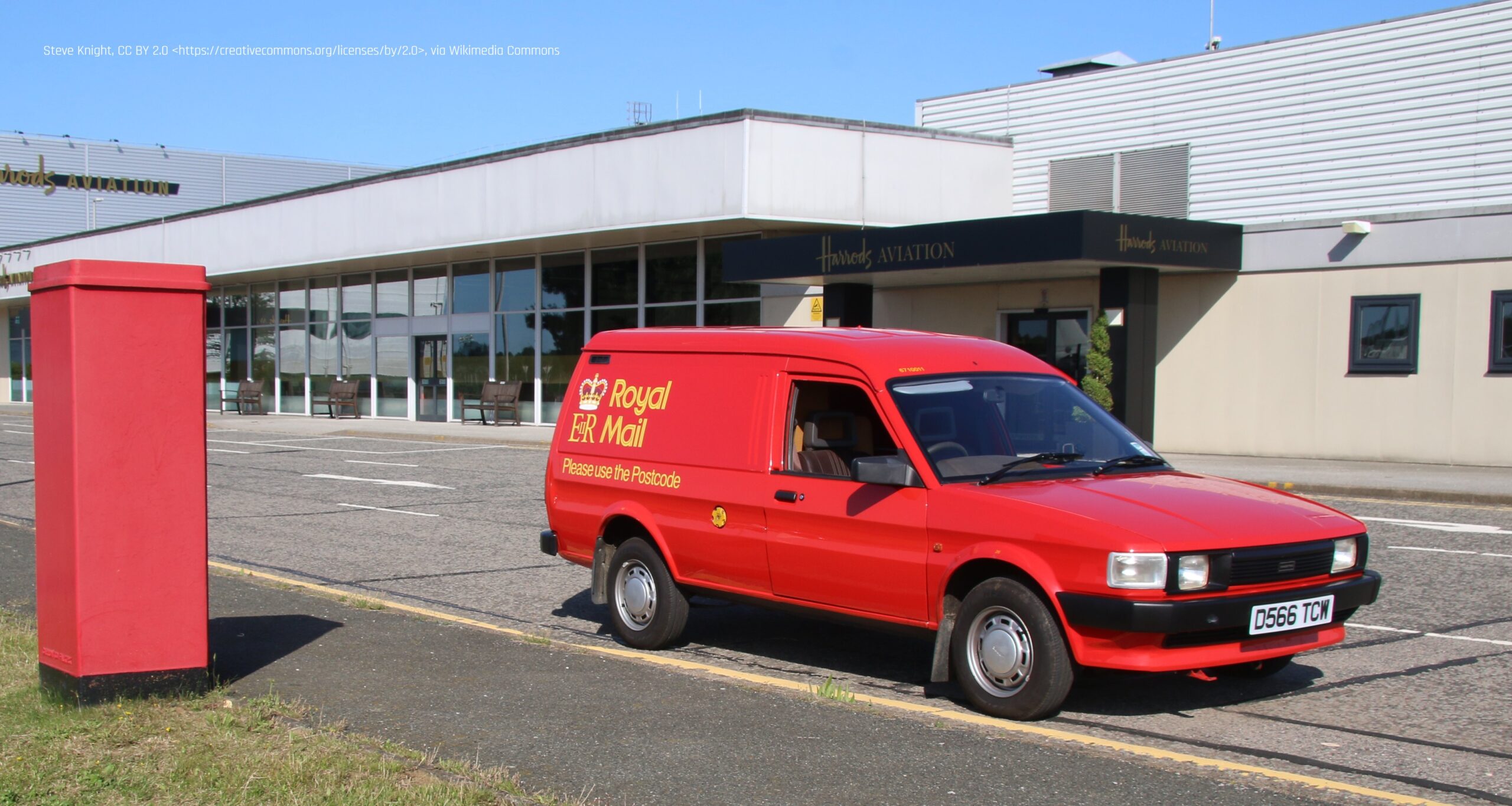
Dedicated FBOs
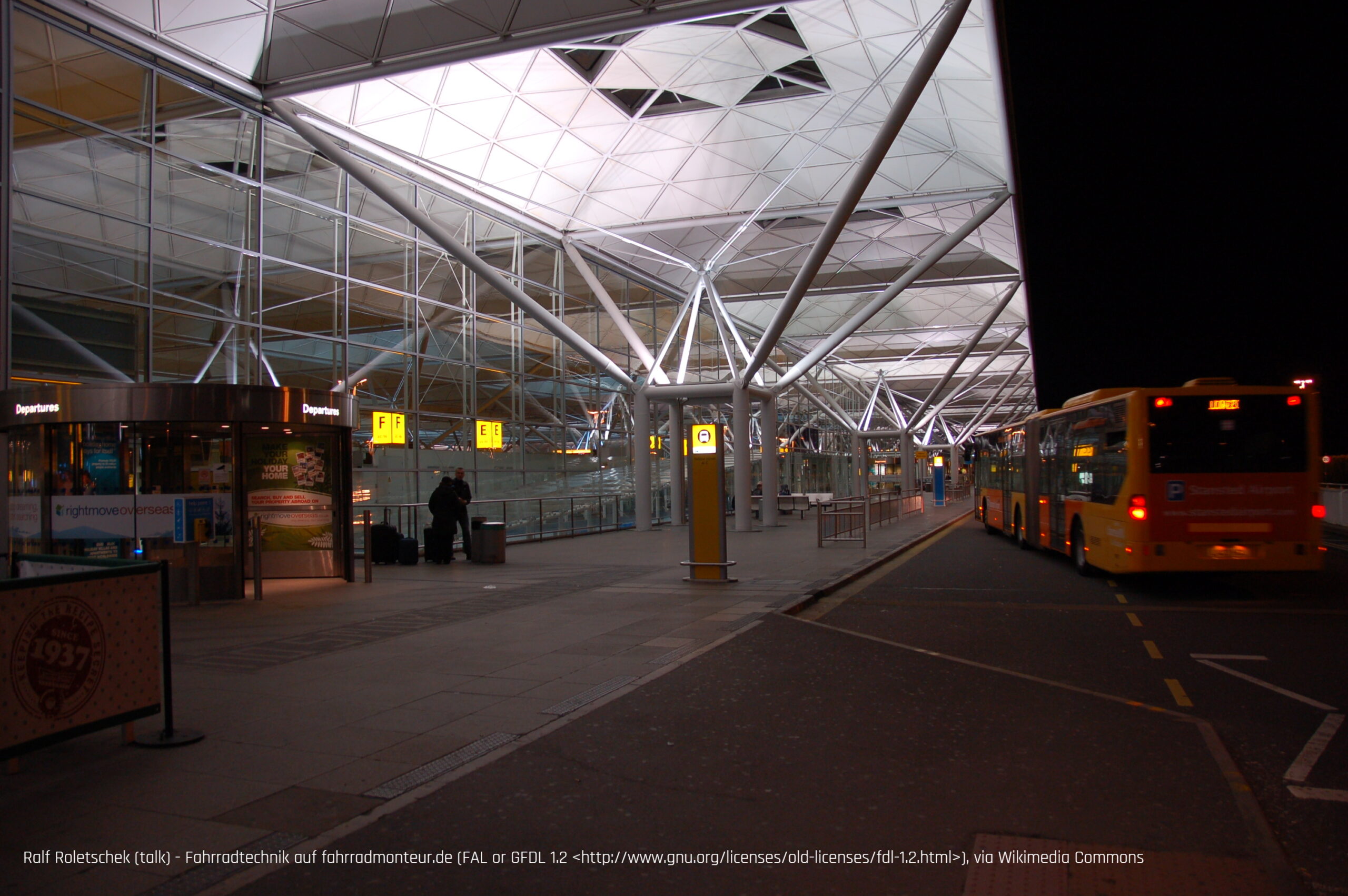
Runway Capabilities
Stansted operates a runway approximately 3,048 meters long, supporting unrestricted operations across all aircraft categories, including full-payload departures for long-haul flights, heavy and ultra-long-range jet operations, and compatibility with wide-body aircraft. From a performance standpoint, runway length is not a limiting factor. Operational constraints instead relate to slot allocation, traffic sequencing, and airport ground movement. The runway enables capability, but access is governed by system management.
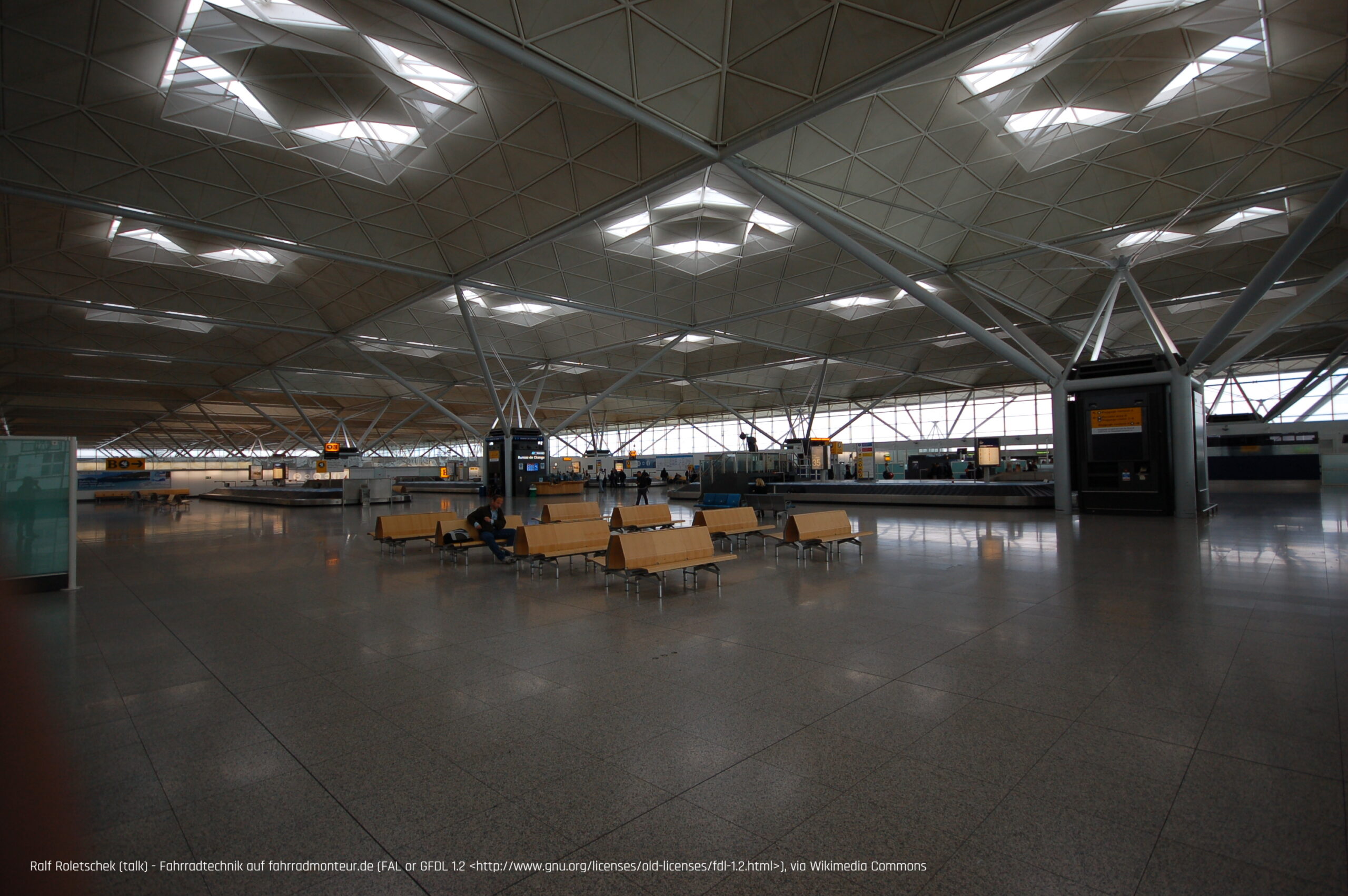
Why Charter via Stansted
Stansted is selected when the mission requires capability rather than flexibility. Private jet clients typically use the airport for long-haul departures and arrivals, aircraft repositioning and parking, and operations requiring 24-hour availability. It is particularly relevant when larger aircraft are required, when other London airports lack availability, or when scheduling must align with global routing. For short-haul or high-flexibility missions, alternative airports may be more efficient. For complex operations, Stansted provides the necessary infrastructure.
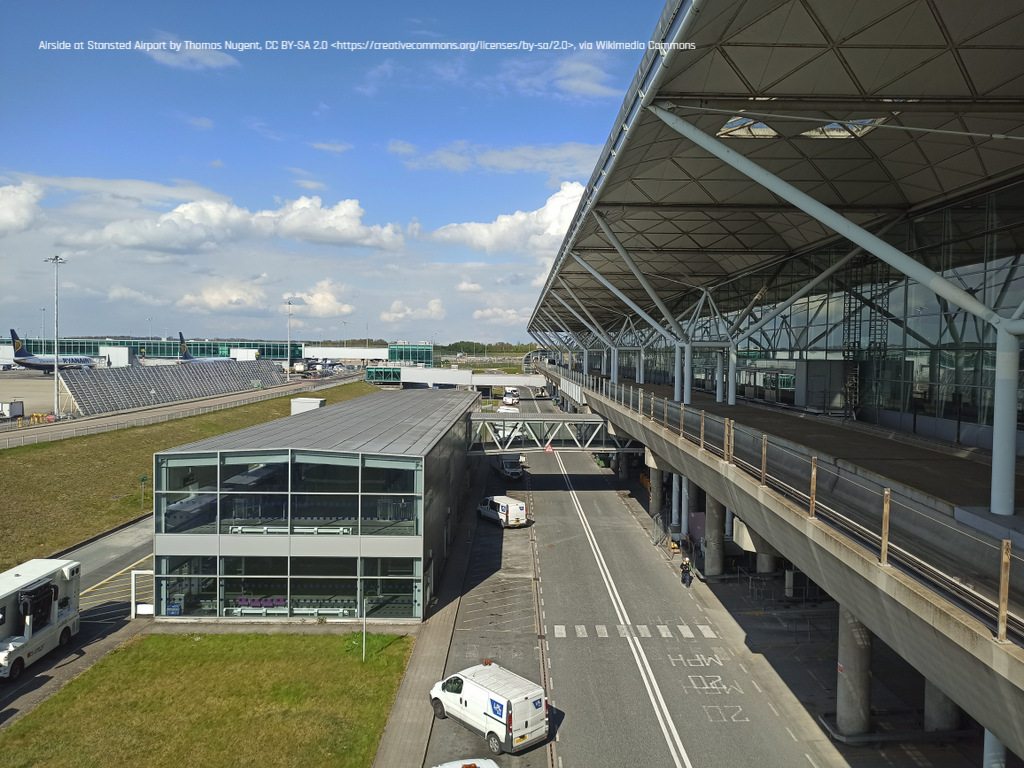
Ground Transportation
Ground logistics from Stansted must be considered as part of the overall journey planning. Typical options include chauffeur-driven vehicles with transfer times of 60 to 90 minutes to central London, direct rail access via Stansted Express, and helicopter transfers for reduced travel time. The airport’s distance from central London is balanced by strong transport connectivity. Zadra coordinates all onward transport to align with flight schedules and passenger requirements.
Private Aviation at London Stansted Airport (STN)
Slot coordination and traffic sequencing are the primary factors.
Possible, but subject to slot availability and traffic conditions.
Yes. It operates continuously, making it suitable for global itineraries.
It offers infrastructure, availability, and capability for complex or long-haul operations.



Trusted by our clients
4.9 / 5
Based on 1,328 verified reviews
Genf 
ZUG
 Ein Schweizer Unternehmen
 Nach oben