





Private jet flights typically arrive at Pisa International Airport, which serves as the main aviation gateway to Tuscany.
Private Jet Charter to and from Pisa International Airport (San Giusto)
Keine Kompromisse. Maximale Präzision. Wirtschaftlich effizient.

our services
Tuscany attracts a steady flow of international visitors, from executives attending meetings in Florence to travellers exploring coastal resorts and historic towns across the region. For many of these journeys, private aviation offers a practical alternative to airline connections, particularly when itineraries involve multiple destinations.
Private aircraft can connect directly to regional European airports, while flexible charter schedules allow travellers to move between cities without relying on fixed airline timetables.
At Zadra Aviation Charter, our specialists arrange private jet flights to and from Pisa by carefully evaluating aircraft performance, airport procedures, and each passenger’s itinerary. In charter operations across Italy, airports near historic city centres often strike an efficient balance between international accessibility and short ground transfer times.

Airport Overview
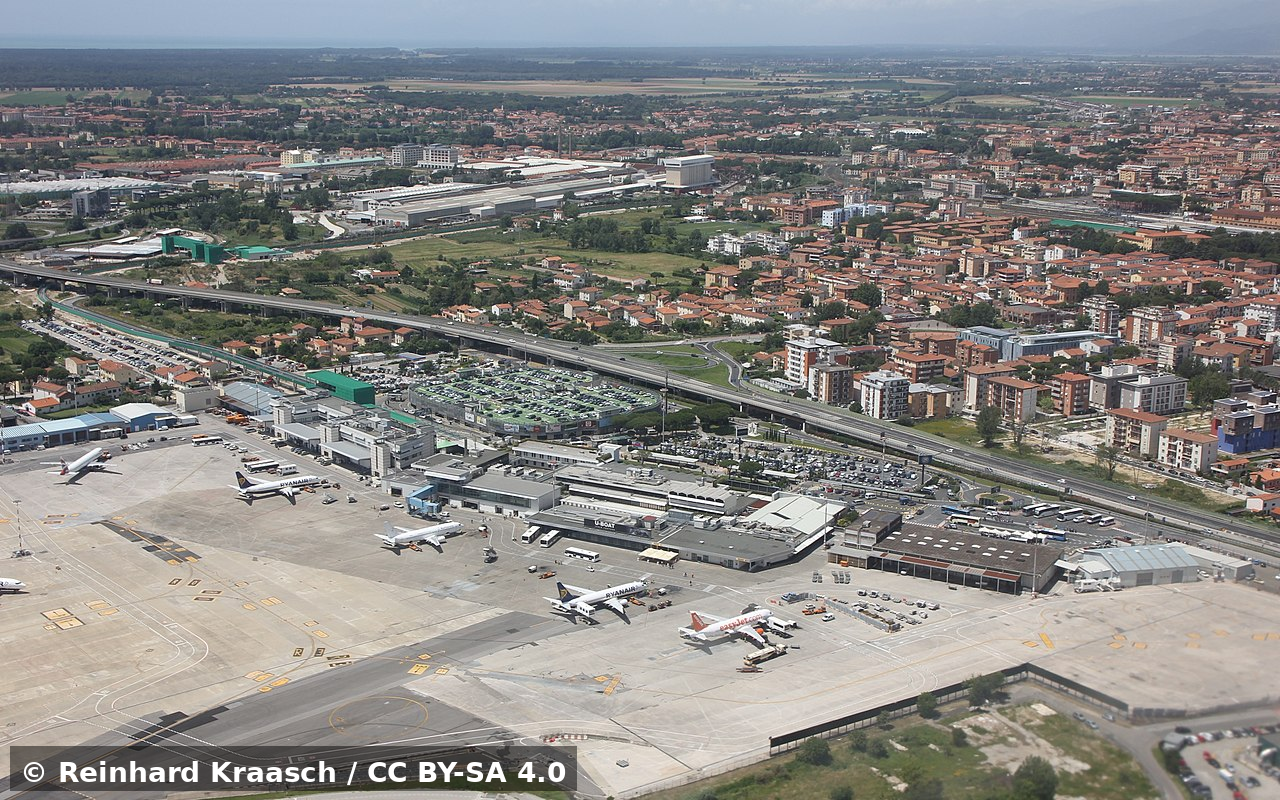
Pisa International Airport, commonly known as Galileo Galilei Airport, serves as one of the main aviation gateways to the Tuscany region. Located just south of the city of Pisa, it allows travellers to reach the historic centre within a short drive.
Regional airports positioned near major cultural destinations play a key role in supporting both tourism and business aviation traffic, while international airports in Tuscany provide convenient access to multiple cities within a relatively compact region.
In addition to handling civilian passenger traffic, the airport also accommodates military aviation activity linked to Italian Air Force transport operations. This dual-use environment requires careful coordination to manage both civilian and military aircraft movements efficiently.
From a charter planning perspective, Pisa’s location makes it a practical arrival point for travellers intending to visit several destinations across Tuscany.
General facts about Pisa International Airport (San Giusto)
| Fact | Details |
|---|---|
| Airport Name | Pisa International Airport (Galileo Galilei) |
| IATA Code | PSA |
| ICAO Code | LIRP |
| Location | Pisa, Tuscany, Italy |
| Distance to City Centre | Approx. 4 km |
| Airport Elevation | About 2 meters above sea level |
| Airport Type | Civil airport with military operations |
| Role | Primary aviation gateway to Tuscany |
Private Aviation at Pisa International Airport (San Giusto)

Dedicated FBOs
Private aircraft operating at Pisa International Airport rely on specialised ground handling providers dedicated to supporting business aviation flights. These providers oversee both aircraft services and passenger assistance, while ground crews coordinate key activities such as refuelling, catering, and aircraft parking.
Typical services available to private jet passengers include reception areas for arrivals, aircraft refuelling and technical support, baggage handling with passenger escort, catering arrangements for departing flights, and operational support for flight crews.
Efficient ground handling is especially important when aircraft are required to depart promptly for subsequent charter flights or repositioning operations.
Runway Capabilities
The airport operates parallel runways designed to accommodate a wide range of aircraft categories. Runway infrastructure plays a central role in determining takeoff and landing performance, while runway length directly influences an aircraft’s ability to depart with optimal fuel loads.
The longest runway extends to nearly three kilometres, allowing operations for most aircraft types used in private aviation. This includes turboprops on short regional routes, light jets serving nearby European cities, midsize and super-midsize jets operating across Europe and the Mediterranean, as well as larger business jets capable of longer international sectors.
Instrument navigation procedures further support reliable arrivals and departures under varying weather conditions, helping maintain consistent operational performance.

Why Charter to Pisa
Pisa’s location within Tuscany makes it a practical entry point for travellers planning to explore the region. Regional airports provide convenient access to multiple destinations within a relatively short distance, while private aviation enables flexible, multi-stop itineraries across Italy.
From Pisa, travellers can easily reach well-known destinations such as Florence, Lucca, and the Tuscan coastline. Private jet travel makes it possible to combine several stops within a single journey—something that would require far more complex coordination when relying on commercial airlines.
For those visiting Tuscany for both business and leisure, this flexibility can significantly simplify overall travel planning.
Ground Transportation
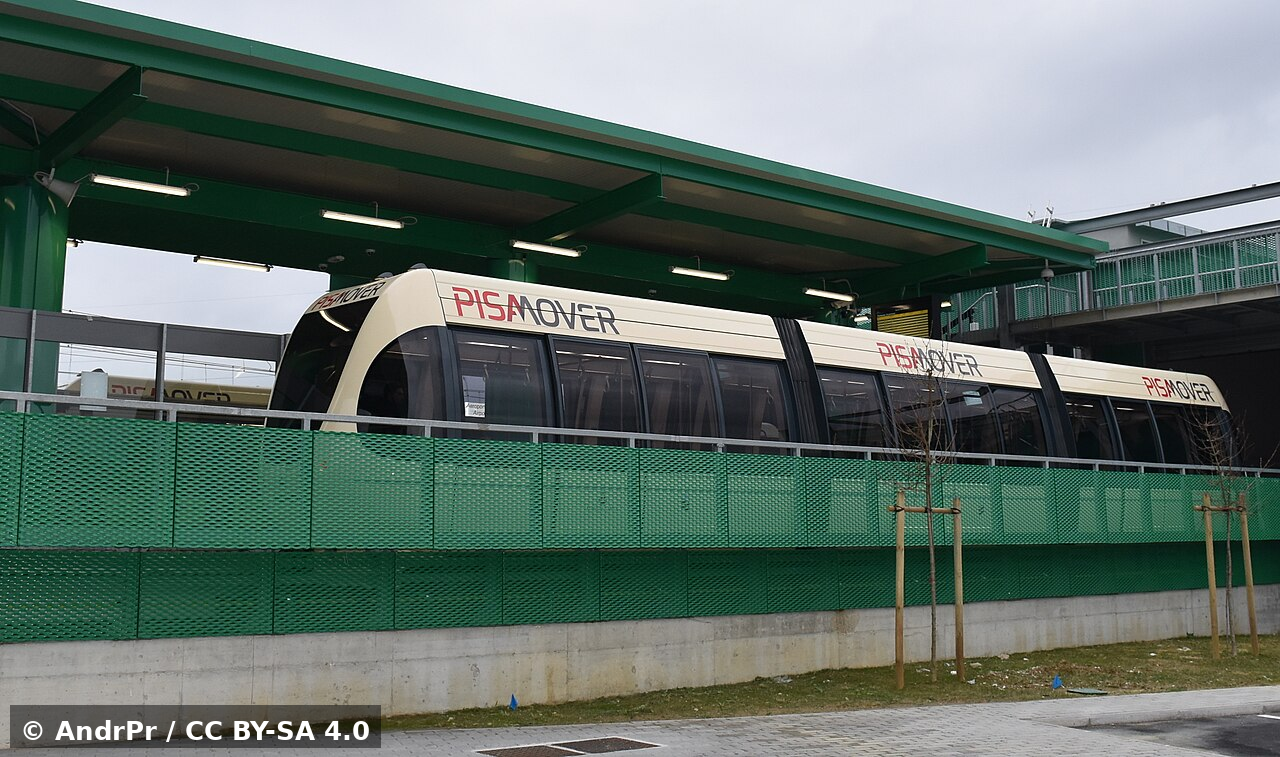
Ground transportation is an important element of any private jet journey, as the airport location directly influences how quickly passengers can reach their final destination. Executive travellers typically arrange chauffeur services in advance to ensure a smooth and efficient transfer.
With Pisa International Airport located just a few kilometres from the city centre, transfers into central Pisa are generally quick and straightforward. For those travelling further into Tuscany, passengers often rely on chauffeur-driven vehicles, luxury sedans or SUVs, and private transfers to nearby cities such as Florence or Lucca.
At Zadra Aviation Charter, our specialists coordinate ground transportation alongside flight planning, ensuring passengers can move seamlessly from aircraft arrival to their next destination.
Private Aviation at Pisa International Airport (San Giusto)
Yes. The airport’s runway length allows operations for many categories of business jets used in private aviation.
The airport is located roughly four kilometres from the historic centre of Pisa, allowing relatively quick road transfers.
The airport provides convenient access to several destinations across Tuscany, including Florence, Lucca, and coastal resorts.
In real charter operations, flights are typically arranged several days in advance to secure aircraft availability and coordinate ground handling services.


Trusted by our clients
4.9 / 5
Based on 1,328 verified reviews
Genf 
ZUG
 Ein Schweizer Unternehmen
 Nach oben