





It depends on the mission. It offers maximum capability, but not always maximum efficiency.
Private Jet to/from Miami International Airport (MIA)
Keine Kompromisse. Maximale Präzision. Wirtschaftlich effizient.

our services
Miami International Airport is not always the fastest option for private aviation in South Florida, but it is often the most capable.
Within a region that includes multiple private jet airports, Miami International sits at the top of the hierarchy in terms of infrastructure, runway performance, and global connectivity. Our aviation specialists at Zadra evaluate MIA as part of a wider airport strategy, where aircraft size, route distance, and international requirements determine whether it becomes the optimal choice.
In practice, this is an airport selected when operational demands exceed what smaller airports can accommodate.
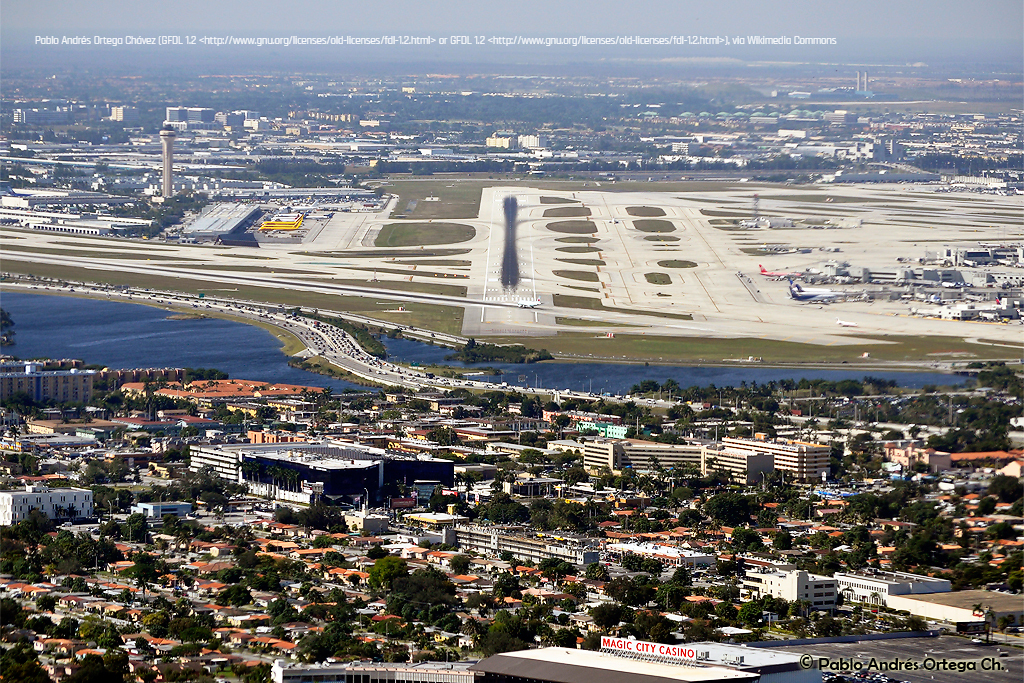
Airport overview
Miami International Airport operates as one of the busiest international gateways in the United States, with a strong concentration of traffic between North America, Latin America, and Europe.
Unlike dedicated business aviation airports, MIA functions within a high-density airline system where private jets must integrate into a continuous flow of scheduled traffic.
The airport’s scale brings both advantages and trade-offs. It offers extensive infrastructure, multiple runways, and full international capability, but also introduces longer taxi times and more structured movement sequencing.
From an operational perspective, MIA prioritises throughput and global access rather than flexibility.
General facts about Miami International Airport (MIA)
| Fact | Details |
|---|---|
| ICAO Code | KMIA |
| IATA Code | MIA |
| Location | Miami, Florida, United States |
| Distance to Downtown Miami | ~13 km |
| Airport Type | Major International |
| Runways | 4 |
| Longest Runway | ~3,967 m |
| Operating Hours | 24/7 |
| Slot Requirement | Not typically required |
| Traffic Profile | Very high |
Private Aviation at Miami International Airport (MIA)
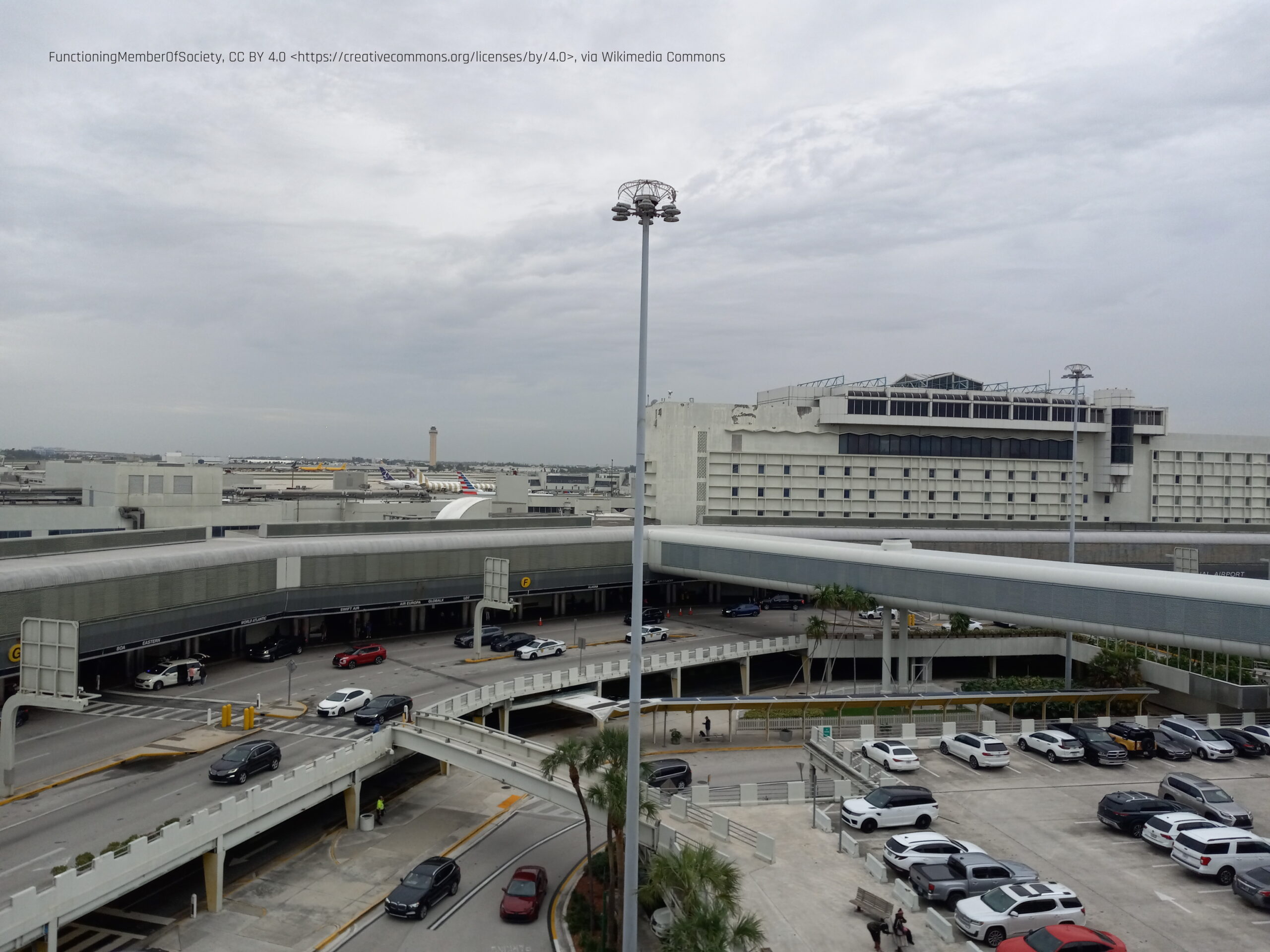
Dedicated FBOs
Signature Aviation Miami provides dedicated business aviation handling within the airport.
The FBO operates as a controlled interface between private jet activity and the wider airport system, offering:
- Private passenger lounges and crew facilities
- Aircraft fueling and technical servicing
- On-site customs and immigration clearance
- Coordination of international and high-frequency movements
The facility is designed to handle a large volume of private jet traffic while maintaining separation from commercial terminals.
Zadra coordinates directly with Signature Aviation to align aircraft handling, passenger processing, and departure timing.
Location:
Signature Aviation
5700 NW 36th Street
Miami, FL 33122
Vereinigte Staaten
Runway Capabilities
Miami International operates four runways, with the longest extending to approximately 3,967 meters.
This enables:
- Full payload intercontinental departures
- Operations of heavy jets and VIP airliners
- High-performance operations under all standard conditions
From a technical standpoint, runway length and infrastructure impose no limitations.
Operational considerations instead include:
- Taxi times due to airport size
- Traffic sequencing during peak periods
- Ramp positioning and parking allocation
The airport offers maximum capability within a complex operational framework.
Why Charter via Miami International
Miami International is chosen when operational requirements demand scale.
Private jet clients use MIA for:
- Long-haul flights from Europe, South America, and beyond
- Aircraft that require maximum runway performance
- Direct international arrivals with customs clearance
It becomes particularly relevant when:
- Aircraft size exceeds the limits of smaller airports
- Routing requires a major international gateway
- Passenger itineraries involve global connectivity
From a planning perspective:
MIA anchors private aviation operations within the Miami region, while smaller airports provide flexibility.
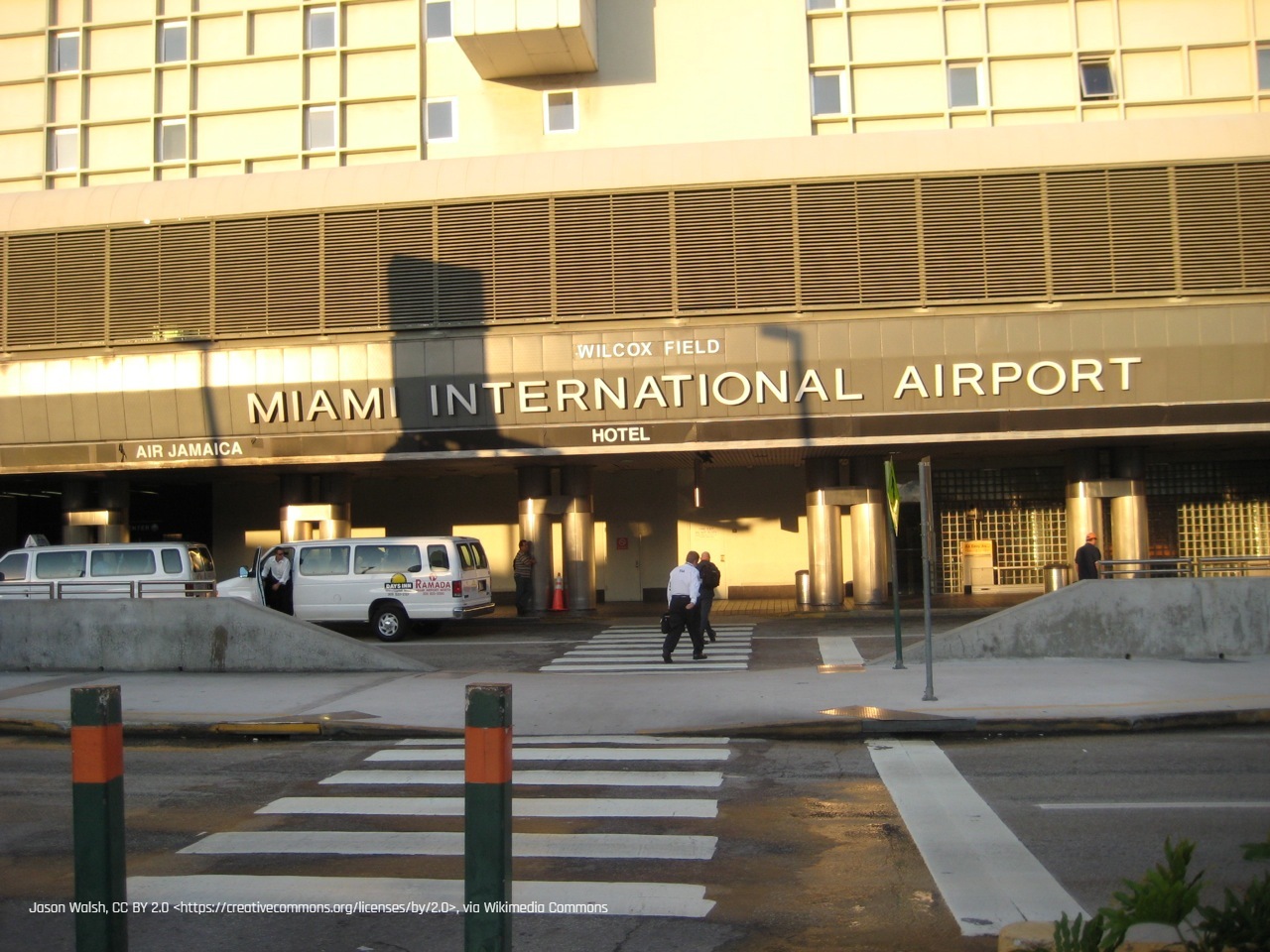
Ground Transportation
Ground transport from Miami International is efficient due to its central location within the metropolitan area.
Typical transfer times:
- Downtown Miami: approximately 15–20 minutes
- Miami Beach: approximately 20–25 minutes
Available options include:
- Chauffeur-driven vehicles
- Private transfers
- Helicopter connections to regional destinations
The airport provides direct access to both business districts and leisure destinations.
Zadra coordinates all ground transport to ensure seamless onward travel.
Private Aviation at Miami International Airport (MIA)
Yes. The airport supports all aircraft categories, including ultra-long-range jets.
For larger aircraft, long-haul routes, and direct international operations.
Traffic density can increase taxi times and affect sequencing.
Yes. It is one of the main long-haul private aviation gateways in the United States.
Trusted by our clients
4.9 / 5
Based on 1,328 verified reviews
Genf 
ZUG
 Ein Schweizer Unternehmen
 Nach oben