





Yes. The airport supports all aircraft categories without performance limitations.
Private Jet to/from Malta International Airport (MLA)
Nessun compromesso. Precisione assoluta. Conveniente.

i nostri servizi
Malta International Airport operates within a closed geographic system where all air traffic converges into a single airport.
Private jet operations here are not constrained by runway capability, but by concentration. Every arrival, departure, and turnaround shares the same infrastructure, creating a controlled environment where timing becomes the primary variable. Our aviation specialists at Zadra plan each flight by aligning slot availability, seasonal demand, and onward logistics across the island.
In practice, Malta is an airport where coordination replaces flexibility.

Airport overview paragraph
Malta International Airport serves as the sole aviation gateway to the Maltese archipelago, located just south of Valletta.
Unlike mainland airports, there are no alternative fields to redistribute traffic. This creates a unique operational model where all commercial, cargo, and private aviation movements are centralised.
Despite this concentration, infrastructure is modern and capable, supporting high volumes of international traffic. The airport operates continuously and maintains strong connectivity across Europe, North Africa, and the eastern Mediterranean.
Its geographic position places it at the intersection of multiple air corridors, increasing traffic density during peak travel periods.
From an operational perspective, Malta is defined by density within a confined system.
General facts about Malta International Airport (MLA)
| Fatto | Dettagli |
|---|---|
| Codice ICAO | LMML |
| Codice IATA | MLA |
| Posizione | Luqa, Malta |
| Distance to Valletta | ~5 km |
| Tipo di aeroporto | I viaggi internazionali |
| Piste | 1 |
| Lunghezza della pista | ~3,544 m |
| Requisito dello slot | Richiesto |
| Orari di apertura | 24/7 |
| Profilo di traffico | High (seasonal peaks) |
Private Aviation at Malta International Airport (MLA)
FBO dedicati
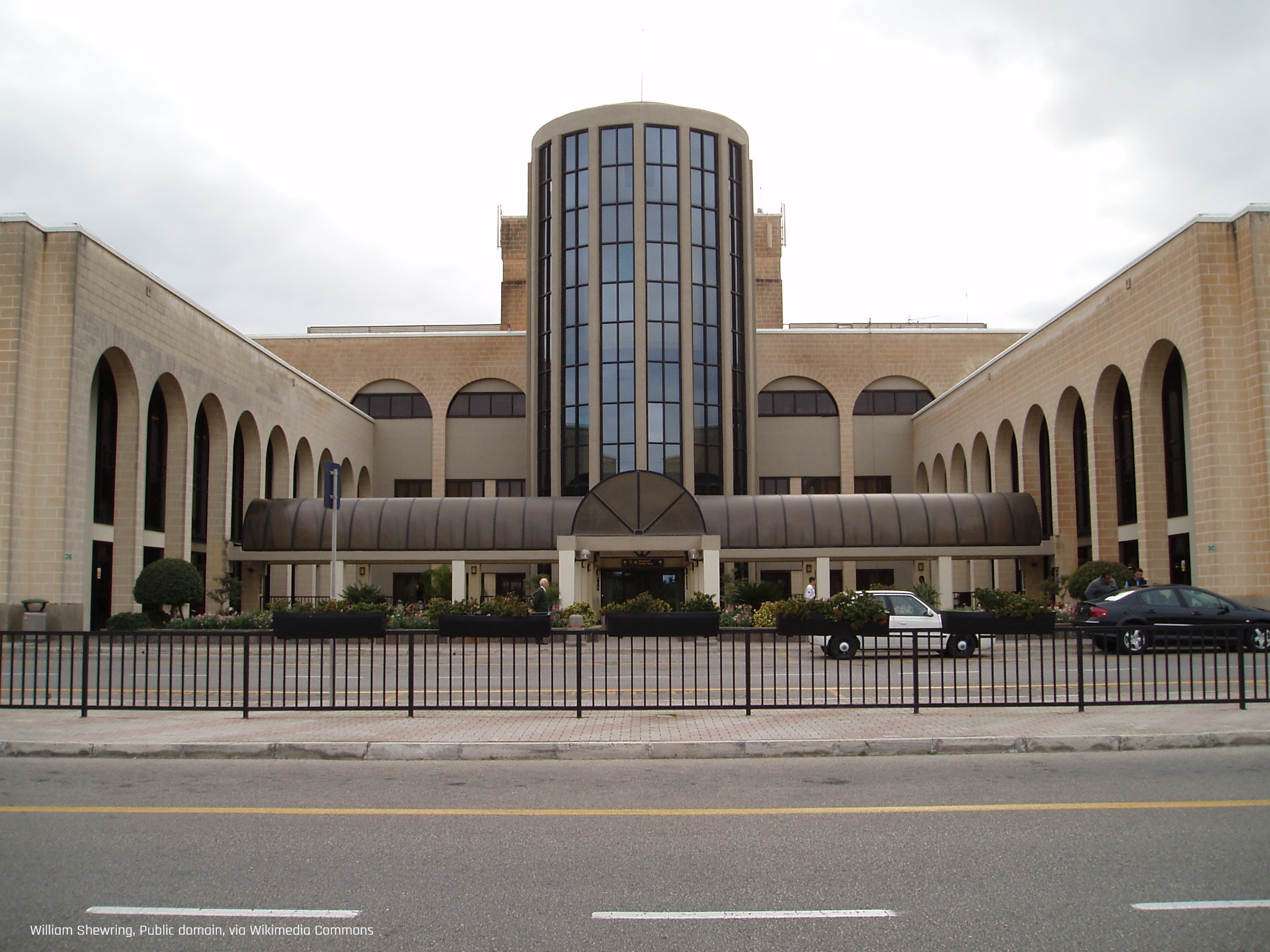
DC Aviation Malta provides dedicated business aviation services at Malta International Airport. The FBO operates as a fully integrated private aviation terminal within a high-traffic airport environment, enabling complete separation from commercial passenger flows while maintaining efficiency and discretion.
The facility offers private lounges and crew amenities, aircraft fueling, and technical support, along with on-site customs and immigration clearance. It is designed to accommodate a continuous flow of private jet movements while ensuring consistent, high-quality service.
Zadra coordinates directly with DC Aviation Malta to align aircraft handling, passenger processing, and slot timing, ensuring seamless operations for each movement.
Address:
DC Aviation Malta
Malta International Airport
PO Box 23, Gudja
LQA 5000 Valletta
Malta

Capacità della pista
Malta’s runway, measuring approximately 3,544 meters, provides unrestricted capability across all aircraft categories.
Questo consente:
- Intercontinental operations
- Full payload departures for heavy jets
- Consistent performance under standard conditions
From a technical standpoint, runway length is not a limiting factor.
Operational constraints instead relate to:
- Slot availability
- Ground movement efficiency
- Traffic sequencing within a single-runway system
The airport delivers full performance capability, but within a structured flow.
Why Charter via Malta
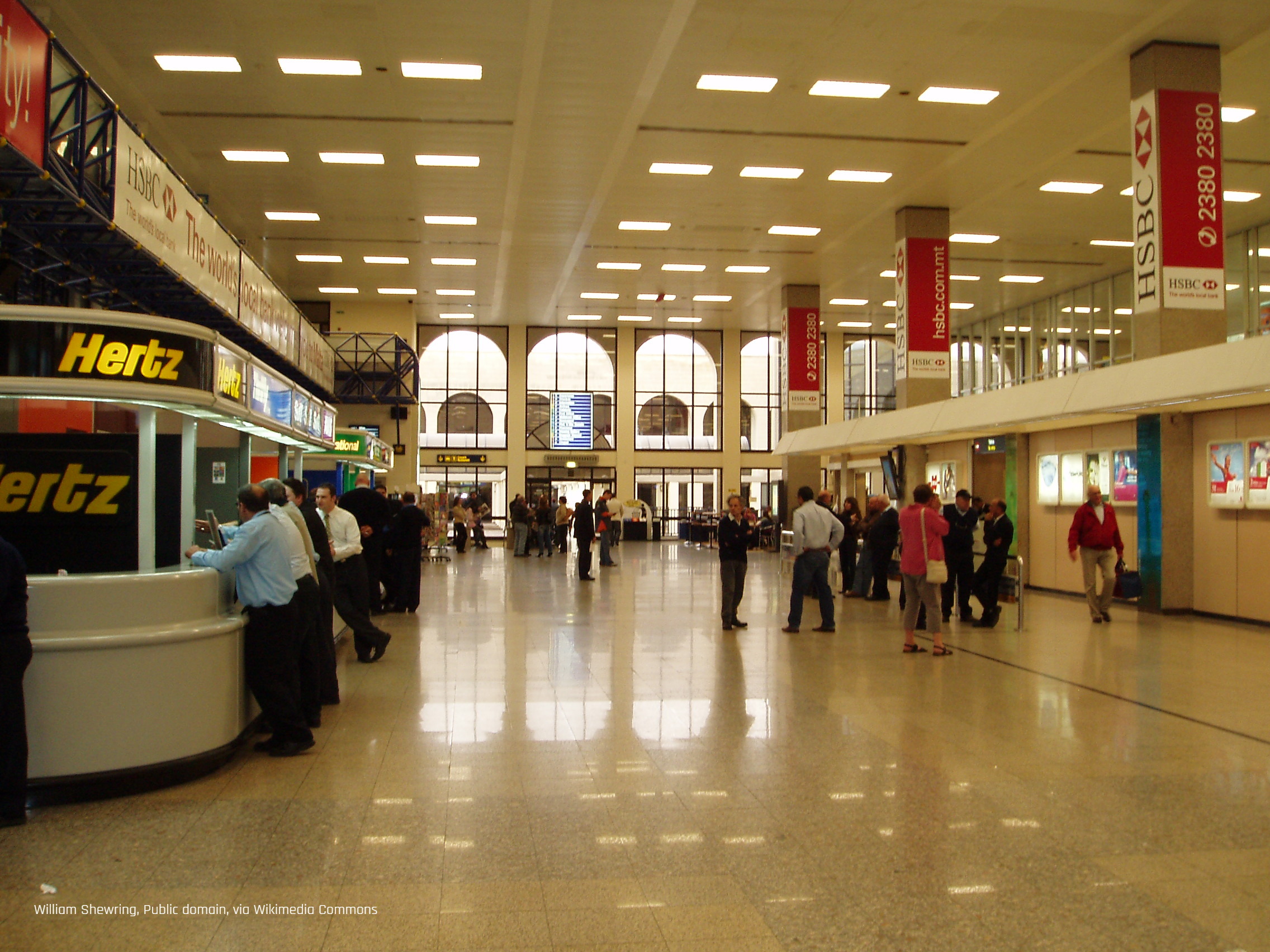
Malta functions as both a destination and a coordination point within the Mediterranean.
Private jet clients use Malta for:
- Direct access to a high-density leisure destination
- Integration with yachting itineraries
- Routing between Europe, North Africa, and the Middle East
Its position allows efficient multi-leg planning, particularly for itineraries involving multiple regions.
From a planning perspective:
Malta simplifies routing across complex geographic zones by acting as a central anchor.

Trasporto terrestre
Ground transport in Malta is influenced by the island’s compact geography.
Typical transfer profile:
- Valletta: approximately 15 minutes
- Coastal resorts and marinas: 20–30 minutes
Le opzioni disponibili includono:
- Veicoli con conducente
- Trasferimenti privati
- Yacht transfers and marina coordination
- Trasferimenti in elicottero quando necessario
Distances are short, but traffic can increase during peak tourism periods.
Zadra coordinates all ground logistics to ensure continuity between arrival and onward travel.
Private Aviation at Malta International Airport (MLA)
Slot availability, particularly during peak travel seasons.
Yes. The runway supports intercontinental operations with full payload capability.
All traffic is centralised into a single airport, increasing coordination requirements.
Approximately 5 kilometres, with short transfer times.


Apprezzato dai nostri clienti
4.9 / 5
Sulla base di 1.328 recensioni verificate
Ginevra 
Zug
 Un'azienda con sede in Svizzera
 Torna in alto