






A Fixed Base Operator (FBO) is a licensed aviation service provider at an airport that supports private and business aircraft by managing fueling, parking, ground handling, passenger services, and crew operations outside commercial airline terminals.
In private aviation, the aircraft is only one part of the journey. What happens on the ground often determines whether a flight is efficient, seamless, and secure or delayed, costly, and frustrating. This is where FBOs play a defining role.
While they are often associated with luxury lounges and concierge services, their real importance lies in operational infrastructure. Without FBOs, modern private aviation would not function.
Key Takeaways
- FBOs are the operational backbone of private aviation, not just premium terminals
- The right FBO can reduce delays, control costs, and improve safety
- FBO quality directly affects passenger experience and crew performance
- Dienstleistungen, pricing, and standards vary significantly between FBOs
- Choosing an FBO is a strategic decision, not a minor detail
What Exactly Is an FBO?
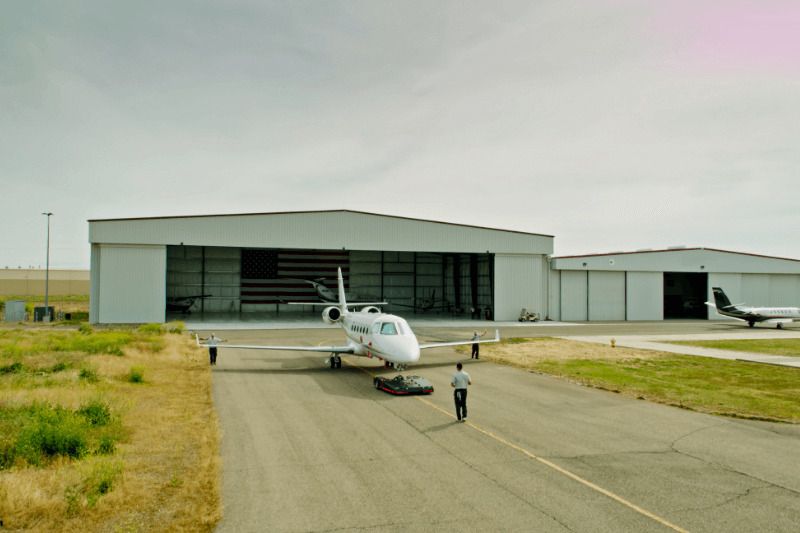
A Fixed Base Operator (FBO) is a commercial aviation business authorised by an airport to support private and general aviation aircraft with essential ground services.
The term comes from early aviation, when operators worked from a permanent “fixed base.” Today, FBOs act as the operational hub for private aviation, separate from commercial airline terminals.
An FBO is responsible for:
- Aircraft fueling and parking
- Ground handling and ramp support
- Crew facilities and flight planning
- Passenger coordination and secure access
Unlike airline terminals, FBOs are designed for on-demand departures, privacy, and operational efficiency, allowing private aircraft to operate smoothly within busy airports.
Why FBOs Exist and Why Private Aviation Depends on Them
Private aviation relies on FBOs because commercial airport terminals are not built to support the operational realities of general aviation.
Commercial airports are designed for:
- High passenger volumes
- Fixed airline schedules
- Standardised security and boarding processes
Private aviation operates very differently. Flights depart on demand, aircraft vary in size and handling needs, and passengers prioritise speed, privacy, and flexibility.
FBOs exist to bridge this gap by:
- Separating private aircraft from commercial terminal congestion
- Providing fast, secure ground access for passengers and crew
- Supporting efficient aircraft handling without airline constraints
Without FBOs, private jets would face delays, operational bottlenecks, and security challenges that undermine the core benefits of flying privately.
What Services Do FBOs Provide?

FBOs provide fueling, aircraft parking, ground handling, passenger facilities, and crew support services essential to private flight operations.
Fuel Services
FBOs supply Jet A and AVGAS fuel, often on a 24/7 basis. Fuel pricing can vary significantly between FBOs at the same airport, influenced by supplier contracts, volume discounts, and location. Many operators negotiate fuel pricing in advance to manage costs.
Ground Handling and Ramp Services
Ground handling includes marshalling aircraft, towing, securing aircraft with tie-downs, de-icing in cold conditions, and coordinating ramp safety. These services ensure aircraft are positioned correctly and ready for departure without delays.
Hangar and Aircraft Storage
FBOs offer short-term and long-term hangar space. Climate-controlled hangars protect aircraft from weather damage, particularly in extreme heat or cold. Limited hangar availability can affect scheduling and overnight planning.
Passenger Amenities
Passenger services include private lounges, arrival and departure suites, catering coordination, and ground transportation arrangements. These amenities support comfort, but also serve a practical purpose by keeping passengers close to the aircraft.
Crew Support
FBOs support pilots and crew with flight planning rooms, weather briefings, Wi-Fi, rest areas, showers, and quiet spaces. Well-supported crews operate more safely and efficiently.
How FBOs Shape the Private Jet Experience
The FBO experience determines how quickly, privately, and smoothly passengers and crew transition from ground to air.
Passengers arriving at an FBO typically drive directly to the aircraft area, clear security in minutes, and board without queues. Departures are coordinated around the aircraft’s readiness rather than a fixed terminal schedule. Arrivals are equally efficient, with luggage transferred directly to vehicles.
This frictionless flow is not accidental. It is the result of coordinated ground handling, secure access control, and experienced staff who understand private aviation operations.
Why Not All FBOs Are the Same
FBOs vary widely in service quality, infrastructure, pricing, and operational capability.
Independent vs Network FBOs
Independent FBOs may focus on personalised service at a single location, while network FBOs operate multiple locations with standardised procedures. Networks can offer consistency, while independents may provide flexibility.
Service Levels and Operational Depth
Some FBOs offer basic fueling and parking only. Others support international arrivals, customs coordination, maintenance access, and long-range flight preparation. The difference becomes critical for complex missions.
Pricing Transparency and Fee Structures
Fees can include landing charges, handling fees, ramp usage, facility access, and security services. These costs vary widely and are not always clearly advertised, making FBO selection an important cost-control decision.
How FBO Choice Affects Cost
Choosing the right FBO can materially reduce total trip cost by optimising fuel pricing, handling fees, and turnaround efficiency.
Fuel price differences alone can add or subtract thousands of dollars per flight. Handling fees and overnight charges further affect cost. Efficient FBOs also reduce delays, which lowers crew duty costs and repositioning expenses.
Experienced operators and brokers evaluate FBO pricing structures in advance rather than defaulting to the nearest facility.
How FBOs Support Safety and Compliance
FBOs play a critical role in aviation safety by maintaining secure operations and supporting regulatory compliance on the ground.
Key safety and compliance functions include:
- Controlled access to aircraft and secure ramp environments
- Coordination with airport authorities during emergencies
- Crew support with weather briefings, NOTAMs, and operational updates
- Assistance with regulatory and procedural requirements
A well-run FBO helps crews operate efficiently while reducing risk at every stage of the flight.
FBOs for Domestic vs International Private Jet Travel

International private jet travel relies heavily on FBO coordination to manage regulatory and border requirements smoothly.
For international arrivals, FBOs typically support:
- Customs and immigration clearance, often in private facilities
- Coordination of landing permits and overflight permissions
- Handling of regulatory documentation and compliance checks
These services require advance planning and experienced staff, making FBO selection especially important for international flights.
Why FBOs Are Essential to a Seamless Private Jet Experience
FBOs are not a luxury add-on to private aviation. They are the operational infrastructure that makes private flight efficient, secure, and predictable. Understanding what an FBO does, how service levels differ, and why the right choice matters allows travellers to make better decisions, manage costs, and avoid unnecessary friction on the ground.
At Zadra Aviation Charter, we see this first-hand across a wide range of aircraft and mission profiles. Whether we are operating turboprops like the Beechcraft King Air 200 GT for efficient regional travel or coordinating more complex international flights, the choice of FBO directly affects turnaround time, crew readiness, passenger comfort, and overall reliability.
FAQs
What is the purpose of the FBO?
The purpose of an FBO is to provide essential ground services that allow private and business aircraft to operate efficiently outside commercial terminals. It supports fueling, handling, passenger access, and crew operations in a secure, controlled environment.
What are the benefits of FBO?
FBOs deliver faster departures, greater privacy, and tailored services that streamline the private aviation experience. They also reduce operational friction by centralising ground handling, fueling, and passenger support in one location.
Why are FBOs important for aviation?
FBOs are critical because commercial airport infrastructure is not designed to support general aviation aircraft or flexible flight schedules. They ensure safety, regulatory compliance, and efficient ground operations for private and business aviation.
What makes a great FBO?
A great FBO combines reliable ground handling, competitive fuel pricing, strong safety standards, and responsive staff. Consistency, transparency, and the ability to support complex missions distinguish top-tier FBOs.
Does every airport have an FBO?
Not every airport has an FBO, but most airports serving general aviation operate at least one. Service quality, operating hours, and available amenities vary widely by location.
How does an FBO differ from a regular airport?
A regular airport terminal is built for high-volume airline traffic, while an FBO is designed specifically for private and business aviation. FBOs prioritise speed, discretion, and operational flexibility rather than mass passenger processing.


 Ein Schweizer Unternehmen
Claire M.
Super helpful explanation — I always saw “FBO” when booking but never really understood how important it is for the overall private jet experience. This cleared it up perfectly.
Hacklink Panel
Backlink eksikliği sitenizi geride bırakmasın. Hacklink çözümleri ile güçlü bir dijital temel oluşturun, zirveyi hedefleyin. 2126