





Yes. The 12,250-foot runway supports heavy and ultra-long-range aircraft operating long-haul missions, subject to performance validation and temperature conditions.
Privatjet-Charter von und nach dem Austin-Bergstrom International Airport AUS KAUS
Keine Kompromisse. Maximale Präzision. Wirtschaftlich effizient.

Unsere Dienstleistungen
Austin has evolved into one of the most dynamic technology and business hubs in the United States. Private jet traffic into Austin–Bergstrom International Airport increases significantly during global conferences, Formula 1 race weekends, and major music festivals.
Our aviation specialists at Zadra Aviation Charter approach Austin operations with structured planning focused on airspace sequencing, FBO capacity, runway performance margins, and event-driven demand cycles. AUS supports all categories of business jets, but timing and infrastructure coordination are critical during peak periods.
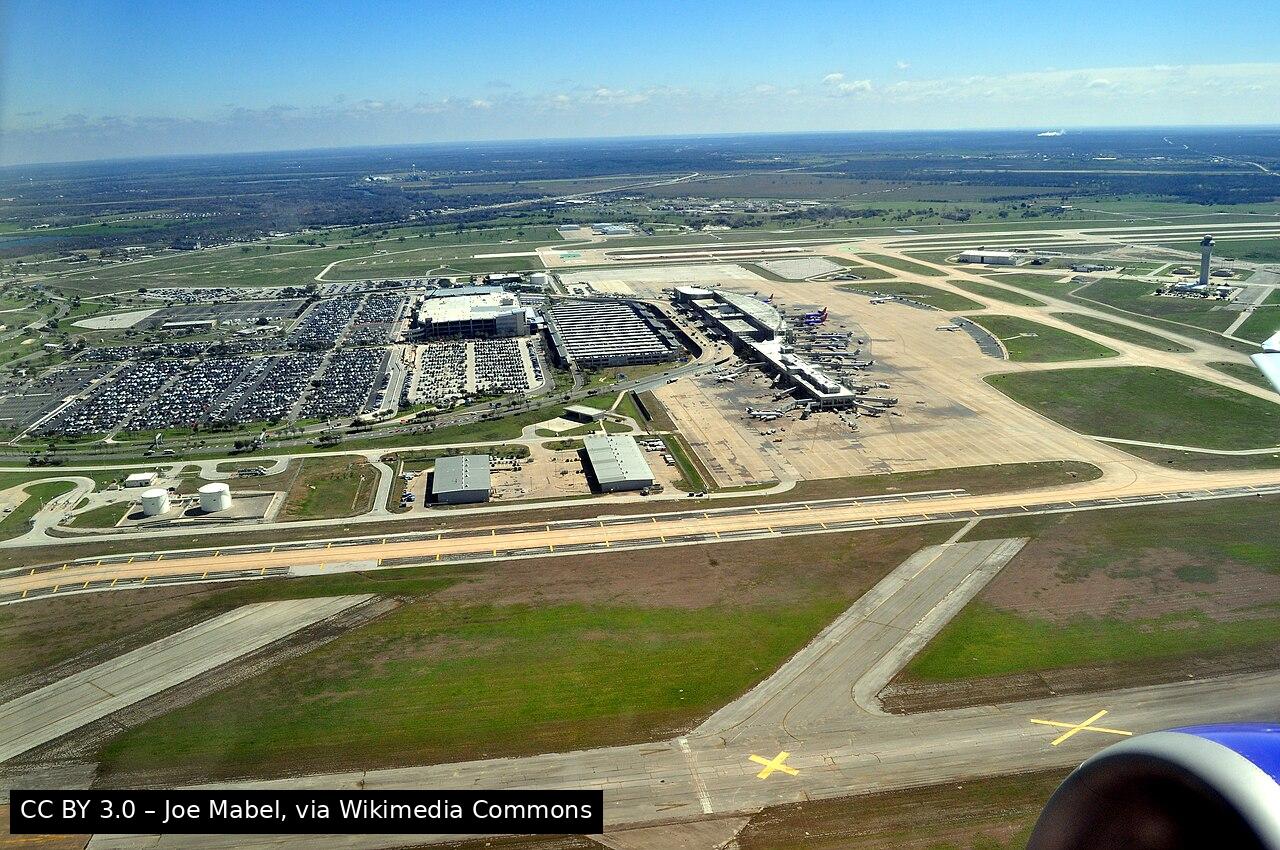
Austin–Bergstrom International Airport: Central Texas International Business Aviation Hub
Austin–Bergstrom International Airport operates under the IATA code AUS and ICAO code KAUS. Located approximately 8 miles southeast of downtown Austin, it serves as the region’s primary commercial and business aviation airport.
AUS integrates commercial airline traffic and private aviation within the same controlled airfield environment. Unlike secondary executive airports, Austin–Bergstrom supports long-haul international operations with on-site customs facilities.
Aus betrieblicher Sicht:
AUS accommodates light jets through ultra-long-range aircraft.
The airport operates within Class C controlled airspace.
Major events significantly increase business aviation movements.
High-demand periods typically include:
South by Southwest
Formula 1 United States Grand Prix
Austin City Limits Festival
University of Texas sporting events
Event-driven surges influence ramp space allocation, slot timing, and ground handling scheduling.
General facts about Austin–Bergstrom International Airport AUS KAUS
| Fakt | Details |
|---|---|
| Flughafenname | Austin–Bergstrom International Airport |
| IATA-Code | AUS |
| ICAO-Code | KAUS |
| Standort | Austin, Texas, United States |
| Distance to Downtown | Approx. 8 miles |
| Primary Runway Length | 12,250 feet (3,734 meters) |
| Höhe | 542 feet above sea level |
| Airspace | Class C |
| Zoll | On-site U.S. Customs and Border Protection |
| Geschäftsreiseverkehr | Full-service FBO infrastructure |
| Peak Demand | SXSW, Formula 1, ACL Festival |
Private Aviation at Austin–Bergstrom International Airport AUS KAUS
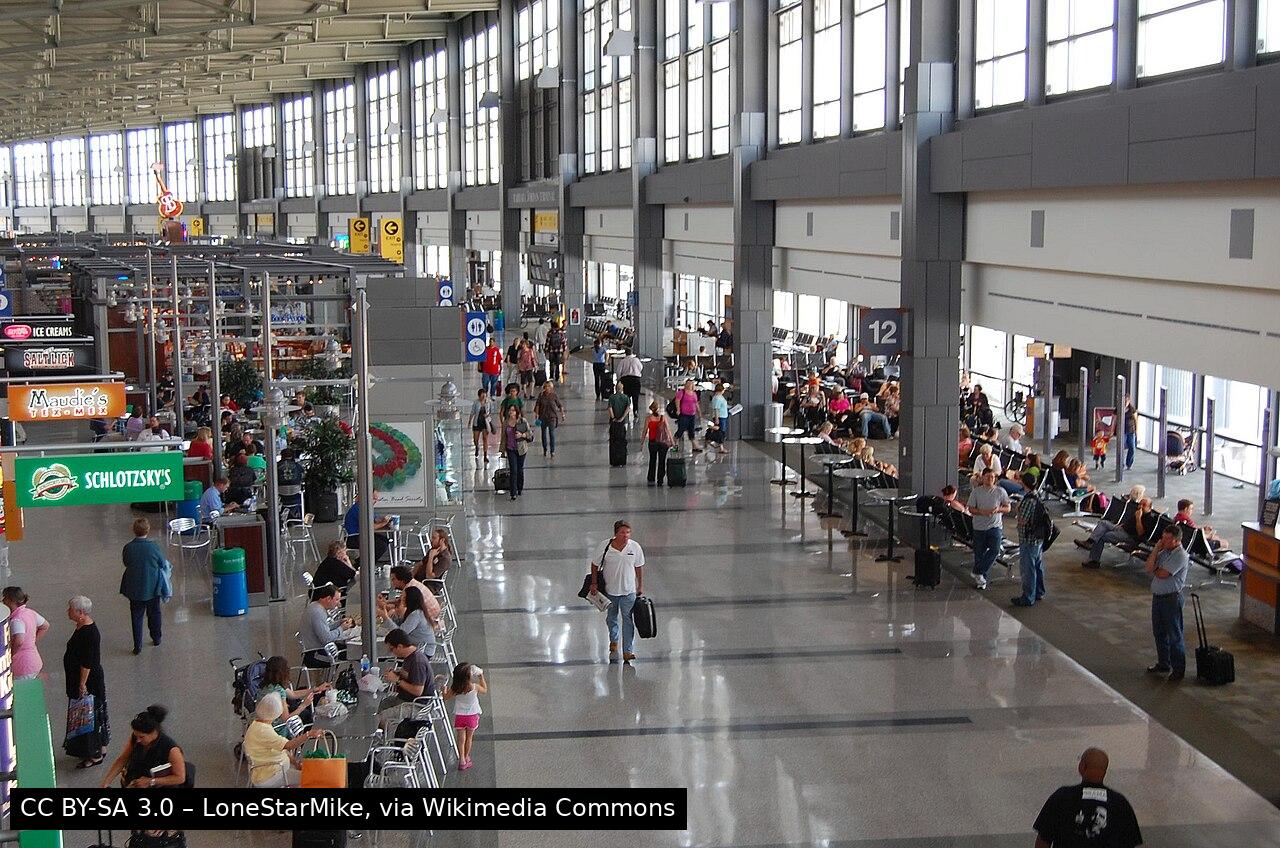
Dedicated FBO Infrastructure at Austin–Bergstrom International Airport
Business aviation at AUS is supported by an established private handling infrastructure.
ATLANTIC AVIATION
4309 EMMA BROWNING AVE.
AUSTIN TX 78719
Vereinigte Staaten
Atlantic Aviation provides full-service ground handling support for private and charter aircraft operating at Austin–Bergstrom.
Aus betrieblicher Sicht:
FBO facilities provide private passenger lounges and crew briefing rooms.
Ground handling teams coordinate aircraft marshalling, fueling, catering, baggage services, and parking allocation.
Ramp access is separated from commercial passenger terminals.
Fuel supply at AUS is robust, supporting heavy and ultra-long-range jet operations. During major events, ramp space and handling slots must be secured early due to traffic concentration.
Our aviation specialists at Zadra coordinate FBO reservations, parking allocation, and arrival sequencing to minimise ground holding during peak demand periods.

Runway Performance, Climate Impact and Long-Haul Departure Strategy
Austin–Bergstrom’s 12,250-foot runway allows long-haul operations with large cabin aircraft.
However, summer climate conditions in Texas require structured performance planning:
High ambient temperature increases density altitude.
Density altitude reduces engine performance margin.
A reduced performance margin influences the allowable departure weight.
Maximum takeoff weight calculations determine passenger load and fuel capacity for transatlantic missions.
Even with generous runway length, performance validation remains essential during peak heat hours.
From an advisory standpoint, aircraft assignment is confirmed only after reviewing certified performance data against actual forecast conditions.
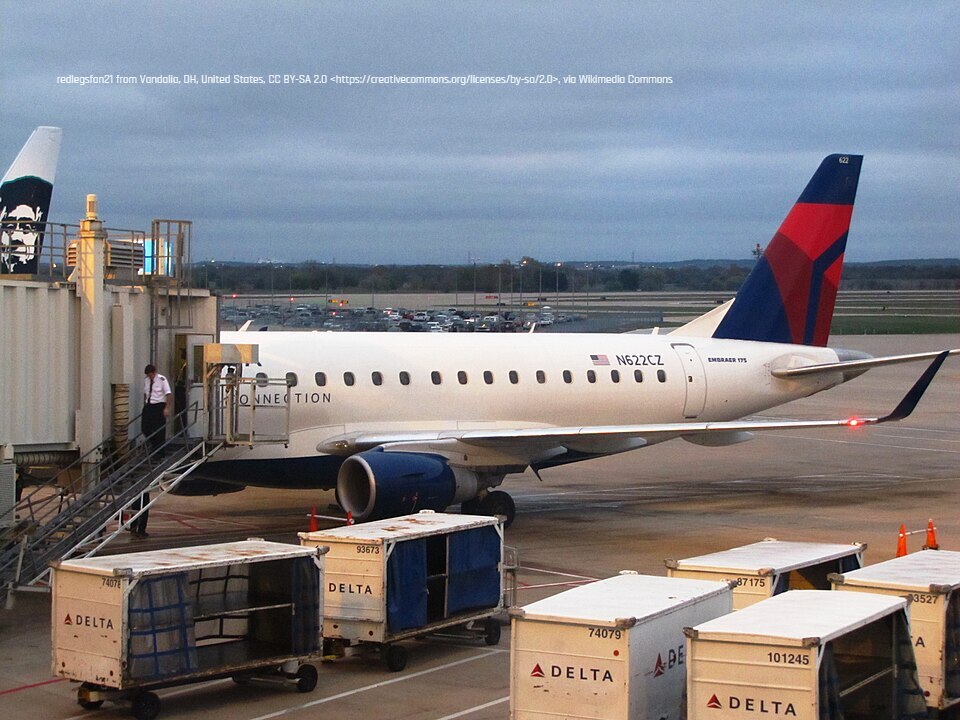
Why Charter a Private Jet to Austin
Austin’s corporate ecosystem and international event calendar generate consistent private aviation demand.
Private jet charter enhances:
Flexible scheduling during conference congestion.
Direct routing from major corporate hubs.
Discreet arrival procedures for executives and public figures.
Efficient access to Circuit of the Americas during Formula 1 events.
Modern passengers increasingly expect:
High-speed onboard satellite connectivity.
Real-time operational transparency.
Carbon emissions reporting and optional Sustainable Aviation Fuel coordination, where available.
Austin’s infrastructure supports these expectations within a structured and predictable business aviation environment.
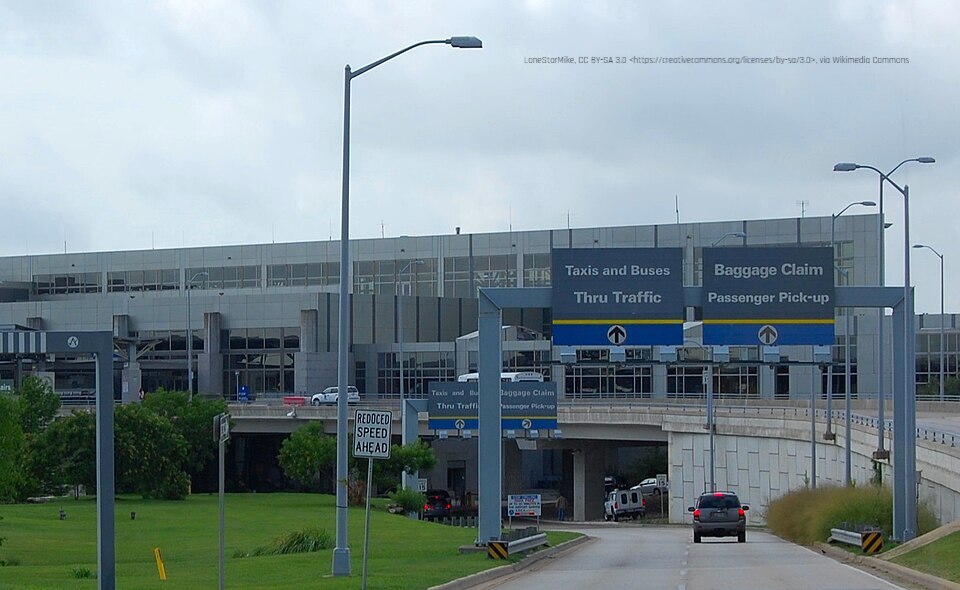
Ground Transportation and Regional Connectivity from AUS
Ground transfer coordination is essential, particularly during major events.
Private jet passengers typically utilise:
Chauffeur-driven executive vehicles.
Hotel transfers to downtown Austin.
Direct transport to Circuit of the Americas.
Helicopter transfers are where applicable.
Event-driven road congestion can significantly affect travel time between AUS and downtown or race venues. Coordinated scheduling reduces exposure to delays.
Our aviation specialists at Zadra Aviation Charter align aircraft arrival timing with ground transport dispatch to maintain operational continuity.
Private Aviation at Austin–Bergstrom International Airport AUS KAUS
Yes. Business aviation traffic increases significantly during SXSW, Formula 1, and other major gatherings. Early coordination improves parking and handling certainty.
Yes. On-site U.S. Customs and Border Protection facilities support international arrivals and departures.
Parking is generally available but must be secured early during peak event windows.
For major events, arranging aircraft several weeks in advance improves availability, ramp access, and scheduling flexibility.


Von unseren Kunden geschätzt
4.9 / 5
Basierend auf 1.328 verifizierten Bewertungen
Genf 
Zug
 Ein Schweizer Unternehmen
 Nach oben