





Yes. It is the country’s primary international airport.
Private Jet Flights to Brussels Airport
Zero compromise. Absolute precision. Cost effective.

our services
Flying privately to Brussels Airport (BRU) is less about reaching a destination and more about entering a decision-making centre. Brussels is not just another European capital — it is a place where schedules are often tied to meetings, negotiations, and time-sensitive movements.
Because of this, private aviation into Brussels is driven by precision. The airport itself is highly capable, but access depends on how well the flight is integrated into a busy and structured system.
At Zadra Aviation Charter, we approach flights to Brussels by focusing on timing first. Aircraft, routing, and ground coordination are built around fixed schedules, ensuring that arrival aligns exactly with the purpose of the trip.

One Airport, Multiple Roles
Brussels Airport (EBBR / BRU) operates as Belgium’s primary gateway and handles a wide range of aviation activity within a single system.
What makes it different is not just its size, but its function. The airport simultaneously supports:
- European political traffic
- international business travel
- cargo and logistics operations
- private aviation movements
This combination creates a layered environment where private jet flights are part of a broader network rather than operating in isolation.
General facts about Brussels Airport
| Fact | Details |
|---|---|
| Airport Name | Brussels Airport |
| ICAO Code | EBBR |
| IATA Code | BRU |
| Location | Zaventem, Belgium |
| Distance to Centre | Around 12 km |
| Elevation | Approx. 56 m |
| Runways | 3 |
| Longest Runway | Approx. 3,600+ m |
| Airport Role | International hub |
| Traffic Type | Passenger, cargo, private aviation |
Private Aviation at Brussels Airport
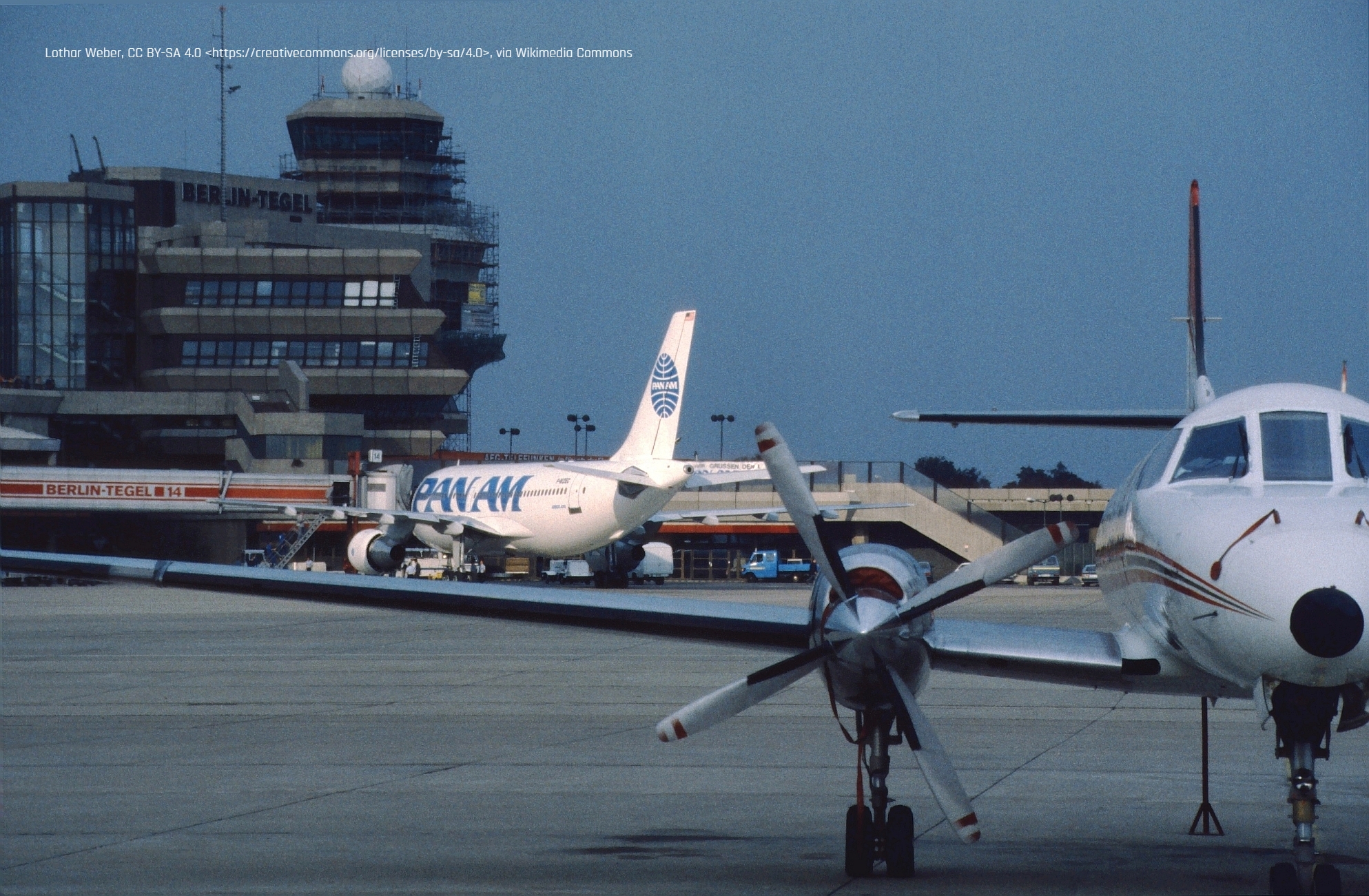
Dedicated FBOs
Private jet operations at Brussels are shaped by precision, coordination, and timing. As one of Europe’s key political and commercial gateways, the airport handles a constant flow of diplomatic, corporate, and intercontinental traffic — yet private aviation movements remain highly structured when planned correctly.
Flights into Brussels are commonly associated with:
- European Union and NATO activity
- International organisations and diplomatic travel
- Cross-border corporate operations
- Executive meetings, summits, and high-level events
- Long-range intercontinental connections
Regular routes link Brussels with major business centres such as London, Geneva, Frankfurt, Paris, and New York, reinforcing the airport’s role as a strategic hub for international decision-making and commerce.
Operationally, every movement is managed through carefully coordinated procedures that typically include:
- Slot allocation and scheduling coordination
- Pre-arranged ground handling services
- Defined arrival and departure windows
- Advance operational planning and oversight
Despite the scale of Brussels Airport, private aviation passengers benefit from dedicated handling processes designed to minimise exposure to commercial terminal traffic. The result is a more controlled, discreet, and efficient transition from aircraft to onward transport.
Ground handling support is provided by:
AVIAVIP
RINGLAAN 36C
BRUSSELS NATIONAL AIRPORT
B-1930 ZAVENTEM
Belgium

Aircraft Capability and Infrastructure
Brussels Airport is fully capable of handling all types of private aircraft without restriction.
This includes:
- short-range jets for European travel
- midsize aircraft for regional connections
- large-cabin jets for long-distance routes
- ultra-long-range aircraft for global operations
Operational planning focuses less on physical limitations and more on how the flight fits into the airport’s traffic flow.
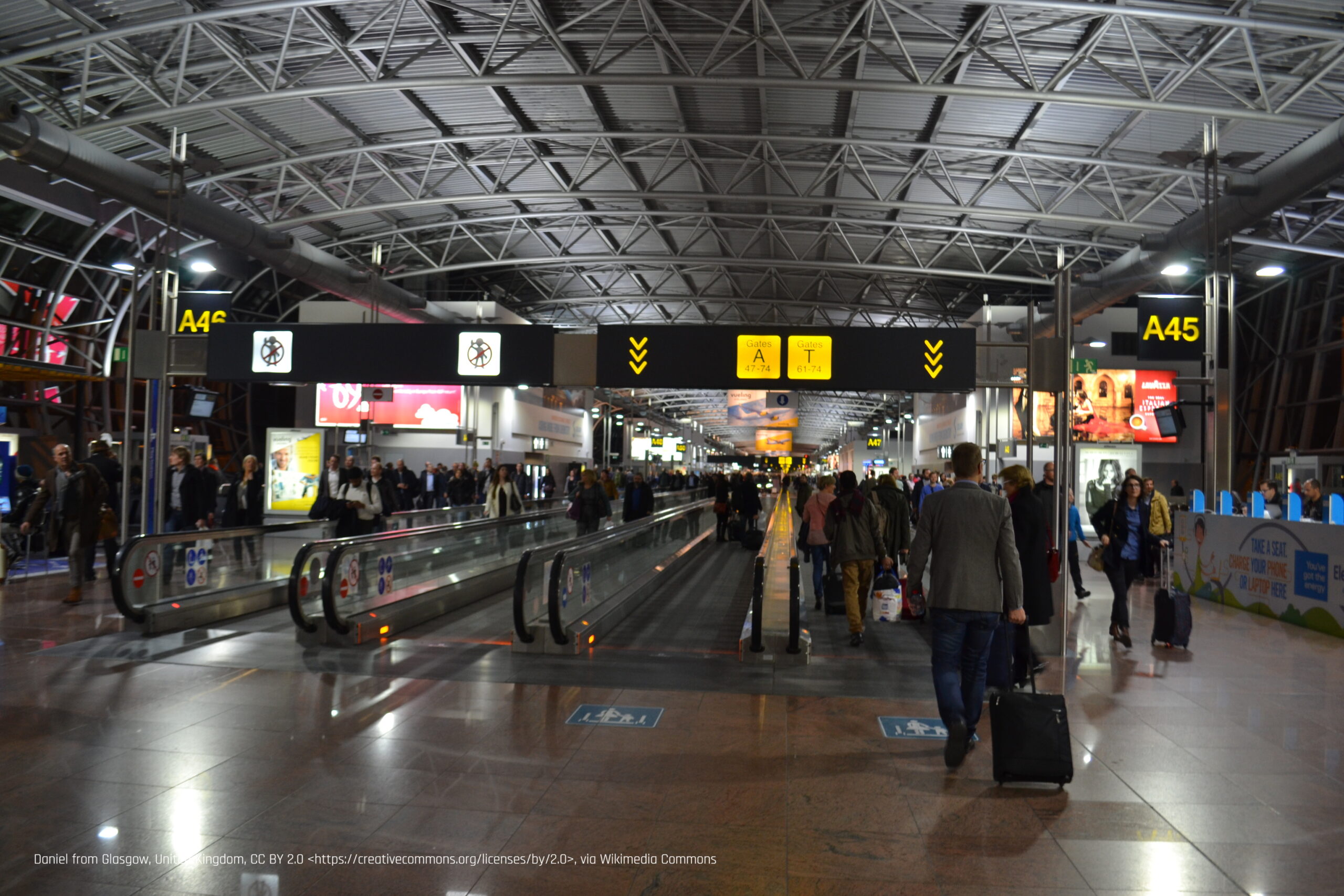
Why Private Aviation to Brussels
Brussels is a city where timing is often more important than distance. Meetings, negotiations, and institutional schedules require precise coordination.
Private aviation becomes relevant when travellers need:
- direct routing between major cities
- flexibility around fixed schedules
- efficient entry into a high-traffic airport
- controlled and discreet travel conditions
In this context, private jet travel is about maintaining control over time rather than simply reducing travel duration.

Ground Access and Mobility
The airport’s proximity to the city allows quick transfers, supported by both road and rail infrastructure.
Typical travel times include:
- Central Brussels: around 20 minutes
- European district: around 25 minutes
- Antwerp: around 40 minutes
Rail connections from the airport also provide direct access to other Belgian cities.
Private Aviation at Brussels Airport
Yes, but flights must be coordinated in advance due to traffic levels.
Timing and slot coordination within a busy airport environment.
Approximately 20 minutes by car under normal conditions.
Business travellers, government officials, and international organisations.
Trusted by our clients
4.9 / 5
Based on 1,328 verified reviews
Geneva 
ZUG
 A Swiss-Based Company
 Go Top