





Yes. Private jets can operate at LaGuardia Airport (LGA). However, flights must obtain FAA arrival and departure slots due to the airport’s high traffic levels.
Private Jet Charter to and from LaGuardia Airport
Zero compromise. Absolute precision. Cost effective.

our services
Private jet charter to LaGuardia Airport (LGA) offers one of the most direct ways to reach Manhattan and the business districts of New York City. Located in the borough of Queens along Flushing Bay, LaGuardia serves as one of the main aviation gateways for domestic travel within the United States and plays an important role in the New York metropolitan airspace system.
Private aviation flights at LaGuardia operate alongside heavy commercial airline traffic, which means charter operations require careful coordination with airport slot systems and air traffic control procedures. Despite these operational constraints, LaGuardia remains an attractive airport for private jet travellers whose priority is fast access to Manhattan rather than long-haul international connectivity.
Our aviation specialists at Zadra Aviation Charter coordinate private jet flights to and from LaGuardia by aligning aircraft availability, FAA slot reservations, and ground handling services. Charter clients benefit from dedicated Fixed Base Operator terminals that allow passengers to bypass the commercial terminals and board directly from private aviation facilities.

LaGuardia Airport Overview
LaGuardia Airport (LGA / KLGA) serves New York City and operates under the authority of the Port Authority of New York and New Jersey, the organisation responsible for managing the region’s major transportation infrastructure.
The airport sits approximately four miles from Midtown Manhattan, making it the closest major airport to central New York. This proximity makes LaGuardia particularly attractive for business travellers visiting financial institutions, corporate headquarters, and technology firms located throughout Manhattan.
LaGuardia primarily handles domestic airline traffic, but the airport also supports business aviation operations through specialised handling facilities. Charter flights share the same controlled airspace as scheduled airlines, which makes LaGuardia one of the more operationally complex airports for private aviation in the United States.
From a charter planning perspective, flights to LaGuardia require early slot coordination and careful scheduling, particularly during weekday peak hours when airline traffic is highest.
General facts about LaGuardia Airport
| Fact | Details |
|---|---|
| Airport Name | LaGuardia Airport |
| ICAO Code | KLGA |
| IATA Code | LGA |
| Location | Queens, New York City, United States |
| Distance to Midtown Manhattan | Approximately 4 miles / 6 km |
| Airport Operator | Port Authority of New York and New Jersey |
| Runways | Two intersecting runways |
| Runway Length | Approximately 7,000 ft / 2,134 m |
| Elevation | 21 ft above sea level |
| Primary Traffic | Domestic airline and business aviation operations |
Private Aviation at LaGuardia Airport
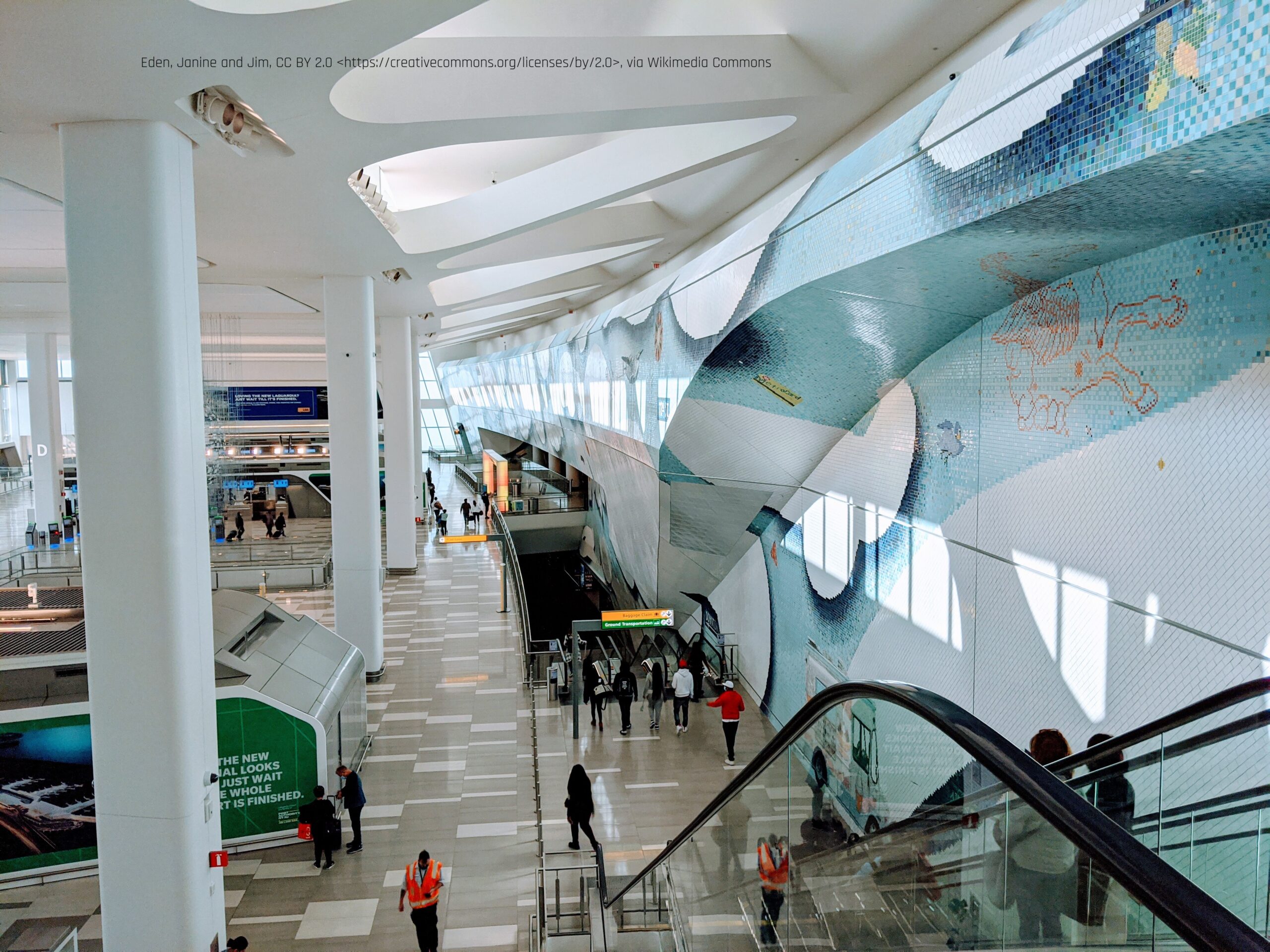
Dedicated FBOs
Private jet passengers at LaGuardia depart through dedicated Fixed Base Operator (FBO) facilities that handle business aviation traffic separately from commercial airline terminals.
The primary FBO operators serving private aviation at LaGuardia include:
- Modern Aviation
- Sheltair Aviation
FBO operators manage the full range of ground handling services required for charter operations. These services support both passengers and flight crews while ensuring the aircraft is prepared for departure.
Typical services at LaGuardia FBO facilities include:
- private passenger lounges
- aircraft fueling coordination
- ground handling and ramp services
- flight planning support
- catering logistics and cabin provisioning
- crew facilities and operational offices
Passengers typically arrive directly at the FBO terminal by private vehicle. After a brief identification and security verification process, passengers are escorted across the ramp directly to the aircraft.
This streamlined boarding process allows private jet travellers to avoid the commercial terminal environment entirely.

Runway Capabilities
LaGuardia Airport operates two intersecting runways that extend into Flushing Bay. Each runway measures approximately 7,000 feet in length, which supports a broad range of aircraft types used in business aviation.
Light jets commonly operate regional routes connecting New York with cities such as Boston, Washington D.C., and Toronto. These aircraft provide efficient performance on shorter sectors while accommodating small passenger groups.
Midsize and super-midsize business jets frequently operate flights between New York and major U.S. cities such as Chicago, Dallas, and Miami. These aircraft offer larger cabins, increased baggage capacity, and longer range compared with light jet models.
Large business jets can also operate from LaGuardia for transcontinental routes such as New York to Los Angeles or San Francisco. However, aircraft performance calculations must account for runway length, passenger load, fuel requirements, and prevailing weather conditions.
Another important operational factor is the airport’s perimeter rule, which restricts most commercial airline flights to routes within roughly 1,500 miles of New York. Although charter flights have more flexibility, this rule still influences the overall traffic structure at the airport.
Our aviation specialists at Zadra evaluate aircraft performance, runway conditions, and route distance before confirming aircraft selection for private jet flights into LaGuardia.

Why Charter a Private Jet to LaGuardia
The primary advantage of LaGuardia Airport is its proximity to Manhattan.
For many travellers, ground transportation time plays a larger role in total journey duration than the flight itself. Because LaGuardia sits significantly closer to Midtown Manhattan than JFK or Newark, passengers can often reach their final destination faster.
This advantage makes LaGuardia particularly attractive for:
- corporate executives attending meetings in Manhattan
- financial professionals travelling between major U.S. business hubs
- short-notice domestic charter flights within the northeastern United States
From a real-world charter perspective, flights between cities such as Boston, Washington D.C., and New York often use LaGuardia due to its convenient location.
However, because slot availability can be limited, charter flights are often scheduled in coordination with airport traffic patterns to ensure efficient arrival and departure times.
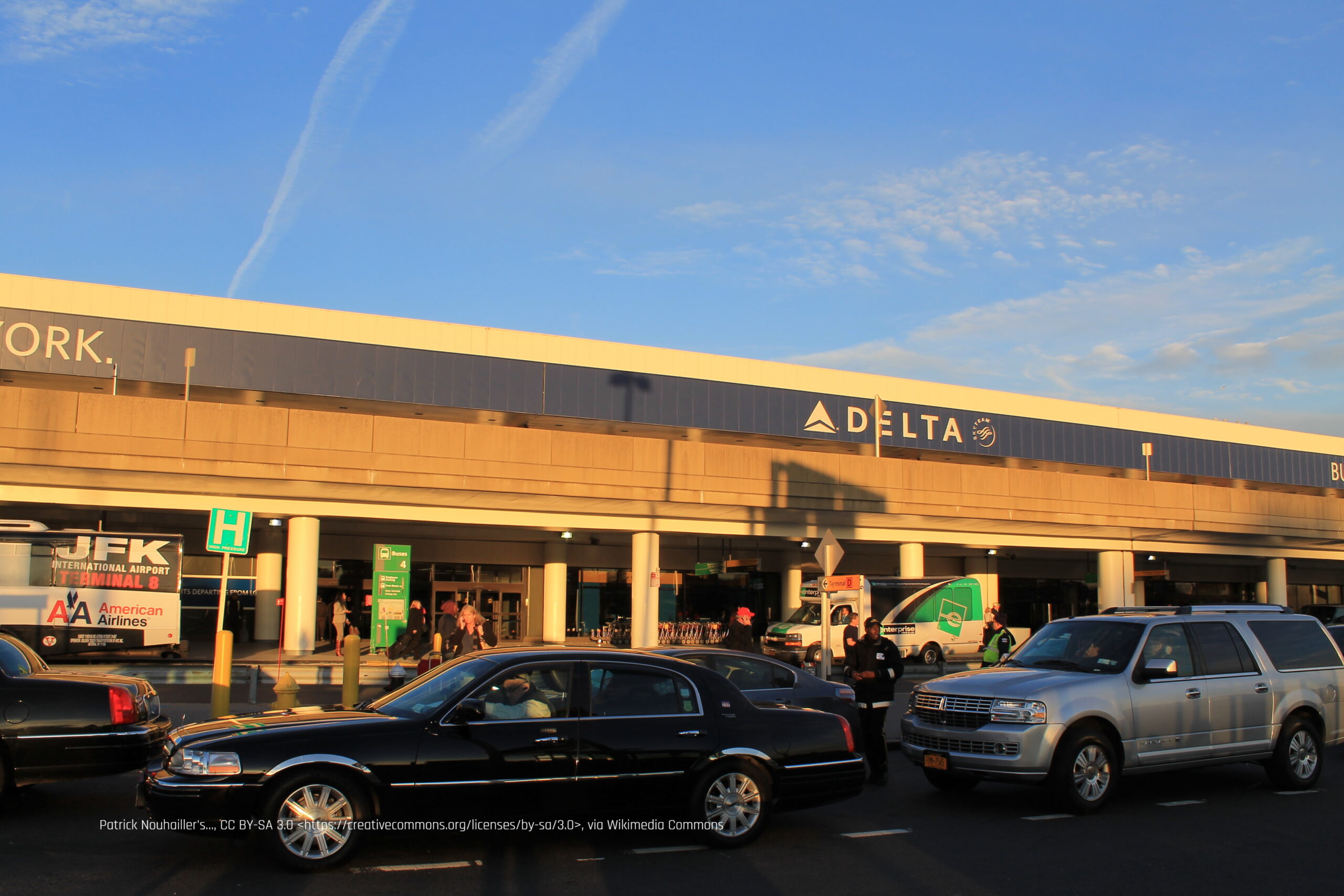
Ground Transportation
Ground transportation from LaGuardia Airport provides direct access to Manhattan and the surrounding areas of New York City.
Typical transfer times include:
- Midtown Manhattan: approximately 20 to 30 minutes
- Upper East Side: approximately 20 minutes
- Lower Manhattan / Financial District: approximately 30 to 40 minutes
Travel times vary depending on traffic conditions within the city.
Many private jet passengers arrange chauffeured car services through the FBO. Vehicles wait near the ramp area so passengers can depart immediately after landing.
Helicopter transfers may also connect LaGuardia with Manhattan heliports, providing a faster option during peak traffic periods.
Our aviation specialists at Zadra frequently coordinate ground transportation alongside the charter flight to ensure a seamless arrival experience.
Private Aviation at LaGuardia Airport
Yes. LaGuardia is located about four miles from Midtown Manhattan, making it the closest major airport to central New York City.
The airport’s runways measure approximately 7,000 feet, which supports most business jet categories. Aircraft performance calculations may limit very large or long-range aircraft depending on route distance and payload.
Private aviation services at LaGuardia are provided by Modern Aviation and Sheltair Aviation, both of which operate dedicated business aviation terminals.
Yes. LaGuardia operates under a slot coordination system managed by the Federal Aviation Administration. Charter flights must secure arrival and departure slots before operating.
Trusted by our clients
4.9 / 5
Based on 1,328 verified reviews
Geneva 
ZUG
 A Swiss-Based Company
 Go Top