




Yes. Canada Border Services Agency clearance is conducted within dedicated business aviation facilities.
Private Jet Charter to and from Montreal Pierre Elliott Trudeau International Airport YUL CYUL
Zero compromise. Absolute precision. Cost effective.

our services
Private Jet Charter to and from Montreal Pierre Elliott Trudeau International Airport YUL CYUL
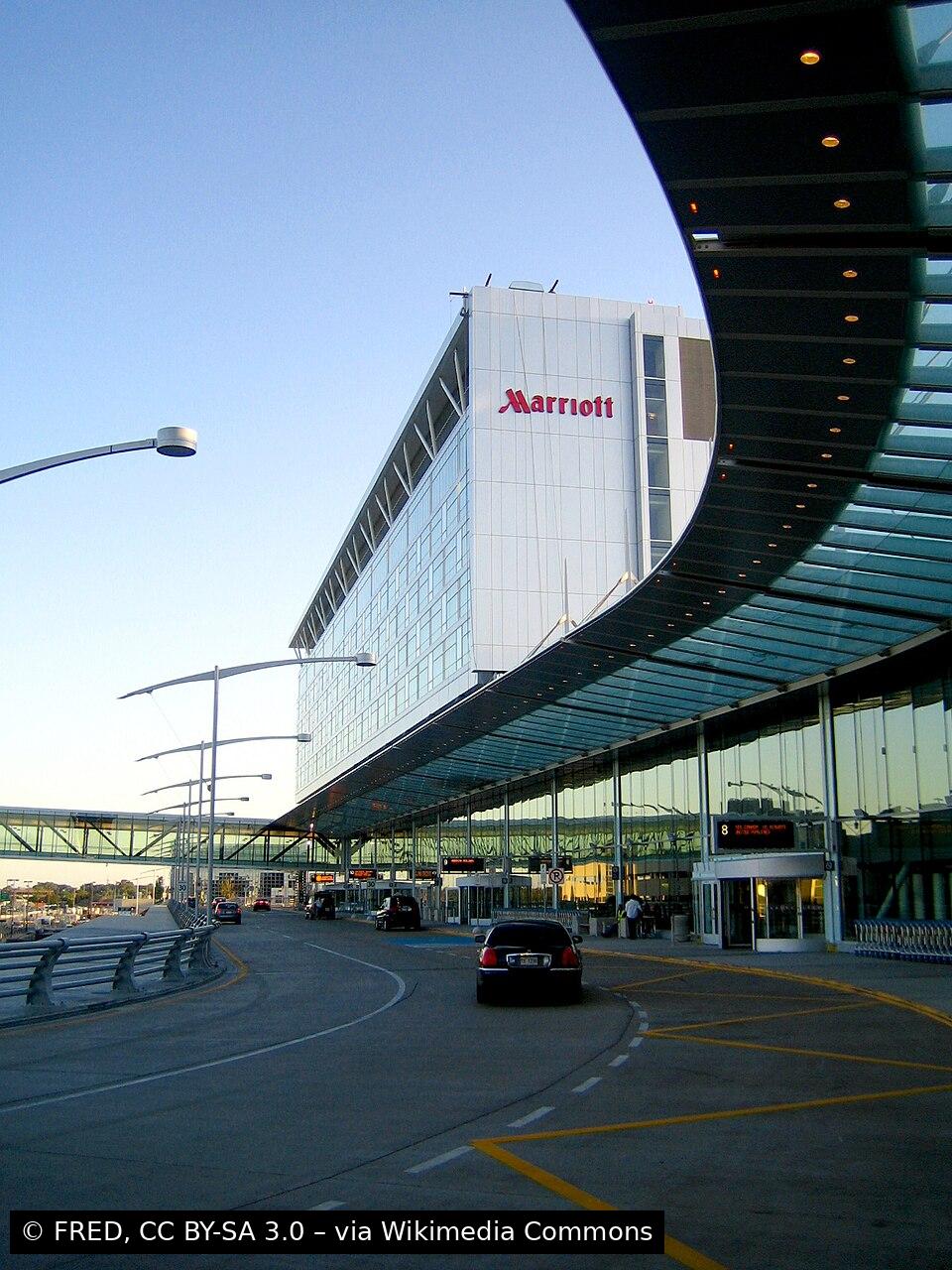
Montreal Pierre Elliott Trudeau International Airport is the primary international entry point to Quebec and one of Eastern Canada’s most important business aviation hubs.
For private jet operations, Montreal combines long-haul runway capability, full Canada Border Services Agency processing, and structured North American airspace integration. It supports everything from short regional hops to ultra-long-range intercontinental missions.
Our aviation specialists at Zadra Aviation Charter coordinate Montreal operations with emphasis on CBSA compliance, winter performance planning, transatlantic routing efficiency, and parking strategy during peak demand periods.
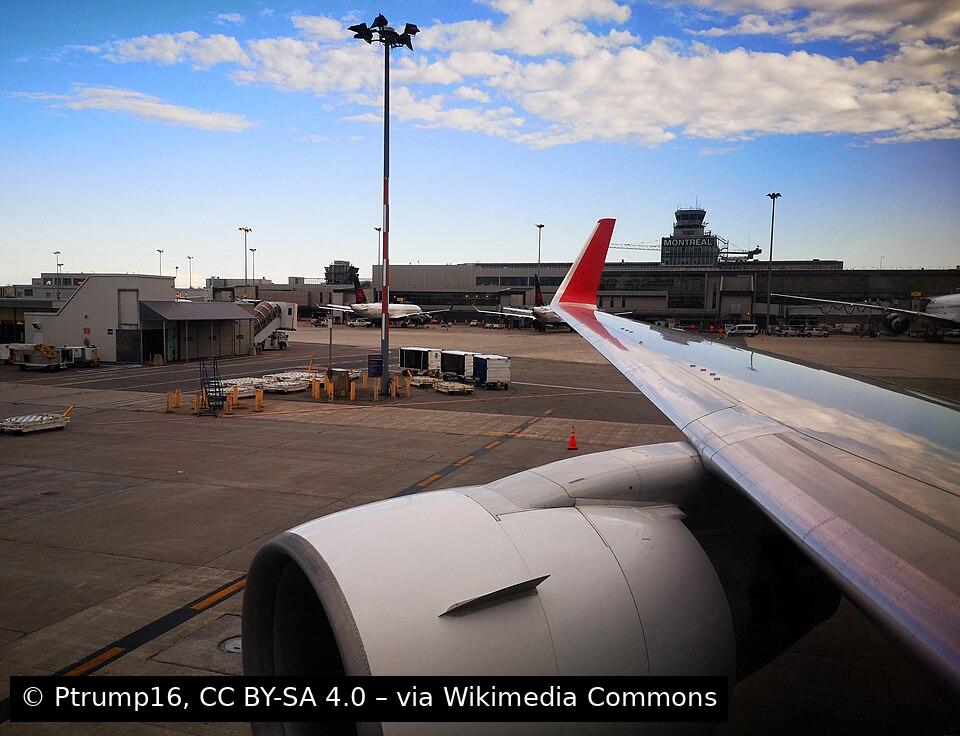
Airport Overview: International Scale with Seasonal Complexity
Montreal Trudeau Airport is located approximately 20 kilometres from downtown Montreal. It serves both commercial airline traffic and business aviation through dedicated executive facilities.
Operational characteristics include:
- CBSA clearance is required for all international arrivals
- Advance passenger information submission
- Structured arrival procedures for foreign-registered aircraft
- Winter weather impact on ground handling operations
Unlike smaller Canadian airports, Montreal offers full intercontinental infrastructure. It is a reliable entry point for direct connections to Europe and the Middle East.
The primary operational challenges are weather-driven in winter and traffic-driven during major summer events.
General facts about Montreal Pierre Elliott Trudeau International Airport YUL CYUL
| Fact | Details |
|---|---|
| Airport Name | Montreal Pierre Elliott Trudeau International Airport |
| IATA Code | YUL |
| ICAO Code | CYUL |
| Location | Approx. 20 km from downtown Montreal |
| Airport Type | International Commercial and Business Aviation |
| Customs Authority | Canada Border Services Agency |
| Runway Capability | Long-haul intercontinental |
| Peak Periods | Summer festivals and the winter season |
Private Aviation at Montreal Pierre Elliott Trudeau International Airport YUL CYUL
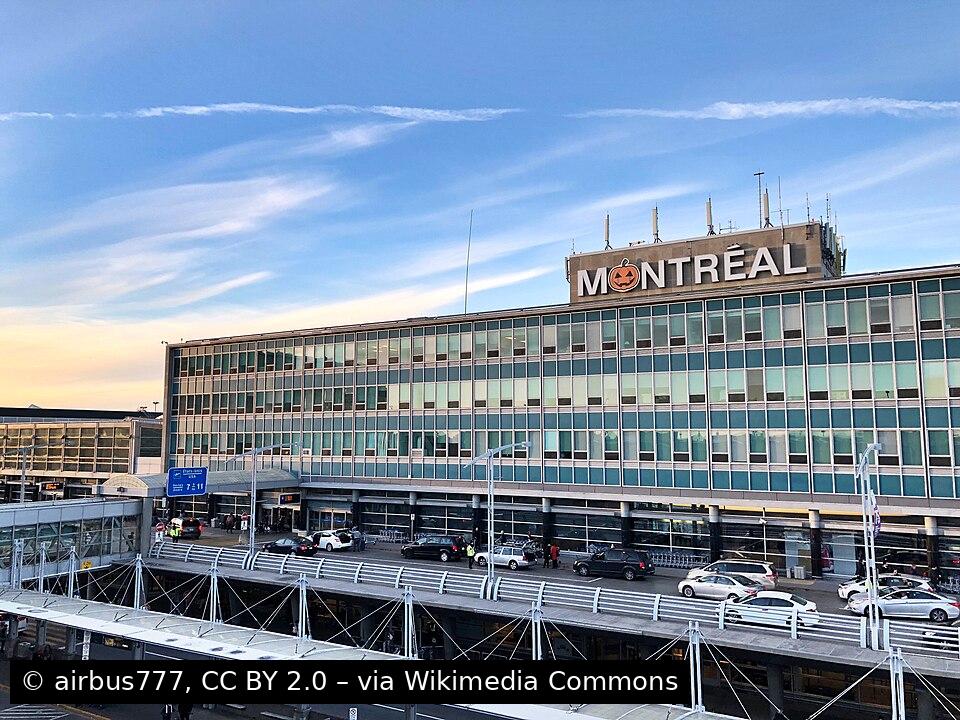
Dedicated FBO and Executive Handling
Private jet passengers operate through dedicated executive handling facilities separate from the commercial passenger terminal.
Primary FBO:
SIGNATURE AVIATION
9025 Ryan Avenue
Dorval QC H9P 1A2
Canada
Signature Aviation coordinates:
- Private passenger lounges
- CBSA clearance processing within executive facilities
- Ramp supervision
- Fuel uplift sequencing
- Crew services and logistics
In Canada, customs compliance is structured and procedural. Passenger manifests must be submitted accurately in advance, and last-minute changes require immediate reporting.
During high-traffic periods such as the Formula 1 Grand Prix or major summer festivals, apron congestion increases. Extended parking stays may require early reservation to avoid repositioning.
Our aviation specialists integrate FBO confirmation, customs clearance timing, and parking allocation into the initial operational plan rather than addressing them post-booking.
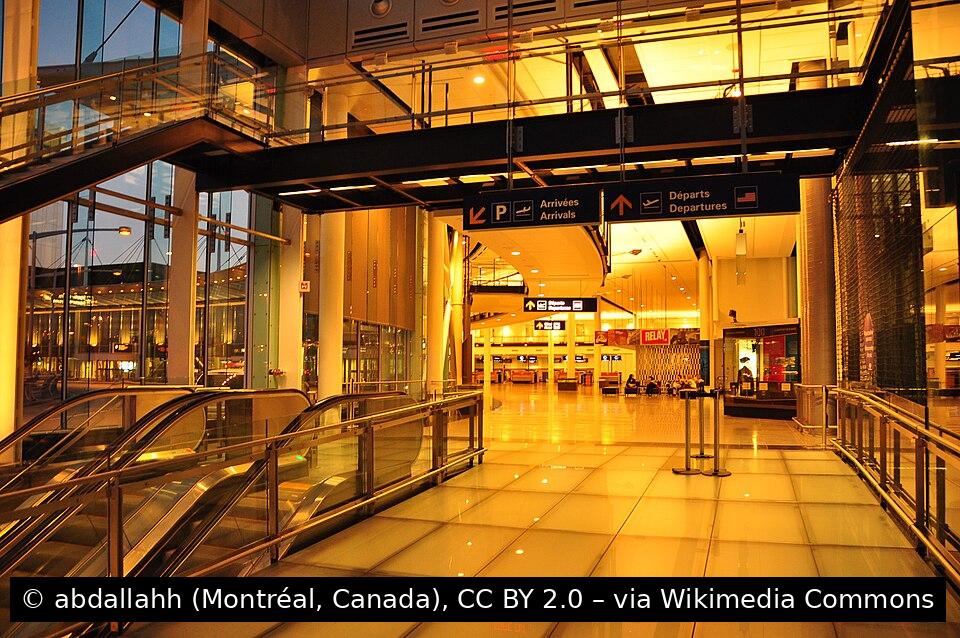
Runway Capability and Transatlantic Operations
Montreal Trudeau operates long runways capable of supporting ultra-long-range aircraft at high takeoff weights.
For transatlantic departures, planning must account for:
- North Atlantic Track routing
- Prevailing wind systems
- Payload distribution
- Regulatory reserve fuel requirements
The airport’s infrastructure allows full fuel loads for long-haul flights under standard conditions.
The principal constraints are environmental rather than structural. Weather systems, snowfall, and airspace sequencing typically drive operational adjustments.
Why Charter to Montreal
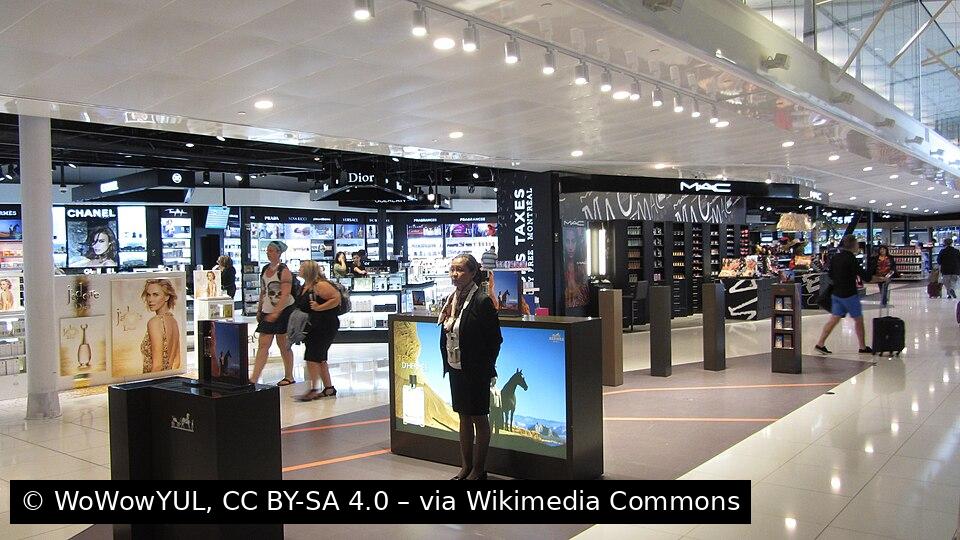
Montreal is a global centre for aerospace, finance, technology, and international events. It also functions as a bilingual bridge between North America and Europe.
For corporate travellers, proximity to downtown ensures efficient access to commercial districts.
For leisure travellers, Montreal serves as a gateway to:
- Quebec’s ski regions
- Laurentian countryside estates
- International cultural festivals
The airport’s transatlantic position also makes it a strategic point for certain North Atlantic routing scenarios.
Ground Transportation and Regional Connectivity
Transfer time from Montreal Trudeau Airport to downtown typically ranges between 20 and 30 minutes, depending on traffic.
Ground options include:
- Executive chauffeur vehicles
- Winter-capable SUVs
- Cross-border transfers to the United States
- Helicopter connections to regional destinations
Winter road conditions require vehicle planning suited to snow and ice. During major events, central Montreal congestion can influence arrival timing.
Our aviation specialists coordinate ground logistics alongside customs clearance and slot timing to ensure structured arrival flow.
Private Aviation at Montreal Pierre Elliott Trudeau International Airport YUL CYUL
Yes. Runway infrastructure supports heavy transatlantic departures under standard performance planning.
Winter conditions increase de-icing requirements and may extend ground time, although cold temperatures generally improve aircraft performance.
Parking is available but may become constrained during high-demand events. Early coordination improves flexibility.
Planning is recommended during peak summer festivals and the winter season to ensure aircraft availability and parking confirmation.


Trusted by our clients
4.9 / 5
Based on 1,328 verified reviews
Geneva 
ZUG
 A Swiss-Based Company
 Go Top